
Battle Studies
Come & Take It | Discover Texas History
Di Battle of Gonzales, occurring on October 2, 1835, marks di beginning of di Texas Revolution and di first open conflict between Texian settlers and Mexican authorities. Known famously by di provocative phrase "Come and Take It," dis battle na significant not merely for its military importance, but for its symbolic assertion of resistance and defiance against di Mexican government, setting di stage for di broader struggle for Texan independence.
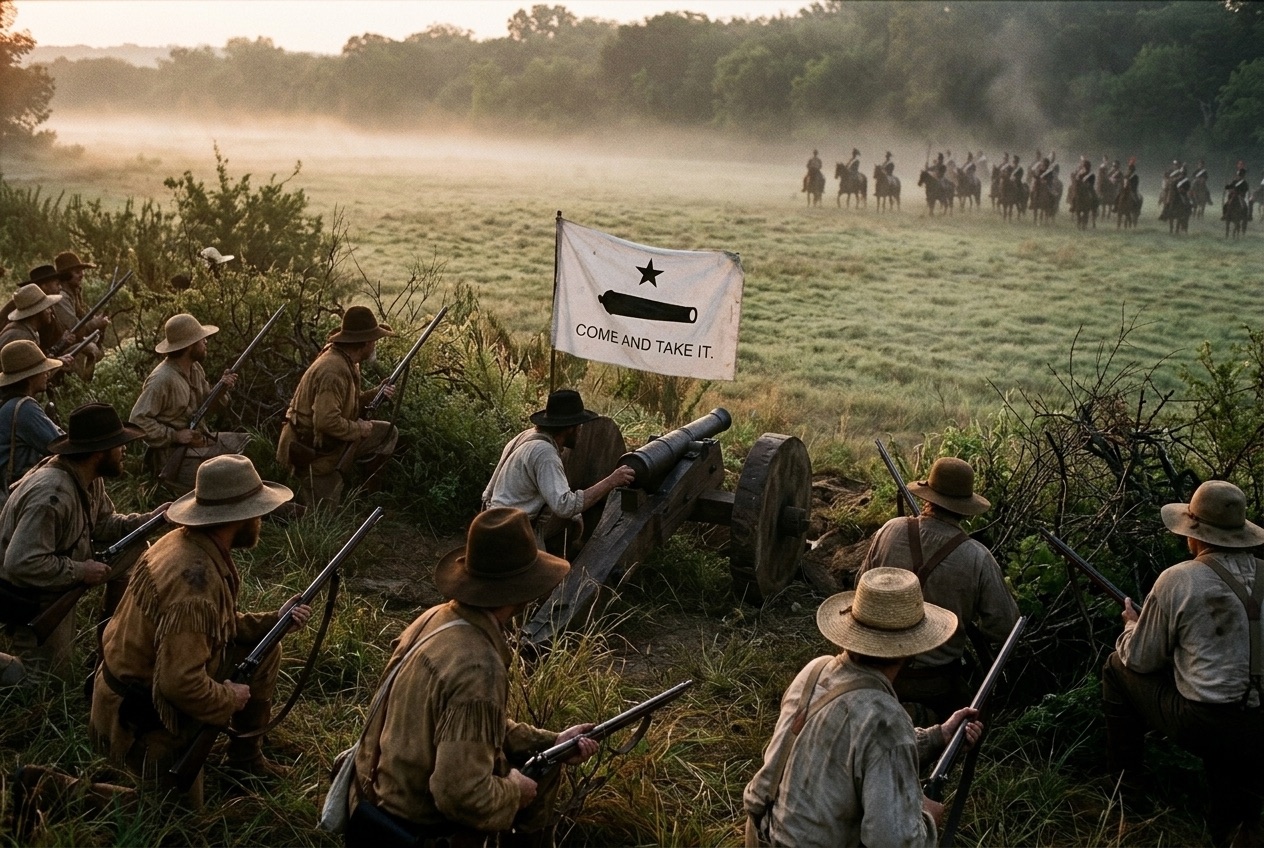
Texas Legacy in Lights presents di Come and Take It moment through a dramatized visual scene, connecting di cannon, di flag, and di Gonzales standoff to di public experience.
COME AND TAKE IT QUICK OVERVIEW
Di Battle of Gonzales, occurring on October 2, 1835, marks di beginning of di Texas Revolution and di first open conflict between Texian settlers and Mexican authorities. Known famously by di provocative phrase "Come and Take It," dis battle na significant not merely for its military importance, but for its symbolic assertion of resistance and defiance against di Mexican government, setting di stage for di broader struggle for Texan independence.
HISTORICAL CONTEXT
By di early 1830s, Texas was part of di Mexican state of Coahuila y Tejas. Di Mexican government had previously encouraged immigration from di United States, but growing tensions began to arise due to cultural differences, disputes over slavery (abolished in Mexico but practiced by American settlers), and increasingly authoritarian measures from Mexico City. Di Law of April 6, 1830, aimed at curbing U.S. immigration and establishing customs duties, was especially unpopular among Texians.
Dis growing unrest led to increased militarization in di region, and in 1831, Mexican authorities provided di settlers of Gonzales with a small bronze cannon to help defend themselves against frequent Native American attacks. Dis cannon, though largely symbolic and militarily insignificant, would become a central icon of di struggle dat ensued.
HOW DI CONFLICT TAKE START
In September 1835, as relations deteriorated further, Mexican President Antonio López de Santa Anna dispatched orders to local military commanders to retrieve weapons from various Texian settlements to prevent potential uprisings. Di cannon at Gonzales was specifically targeted for retrieval.
On September 10, 1835, tensions in Gonzales escalated when Jesse McCoy, di town sheriff, was attacked by a Mexican soldier, further fueling anti-Mexican sentiments. Colonel Domingo de Ugartechea, stationed in San Antonio de Béxar, ordered Lieutenant Francisco de Castañeda to retrieve di cannon. On September 25, 1835, four soldiers under Corporal De León were sent to Gonzales to demand di cannon, but di settlers refused to surrender it, triggering a standoff.
DI GONZALES MILITIA
Di settlers of Gonzales, deeply protective of their rights and properties, had formed a militia led by Captain Albert Martin. Di militia was well-prepared for a possible confrontation, having anticipated Mexican demands for their cannon. Di initial refusal was tactfully communicated by di Alcalde (mayor) of Gonzales, Andrew Ponton, who used diplomatic language to stall and delay any immediate conflict. Di town's militia used di additional time gained to send messages to nearby settlements, requesting support and reinforcements.
REINFORCEMENTS ARRIVE
Messengers quickly spread word of Gonzales' predicament to neighboring communities such as Mina (present-day Bastrop), La Grange, and other surrounding settlements. Within days, volunteers from across di region poured into Gonzales, swelling di militia ranks. Notable among these arrivals were John Henry Moore, Robert M. Coleman, and Edward Burleson, whose presence significantly bolstered di morale and resolve of di settlers.
PREPARATION FOR BATTLE
As di Mexican force led by Lieutenant Castañeda neared Gonzales, residents hid di cannon in George W. Davis’s peach orchard to prevent its seizure. Di settlers then dug up di cannon, mounted it onto a wagon, and hastily crafted a white battle flag bearing a black star, a representation of di cannon, and di defiant words "Come and Take It." According to local lore, Sarah DeWitt and her daughter, Evaline, created di flag from Naomi DeWitt’s wedding dress, making it an emotional symbol of resistance.
THE BATTLE BEGINS
In di early hours of October 2, 1835, approximately 150 Texian settlers, commanded by Colonel John Henry Moore, moved into position near di Mexican camp located at Ezekiel Williams' farm, approximately seven miles upriver from Gonzales. Di Mexican troops, numbering around 100 soldiers under Castañeda, were largely unaware of di growing force they faced.
Initially, a dense fog blanketed di battlefield, causing confusion on both sides. A brief exchange of gunfire ensued, marking di first shots of what would become di Texas Revolution. During dis initial skirmish, one Mexican soldier was slightly wounded, and di Texian side saw Richard Andrews injured due to a fall from his horse.
NEGOTIATIONS AND FINAL ENGAGEMENT
Following dis brief skirmish, Lieutenant Castañeda requested a meeting with Colonel Moore to negotiate a peaceful resolution. Moore and Castañeda met in di open field between their two forces. Castañeda explained dat he was under strict orders to retrieve di cannon but expressed no personal animosity or desire for conflict. Colonel Moore, however, refused to surrender di cannon, emphasizing dat di settlers viewed di Mexican troops as representatives of a tyrannical regime under Santa Anna. In a bold declaration, Moore reportedly pointed to di cannon and delivered di now-famous challenge, "Come and Take It."
With negotiations having failed, Moore ordered di cannon to be fired, effectively escalating di confrontation. Although di cannon itself was not particularly powerful or effective militarily, its discharge symbolized a point of no return.
MEXICAN RETREAT
Recognizing their precarious position and vastly outnumbered by di growing Texian force, Lieutenant Castañeda ordered his men to withdraw, avoiding a prolonged engagement. Di Mexican troops retreated toward San Antonio, leaving di Texians emboldened by their first victory.
WHY DI BATTLE MATTER
Di Battle of Gonzales was relatively minor in scale, with minimal casualties on both sides, but its psychological and symbolic impact was immense. Di defiant "Come and Take It" slogan rapidly spread across Texas, galvanizing other communities to join di struggle against Mexican rule. Dis battle marked di definitive beginning of organized Texian resistance and set di stage for future engagements, including di pivotal Battle of di Alamo and ultimately, di decisive Battle of San Jacinto.
LEGACY AND SYMBOLISM
Today, di "Come and Take It" flag has become an enduring symbol of defiance and resilience. It represents a spirit of independence and a readiness to stand against oppressive forces. Di battle itself na commemorated annually in Gonzales through historical reenactments, parades, and celebrations, preserving di memory of dis crucial moment in Texas history.
Related Visuals
Images and reference assets attached to dis page.
Keep Reading
More history pages from di Texas Legacy in Lights archive.
These pages were present in di live-site content but dey now surfaced as a connected reading path inside di Austin Film Crew system.
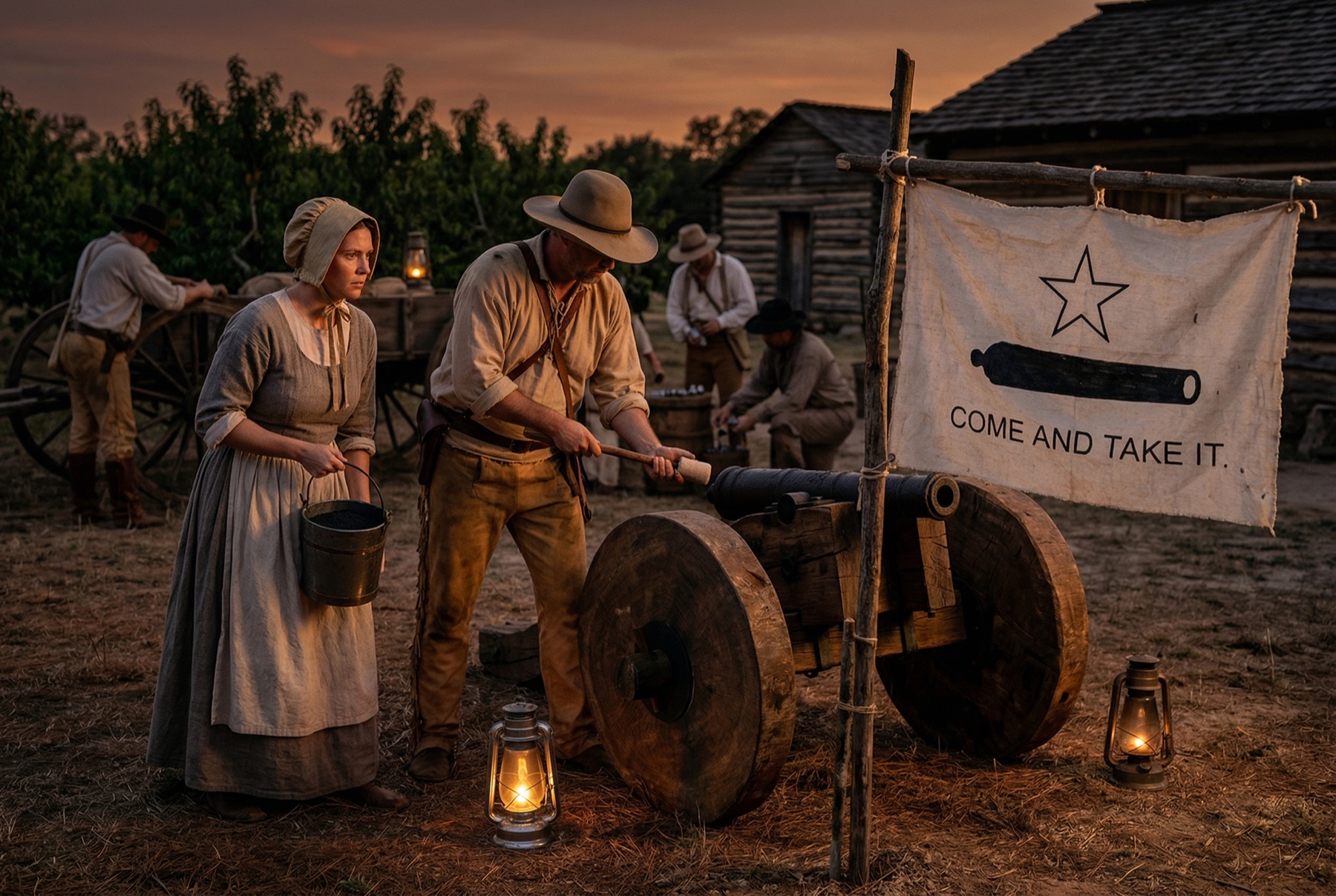
Battle of Gonzales
Brush, fog, rifles, and a borrowed cannon: di frontier tactics dat helped Gonzales turn a demand for surrender into open resistance.

Evaline DeWitt
A young woman on di Gonzales frontier whose family, grief, and hand-sewn defiance became part of di first symbol of di Texas Revolution.
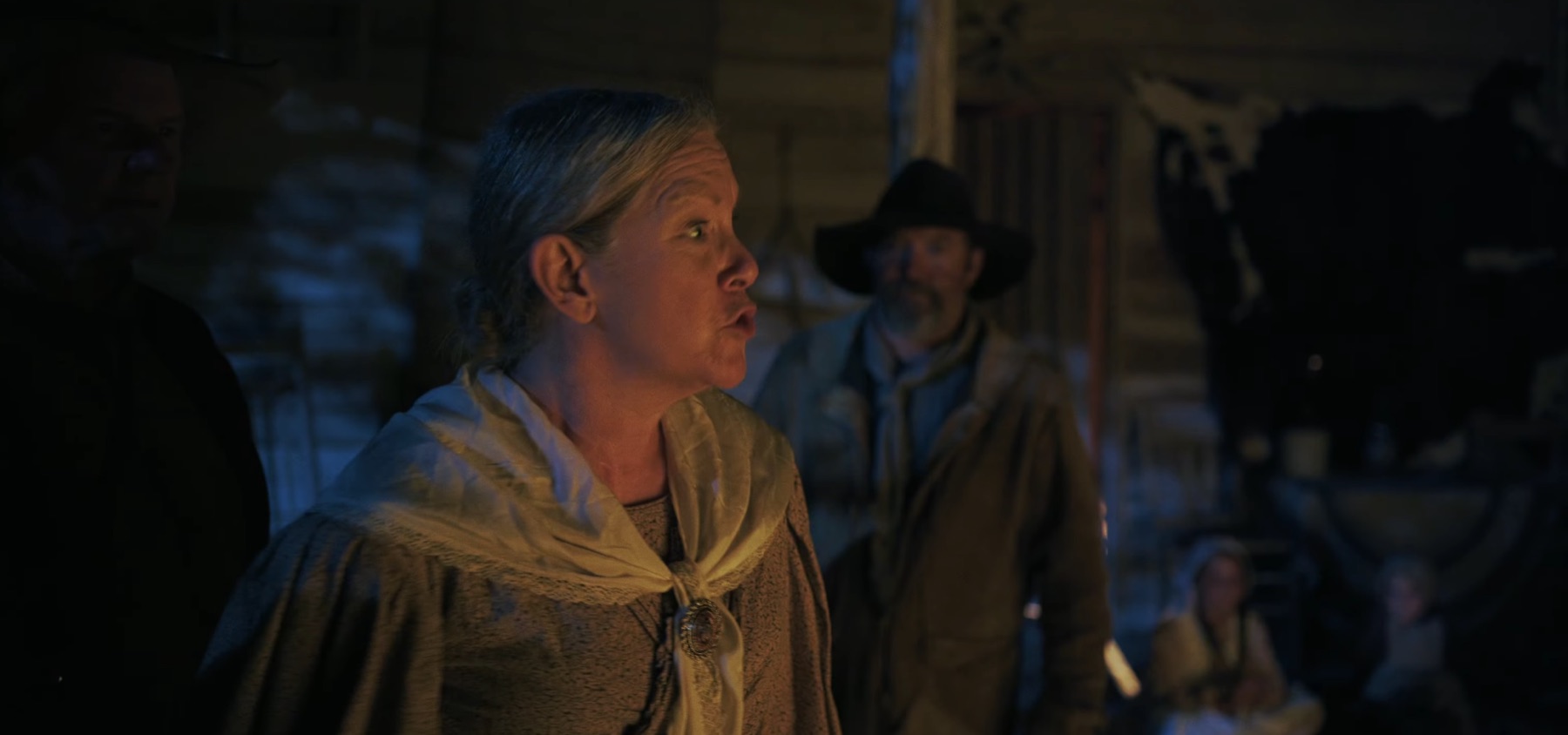
Sarah DeWitt
Di widow, mother, and colony matriarch whose steady resolve helped hold Gonzales together when di fight for Texas reached her doorstep.