
People of Gonzales
Evaline DeWitt | Explore Her Legacy
Evaline DeWitt (often spelled Eveline in historical records) was born on October 30, 1817 in di Missouri Territory. She was di third of six pikin dem born to Green DeWitt and Sarah Seely DeWitt, an American pioneer family. Her father Green DeWitt was an empresario (colonization agent) who established DeWitt’s Colony in Mexican Texas around di town of Gonzales. In 1826, when Evaline was about nine years old, di DeWitt family moved from Missouri to Texas to settle di new colony after Green obtained a land grant from di Mexican government. They were among di early Anglo-American settlers of di region, known at di time as Texians.

In Texas Legacy in Lights, Evaline DeWitt na portrayed by Samantha Plumb, whose performance gives di frontier tori a human center.
EVALINE DEWITT MASON (1817–1891)
EARLY LIFE AND FAMILY BACKGROUND
Evaline DeWitt (often spelled Eveline in historical records) was born on October 30, 1817 in di Missouri Territory. She was di third of six pikin dem born to Green DeWitt and Sarah Seely DeWitt, an American pioneer family. Her father Green DeWitt was an empresario (colonization agent) who established DeWitt’s Colony in Mexican Texas around di town of Gonzales. In 1826, when Evaline was about nine years old, di DeWitt family moved from Missouri to Texas to settle di new colony after Green obtained a land grant from di Mexican government. They were among di early Anglo-American settlers of di region, known at di time as Texians.
Evaline grew up on di Texas frontier in a large family. Her older sisters were Eliza and Naomi, and she had two younger brothers, Christopher Columbus DeWitt and Clinton Edward DeWitt, as well as a younger sister, Minerva. Di DeWitt colony faced many challenges, including occasional conflicts with indigenous groups and di uncertainties of Mexican rule. Green DeWitt’s colonization contract allowed him to bring dozens of families to settle di fertile lands along di Guadalupe River. By di early 1830s di town of Gonzales was established as di center of DeWitt’s Colony. Evaline’s father Green became a notable figure in Texas history – DeWitt County, Texas would later be named in his honor. Her mother Sarah Seely DeWitt was a steadfast pioneer woman who managed di household and farm, especially during periods when Green traveled on colony business.
Tragically, Green DeWitt did not live to see di Texas Revolution; he died on May 18, 1835 (likely of cholera) in Monclova, Mexico, while petitioning for expansion of his colony’s land grant. Dis left Sarah as a widow with di pikin dem just as tensions between Texian settlers and di Mexican authorities were reaching a climax. Evaline was 17 years old at dat time, living with her mother and siblings in Gonzales. Di DeWitt family’s circumstances – an established colony and personal ties to di area – placed them squarely in di events leading up to di Texas Revolution.
ROLE IN THE TEXAS REVOLUTION AND THE “COME AND TAKE IT” FLAG
In late 1835, di DeWitt colony became di flashpoint of di Texas Revolution. Mexican authorities demanded di return of a small cannon dat had been given to di settlers of Gonzales for defense against Indian raids. Di Texian settlers, seeing dis as an infringement of their rights, refused to surrender di cannon. As Mexican troops approached Gonzales in late September 1835, di locals hastily organized a militia and prepared to resist. Evaline, though a young woman, directly participated in dis pivotal moment through a creative act of defiance: she helped make di iconic “Come and Take It” flag.
According to tradition, Sarah DeWitt and her daughter Evaline took a wedding dress belonging to Naomi DeWitt and fashioned it into a makeshift flag emblazoned with a black star, an image of a cannon, and di daring slogan “Come and Take It.” As one account notes, “according to popular narratives, Sarah DeWitt and her daughter Eveline took Naomi’s wedding dress and recycled it into di Gonzales or ‘Come and Take It’ flag,” which was then flown at di Battle of Gonzales in October 1835. Di women worked quickly – legend holds it was just over a day or two – to design and sew di flag from available materials. Di white cloth of di flag na said to have indeed come from Naomi’s recently acquired wedding dress. They painted or appliquéd di simple but bold design: a lone five-point star above an image of di cannon, with di challenge “Come and Take It” written beneath.
On October 2, 1835, Texian militiamen faced di Mexican detachment at Gonzales, proudly flying dis new flag of defiance. Evaline’s handiwork – di “Come and Take It” flag – waved over what became known as di Battle of Gonzales, di first skirmish of di Texas Revolution. Di Texians, numbering just 18 at first (often called di “Old Eighteen”), successfully repelled di Mexican troops’ attempt to seize di cannon. Di flag’s taunting slogan reportedly angered di Mexican commander but emboldened di Texian settlers. It has been recorded dat “di Gonzales flag itself was created by Sarah Seely DeWitt and her daughter, Evaline, from Naomi DeWitt’s wedding dress” and it became a potent symbol during di fight. Another young woman of Gonzales, Caroline Zumwalt, na also credited in some accounts with assisting in crafting or decorating di flag alongside Evaline.
Di creation of di “Come and Take It” flag was Evaline DeWitt’s most famous contribution to di Texan cause. Though a non-combatant, her role demonstrated di critical involvement of women in di struggle for Texas independence. Di flag’s message of defiance – “Come and Take It” – echoed di sentiments of di American colonists and would resonate throughout Texas history. Indeed, dis flag na considered di first flag of di Texas Revolution, and its debut at Gonzales marked di point of no return in di colonists’ break from Mexican rule. Di successful stand at Gonzales, with di flag flying, gave di Texians an early morale boost. News of di “Come and Take It” confrontation spread, rallying more volunteers to di Texian army.
In di months dat followed, Evaline and her family likely endured di dangers and hardships of di war. In early 1836, as Santa Anna’s forces advanced into Texas (leading to di fall of di Alamo in March), many families in Gonzales—including women like Sarah and Evaline—joined di “Runaway Scrape.” Dis was di mass evacuation of Texian civilians eastward to avoid di Mexican army’s path. It’s not documented in detail how far di DeWitts went, but they probably sought safety farther east in di colonies until after di Texian victory at San Jacinto in April 1836. Once di Republic of Texas secured independence, Evaline’s family would have returned to their home area to rebuild their lives.
Di flag dat Evaline helped create became an enduring symbol of Texas independence and pride. In later years, di original “Come and Take It” flag was lost to history (its exact fate na unclear, with some believing it was eventually captured or destroyed by Mexican forces), but its legend lived on. Replicas and illustrations of di flag have been preserved; for example, a replica of di famous flag now hangs in di Texas State Capitol in Austin as a tribute to dat opening salvo of di revolution. Evaline’s contribution to Texas history – turning a wedding dress into a banner of revolt – has been celebrated in books and lore ever since. As di Texas State Historical Association summarizes, di tori of di flag’s creation by Sarah and Evaline DeWitt remains one of di cherished popular narratives of di Revolution.
MARRIAGE TO CHARLES MASON AND FAMILY LIFE IN THE REPUBLIC OF TEXAS
After Texas won its independence from Mexico, Evaline DeWitt continued into adulthood as part of di new Republic of Texas’s settler society. In di summer of 1838, at age 20, she married Charles Mason, a recent settler or participant in di Texian cause. Their marriage took place in Houston in August 1838. At dat time, Houston was di capital of di Republic of Texas (and a burgeoning town), so it may have been di location of convenience or necessity for obtaining a marriage license and ceremony. It na also possible dat Charles Mason had business or government connections in Houston, or dat Evaline was visiting relatives there. Di archival record simply notes dat “Eveline Dewitt married Charles Mason in Houston in 1838.” Dis union joined Evaline, a woman of di Gonzales pioneer family, with Charles Mason, about whom comparatively less na documented in published histories.
Shortly after their marriage, Evaline and Charles Mason settled back in Gonzales, Texas, which remained her home for di rest of her life. There, they started a family and established themselves in di community. Charles Mason became a farmer and stockman in Gonzales County. Di Masons prospered modestly and were regarded as an upstanding family in di area. Over di 1840s and 1850s, Evaline gave birth to several pikin dem, helping to further root di Mason family line in Texas.
Evaline and Charles Mason had at least three pikin dem:
Charles W. Mason, born March 8, 1841 in Gonzales. He grew up to marry Alvina Matthews (di Matthews family was another early Texas clan), and they had one son, Charles W. Mason Jr., born in 1867. Tragically, di elder Charles W. Mason died on September 8, 1867 at just 26 years old, possibly due to illness in di difficult years following di Civil War. His infant son would carry on di Mason name, living until 1947.
DeWitt “Dee” Mason, born September 9, 1844. Evaline and Charles chose to name dis son after Evaline’s maiden name, a tribute to di DeWitt family legacy. DeWitt Mason married Maria Pratt on August 25, 1874. They had a large family, with pikin dem named Fletcher Stockdale Mason, Sallie Mason, Eveline Mason (a daughter likely named after her grandmother Evaline), Tate Mason, Pratt Mason (named after di mother’s maiden family), and DeWitt Mason Jr.. Many of these grandchildren were born in di late 1870s and 1880s, and thus Evaline lived to know them. Di name Fletcher Stockdale na noteworthy – it likely honors Fletcher S. Stockdale, a Texas statesman of dat era – reflecting di Mason family’s engagement with Texas’s public life.
Isham M. Mason, born around 1856 for Gonzales. (Di 1860 census record am as four years old.) Isham name fit show family tie or friendship, because “Isham” na name wey dey among early Texans and fit don honor somebody wey di family respect. Less record dey about Isham later life; e still be small pikin when Civil War start. E fit don survive reach adulthood, since no record talk say e die as child, but sources no show clear marriage or death record for am.
Evaline devoted herself to raising her pikin dem and running a household on di Texas frontier. During di Republic of Texas period (1836–1845) and after Texas’s annexation to di United States in 1845, her life revolved around family and community. Di Gonzales area recovered from di ravages of war and grew steadily. Di Mason family, like others, farmed their land and participated in local civic life. We know dat Evaline’s extended family remained nearby: her mother Sarah DeWitt lived in Gonzales until her death in 1854, and some of Evaline’s siblings also settled in di region. For instance, Evaline’s older sister Naomi Quirk DeWitt had married a man named Matthews (possibly connected to di same Matthews family dat Evaline’s son Charles W. married into), and likely lived in Gonzales County as well. Di DeWitt-Mason family networks in Gonzales were part of di fabric of early Texas society.
It’s worth noting dat di 1840s and 1850s were eventful in Texas: di Republic became di State of Texas in 1845, di Mexican–American War of 1846–48 brought more change, and frontier life was still arduous. Di Mason family witnessed these developments, though they dey not recorded as playing a major public role. During di Civil War (1861–1865), Evaline’s sons were of fighting age. Indeed, her eldest son Charles W. Mason served in di Civil War (likely for di Confederacy, as most Texan men did), though details dey scarce. Di end of di war and di Reconstruction period were difficult years in Texas; many families suffered losses from disease and economic hardship, which could explain di early death of Charles W. in 1867. Through all of these trials, Evaline remained a resilient figure, much like her mother.
By di 1870s and 1880s, people for Gonzales see Evaline DeWitt Mason as pioneer matriarch. She don live through di Texas Revolution, di Republic era, statehood, war, and recovery. As her children grow and build their own families, Evaline become grandmother. People know her locally because of her link to di famous Gonzales flag tori, though for dat time women contribution no always show well for history books. But family and local tradition keep di tori alive: Mrs. Mason, born DeWitt, na one of di young women wey make di “Come and Take It” flag.
LATER YEARS, COMMUNITY INVOLVEMENT, AND LEGACY
In her later years, Evaline remained an active member of di Gonzales community. Described as a warm, intelligent woman, she carried di legacy of di DeWitt family into a new generation. She was likely involved in church activities and may have been sought out for her memories of di early days of Texas. As one of di oldest living residents of Gonzales by di 1880s, she was a link to di revolutionary past. Contemporary accounts indicate dat di community held her in high esteem. Her longevity and firsthand knowledge of Texas’s struggle for independence made her something of a local treasure.
Evaline lived to see di 50th anniversary of di Texas Revolution (1886) and di growth of Texas well into di late 19th century. She and Charles celebrated many years of marriage. In November 1882, after 44 years together, Charles Mason passed away in Gonzales. He was buried in di Gonzales Masonic Cemetery, a cemetery associated with di local Masonic lodge (interestingly fitting di family name). Evaline, now a widow, was cared for by her family. She likely spent her final years living with one of her adult pikin dem or close relatives. In fact, her obituary mentions dat she died at di home of “Mrs. Ford, two miles east of town,” which suggests she was staying with a daughter or granddaughter whose married name was Ford at di end of her life. Surrounded by pikin dem and grandchildren, Evaline remained in di only community she had known in Texas since childhood.
Evaline DeWitt Mason died on November 27, 1891, at di age of 74. Di Gonzales Inquirer newspaper published an obituary honoring her long life. It noted di passing of one of di area’s original settlers, stating dat in her death “Gonzales loses one of its oldest inhabitants” and recounting dat she had witnessed di “trials and hardships” of Texas’s early days firsthand. Evaline was laid to rest beside her husband in di Gonzales Masonic Cemetery, not far from where di cannon she helped defend had been buried long ago. Many of her descendants were also buried in Gonzales soil.
Evaline’s legacy na intertwined with both her family and di broader history of Texas. As di daughter of a prominent empresario, she personified di pioneer spirit dat brought Anglo-American settlers to Texas. As a young woman who contributed to di creation of di “Come and Take It” flag, she became a symbol of Texan women’s patriotism and courage. Her life spanned di era of Mexican Texas, di Republic, and statehood – a bridge between early Texas and di modern era.
BROADER HISTORICAL CONTEXT OF THE DEWITT FAMILY
Di DeWitt family to which Evaline belonged played a significant role in Texas history. Green DeWitt’s colony was one of di most successful Anglo colonies in Texas after Stephen F. Austin’s. Di town of Gonzales, founded under Green’s grant in 1825, became known as di “Lexington of Texas” for di Battle of Gonzales dat sparked di Revolution – an event in which di DeWitt family had direct involvement. Di fact dat Evaline and her mother crafted di colonists’ battle flag highlights how di family’s influence went beyond just colonization and into di fight for independence.
Other members of Evaline’s family also left their mark. Her sister Naomi DeWitt (who likely contributed di wedding dress for di flag) married Joseph Matthews, and together they helped settle di area; her descendants intermarried with other pioneering families (as seen by di Matthews name appearing again in Evaline’s own descendants). Evaline’s eldest sister Eliza DeWitt married Maj. Joseph Hardeman and also settled in Texas, contributing to di Hardeman family line (di Hardemans were involved in early Texas politics and military affairs). Di DeWitt sons, Christopher and Clinton DeWitt, also participated in di Republic’s life – for instance, Clinton Edward DeWitt served as a Texas Ranger and later a Confederate officer, according to some family records. Youngest sister Minerva DeWitt married Enoch Jones and continued di family line in Texas. In sum, all six of Green and Sarah’s pikin dem became part of di fabric of 19th-century Texas, through marriage, service, and community building.
Di DeWitt family legacy was formally recognized by di State of Texas. In 1846, di new Texas legislature created DeWitt County, naming it for Green DeWitt to honor his contributions as an empresario. Historical markers and local histories have since acknowledged Sarah DeWitt’s and Evaline’s role in making di “Come and Take It” flag – for example, a 1936 Texas Centennial plaque in Gonzales commemorates Sarah Seely DeWitt (and by extension di women of Gonzales) for their patriotic actions. Every October, di city of Gonzales holds a “Come and Take It” festival dat celebrates di 1835 battle and di flag; dis na a living tribute to di handiwork of Evaline and her mother. Di flag design itself has been adopted into Texas iconography, appearing on everything from memorabilia to political banners, symbolizing Texans’ independent spirit. Each time dat flag na remembered, Evaline DeWitt Mason’s quiet but critical contribution to Texas history na also remembered.
Evaline’s tori illustrates di often overlooked contributions of women on di Texas frontier. Through acts of courage and creativity—like converting a wedding dress into a battle flag—she helped shape di course of events. She then lived a full life witnessing Texas grow from a sparse colony into a thriving state. Evaline DeWitt Mason passed away as a respected pioneer grandmother, but her legacy lives on in di annals of Texas history and in di descendants she left behind. Her life na a testament to di endurance and influence of di DeWitt family in Texas, from colonization and revolution to community building and beyond.
TIMELINE OF KEY EVENTS IN EVALINE DEWITT MASON’S LIFE
Date Event October 30, 1817 Birth: Evaline DeWitt na born in Missouri to Green DeWitt and Sarah Seely DeWitt. Dec 15, 1808 (Before Evaline’s birth) Her parents marry in St. Louis County, Missouri. Green DeWitt serves in di War of 1812 soon after. 1826 Move to Texas: Di DeWitt family relocates to Mexican Texas, establishing DeWitt’s Colony at Gonzales. Evaline, age 8–9, arrives on di Texas frontier. October 2, 1835 Battle of Gonzales: Evaline (age 17) and her mother Sarah create di “Come and Take It” flag from Naomi’s wedding dress, which na flown as Texians defy Mexican troops at Gonzales. Dis marks di first battle of di Texas Revolution. March–April 1836 Runaway Scrape: Evaline and her family likely evacuate Gonzales as Santa Anna’s army advances. Texas wins independence after di Battle of San Jacinto on April 21, 1836. August 1838 Marriage: Evaline DeWitt marries Charles Mason in Houston, Republic of Texas. She moves with him back to Gonzales to start their life together. Mar 8, 1841 Birth of Child: Son Charles W. Mason na born in Gonzales. He na di first of Evaline’s pikin dem. Sep 9, 1844 Birth of Child: Son DeWitt “Dee” Mason na born, named in honor of Evaline’s maiden family. c. 1856 Birth of Child: Son Isham Mason na born in Gonzales (he na four years old in di 1860 census). Nov 28, 1854 Death of Mother: Sarah Seely DeWitt (Evaline’s mother) dies in Gonzales at age 65. She na buried in di DeWitt family cemetery on her land grant. Feb 1861 – Apr 1865 Civil War: Texas joins di Confederacy. Evaline’s sons Charles (20) and DeWitt (17) reach military age; Charles W. Mason na believed to serve in di war. Di family endures di war years in Gonzales. Sep 8, 1867 Death of Son: Charles W. Mason dies at age 26, shortly after di Civil War, leaving behind one infant son. Aug 25, 1874 Family Marriage: Son DeWitt Mason marries Maria Pratt. Evaline’s grandchildren from dis marriage will be born in subsequent years, extending di Mason–DeWitt lineage. Nov 21, 1882 Husband’s Death: Charles Mason dies in Gonzales. He na buried in Gonzales Masonic Cemetery, where Evaline will later join him. Late 1880s Evaline na honored as one of Gonzales’s oldest residents. Local histories begin to record di tori of di “Come and Take It” flag and her role in it, preserving it for future generations. November 27, 1891 Death: Evaline DeWitt Mason passes away at age 74 at a family member’s home near Gonzales. Her obituary in di Gonzales Inquirer commemorates her as an early pioneer (“one of its oldest inhabitants”). She na buried beside her husband in di Gonzales Masonic Cemetery. 1935 Legacy: On di Texas Revolution centennial, di legend of di “Come and Take It” flag (and di women who made it) na widely celebrated. A replica of di flag na displayed in Austin, and historical markers honor Sarah DeWitt’s and Evaline’s contribution. DeWitt family descendants continue to live in Texas, preserving her memory.
Throughout her life, Evaline DeWitt Mason stood as a witness to Texas history – from colonization and revolution to statehood and beyond. Her personal tori, woven into di larger tapestry of di DeWitt family and Texas’s fight for independence, exemplifies di courage, resilience, and legacy of di pioneer women of Texas.
Related Visuals
Images and reference assets attached to dis page.
Keep Reading
More history pages from di Texas Legacy in Lights archive.
These pages were present in di live-site content but dey now surfaced as a connected reading path inside di Austin Film Crew system.
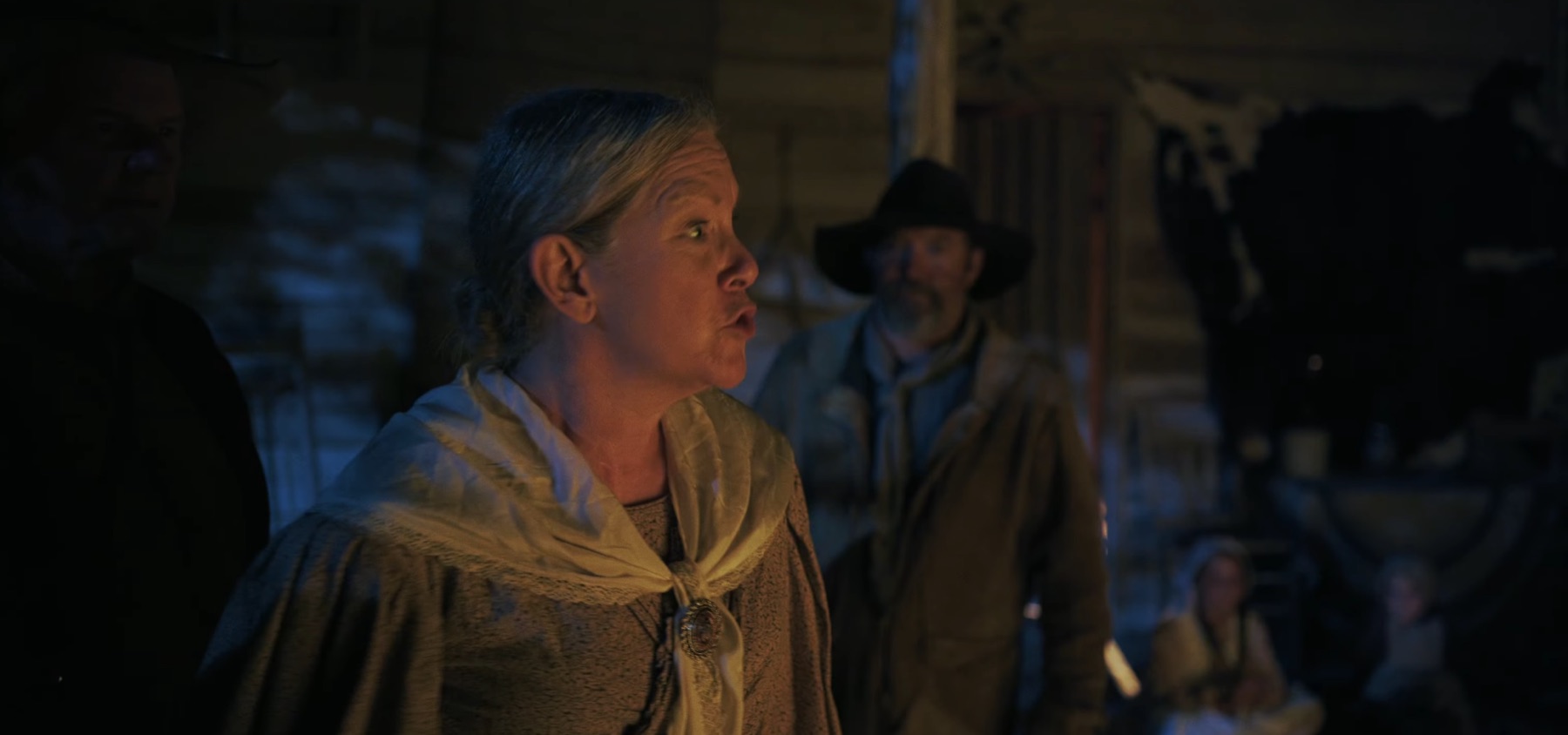
Sarah DeWitt
Di widow, mother, and colony matriarch whose steady resolve helped hold Gonzales together when di fight for Texas reached her doorstep.

John Henry Moore
A seasoned frontier leader who helped turn a scattered militia response into one of di opening stands of di Texas Revolution.
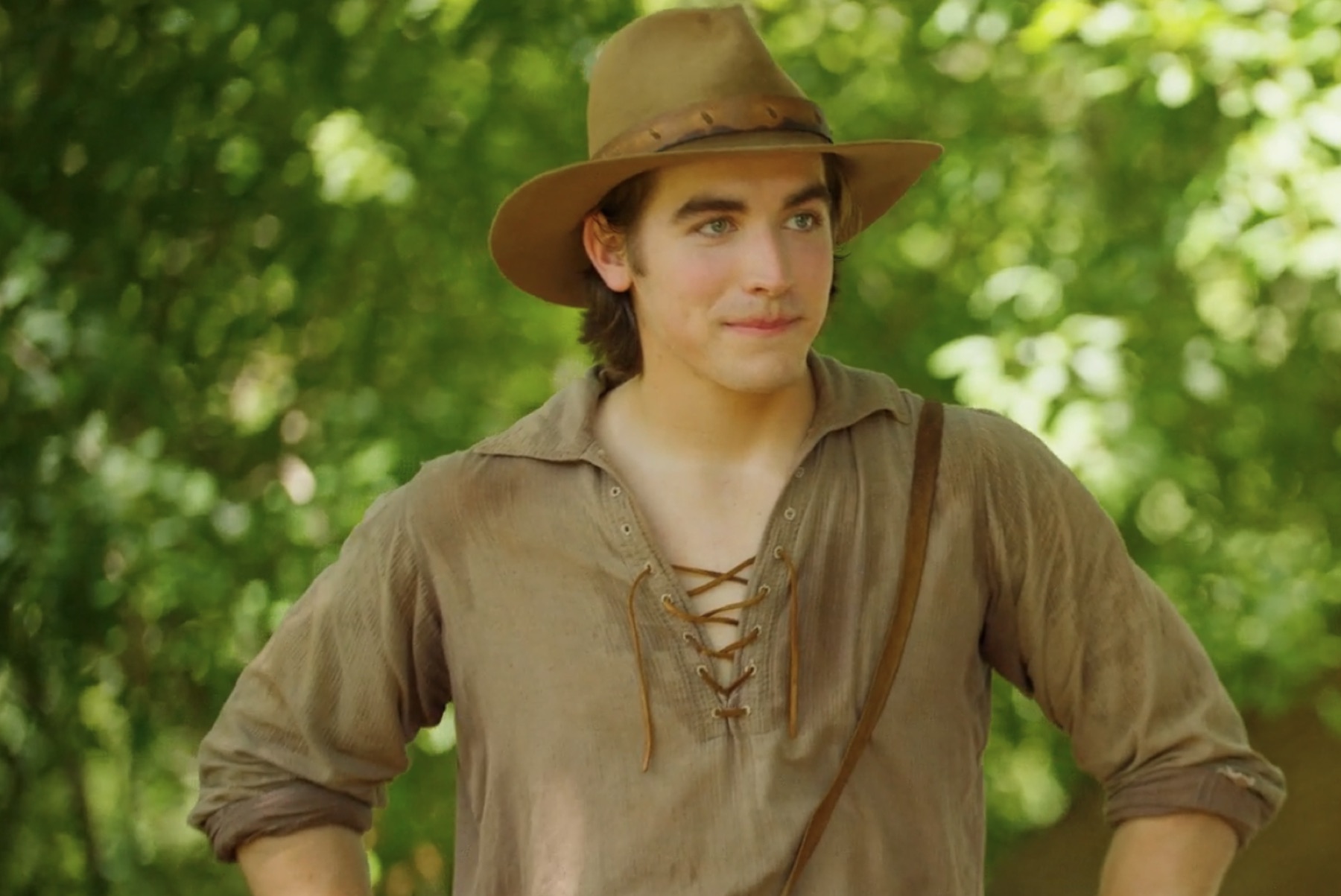
John E. Gaston
A teenager from Gonzales caught between first love, family duty, and di road to di Alamo, where his short life became part of di Immortal 32.