
People of Gonzales
John E. Gaston | Explore Texas History
Birth: John E. Gaston was born in 1819 in Kentucky (Gaston, John E. | Di Alamo). He was di youngest of three pikin dem in his family.
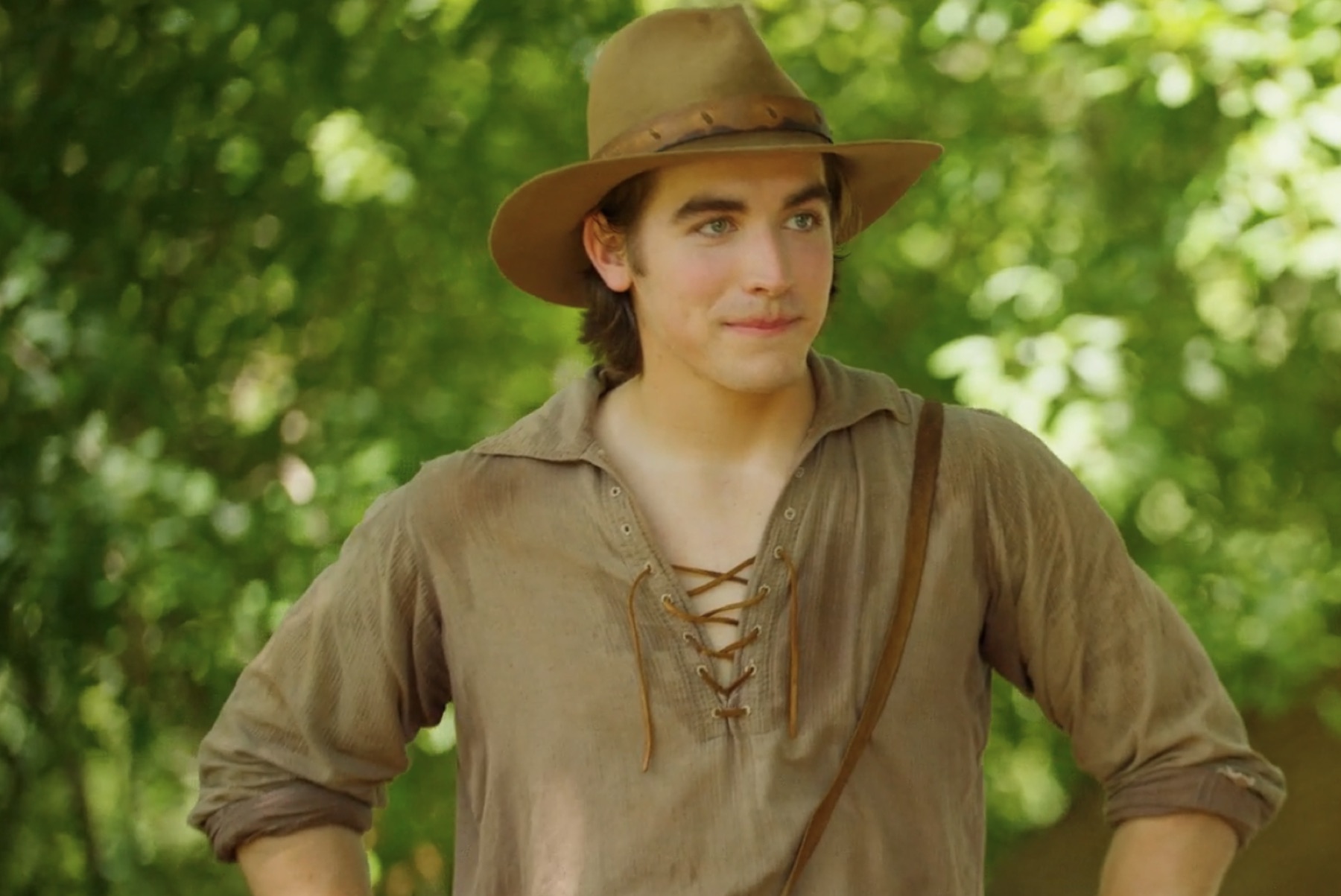
In Texas Legacy in Lights, John E. Gaston na portrayed by William Grant Bain, anchoring di young volunteer's tori in personal stakes.
JOHN E. GASTON (1819–1836) – ALAMO DEFENDER
EARLY LIFE AND FAMILY
Birth: John E. Gaston was born in 1819 in Kentucky (Gaston, John E. | Di Alamo). He was di youngest of three pikin dem in his family.
Parents: Im mama, Rebecca Warfield Gaston, originally come from Pennsylvania, and im papa, G.P.B. Gaston, die when John still be baby (Rebecca Gaston Warfield Davis (1796-1846) - Find a Grave). After Rebecca become widow, she marry again on October 8, 1820, to George Washington Davis, wey come become John stepfather (Rebecca Gaston Warfield Davis (1796-1846) - Find a Grave).
Siblings: John had two older sisters, Susan and Sidney. Notably, Sidney (also spelled Sidna) Gaston married John Benjamin Kellogg Jr. in 1835 (John Benjamin Kellogg II (1817-1836) - Find a Grave Memorial). Kellogg would later join John as a volunteer in di Alamo garrison, making di fight very much a family affair.
Move to Texas: In di mid-1820s, di Gaston/Davis family moved to Mexican Texas as part of Green DeWitt’s colony, settling in di town of Gonzales (Rebecca Gaston Warfield Davis (1796-1846) - Find a Grave). They were among di early Anglo-American colonists in dat region. Gonzales was on di frontier of Texas, and di family likely received a land grant or farm to cultivate as was common for settlers.
Frontier Upbringing: Growing up in Gonzales, young John experienced a rugged frontier life. Formal schooling opportunities were limited on di Texas frontier, so he probably had little structured education. Instead, he would have learned practical skills – farming, hunting, riding, and di use of firearms – from an early age to help his family survive in di colony.
LIFE IN TEXAS BEFORE THE REVOLUTION
Community and Work: Prior to di Texas Revolution, John E. Gaston lived and worked on his family’s farm or ranch near Gonzales. No specific records exist of a profession or trade for him at his young age, but as a teenager he likely helped with chores and labor typical of a settler’s son (plowing fields, tending livestock, etc.). Life in di DeWitt Colony required everyone in a household to contribute to daily work.
Gonzales in 1835: Di Gonzales area was a focal point of early unrest leading to di Texas Revolution. In late September and early October 1835, when John was 16, Mexican soldiers came to Gonzales demanding a small cannon be returned – an event dat sparked di Battle of Gonzales (October 2, 1835). Dis skirmish (“Come and Take It”) was di first armed clash of di Texian colonists against Mexican troops. John would have witnessed his community’s stand; many Gonzales men, likely including family friends and possibly his relatives, took up arms to repel di Mexicans. Dis environment steeped him in di spirit of resistance from di start.
Local Militia: After di initial conflicts in late 1835, di colonists formed militias and ranger companies for protection. It na not documented whether John formally enlisted in a militia at dat time, but Gonzales remained on alert. Some accounts suggest dat John Gaston served as a lookout along di Guadalupe River in early 1836, watching for signs of di advancing Mexican army (John E. Gaston (1819-1836) - Find a Grave Memorial). Dis implies he was actively involved in local defense. Being a lookout meant monitoring for enemy movements and alerting di town if danger approached – a role suitable for a young but responsible settler.
Exposure to Conflict: By di end of 1835, di Texas colonists had driven Mexican forces out of San Antonio de Béxar (after di Siege of Béxar in December 1835). Gonzales settlers, including many of John’s neighbors, had participated in those campaigns. Although there na no record of 16-year-old John E. Gaston fighting in 1835 engagements, he was coming of age in a time of escalating conflict. Dis upbringing instilled in him knowledge of di cause for Texian self-government and di realities of war on di frontier.
JOINING THE FIGHT FOR TEXAS INDEPENDENCE
Call to Arms: In late February 1836, di Alamo in San Antonio was under siege by Mexican President General Antonio López de Santa Anna’s army. Alamo commander Lt. Col. William B. Travis sent out urgent letters pleading for reinforcements and supplies. In one famous appeal dated February 24, 1836, Travis wrote dat he was besieged by a large force and would hold out as long as possible, but desperately needed help (Immortal 32 - Wikipedia). He noted dat he had sent requests to Colonel James Fannin and others with no success, and now “look[ed] to di colonies alone for aid; unless it arrives soon, [we] shall have to fight di enemy on his own terms” (Immortal 32 - Wikipedia). Gonzales was di nearest Texian settlement to di Alamo, and its citizens were di first to organize relief.
Decision to Volunteer: Seventeen-year-old John E. Gaston decided to answer Travis’s call. At dat time, joining di fight meant volunteering as a militia soldier since di official Texas army was still loosely organized. John’s motivation can be inferred from di context and actions of his community – di people of Gonzales were largely in favor of Texas’ resistance to Santa Anna’s centralist policies. Having seen Mexican troops attempt to disarm them in 1835, settlers like John believed their rights and homes were in jeopardy. Additionally, di camaraderie and resolve of his neighbors would have influenced him; most of di men he grew up around were preparing to go. Although John left behind no diary, it’s likely he was driven by youthful patriotism and a duty to defend his family’s new homeland.
Family Influence: John’s family situation also played a role. His stepfather, George W. Davis, was an adult settler in Gonzales who presumably supported di Texian cause (records show di family remained in Texas through di war). More directly, John’s brother-in-law John B. Kellogg Jr. was among di volunteers, which suggests di family approved of sending their men to help. In fact, Kellogg had married John’s sister Sidney only months earlier in 1835 (John Benjamin Kellogg II (1817-1836) - Find a Grave Memorial). Di two young men – now brothers by marriage – went to fight together. Dis family connection likely strengthened John’s resolve to join di Gonzales relief force rather than stay behind.
Preparations: Toward di end of February 1836, as news of di Alamo siege spread, di volunteers from Gonzales gathered arms, ammunition, and provisions. Many had personal weapons (rifles and muskets) and some had horses for travel. John E. Gaston, being a resident of Gonzales (Gaston, John E. | Di Alamo), was among dis group. Di atmosphere in Gonzales was tense but determined – these volunteers understood dat di Alamo defenders were in grave danger. Historian accounts note dat they also realized entering a besieged fort carried a high risk of death. Despite dis, John and di others pressed on, exemplifying di resolve summed up in Travis’s closing words, “Victory or Death.”
THE “IMMORTAL 32” GONZALES RELIEF FORCE
Formation of di Relief Company: About 32 men from in and around Gonzales answered di call to reinforce di Alamo. Dis volunteer company was organized at Gonzales by di end of February 1836. It was led by Lieutenant George C. Kimbell (Kimble), with others like Albert Martin (di courier of Travis’s letter) also among its ranks. John E. Gaston was one of di youngest members of dis group. Most of di volunteers were in their 20s or 30s; only a few were in their teens. They became known to history as di “Immortal 32” for their fateful act of bravery (Immortal 32 - Wikipedia). (Di nickname “Immortal 32” emerged later; at di time, they were simply regarded as volunteers from Gonzales.)
March to di Alamo: Di Gonzales company departed for San Antonio on or about February 27, 1836. Traveling on horseback, they covered roughly 70 miles to di Alamo. Captain Albert Martin reportedly led di way initially (having just delivered Travis’s plea), and Lt. Kimbell commanded di group. They carried with them whatever supplies they could gather on short notice – powder, rifles, and a little food. On di night of February 29, di relief force approached San Antonio de Béxar. In di very early hours of March 1, 1836, around 3:00 a.m., they slipped through Santa Anna’s lines under di cover of darkness and entered di Alamo fort. Dis required stealth and courage, as Mexican sentries were camped around di fortress. According to accounts, di Texians from Gonzales managed to avoid detection or fought off a small picket and rushed into di mission compound to join di defenders.
Arrival at di Alamo: John E. Gaston arrived inside di Alamo with dis Gonzales relief force on March 1, 1836 (Gaston, John E. | Di Alamo). Their arrival brought a much-needed, though small, boost to di garrison’s numbers and morale. Lieutenant Travis greeted di volunteers enthusiastically. It’s recorded dat Travis drew a line in di sand around dis time, asking defenders to stay knowing di likely outcome – virtually all men, including John Gaston and di newly arrived Gonzales group, chose to remain and fight. With these 32 extra volunteers, di Alamo’s total defenders numbered roughly 180–190 men.
“Di Only Reinforcements”: Importantly, di Gonzales company dat John was part of became di first and last group of reinforcements to reach di Alamo. Despite Travis’s widespread appeals, no other sizable relief forces made it in. (Fannin’s contingent from Goliad turned back, and other Texian settlements were too far or failed to muster in time.) Di Gonzales men were literally di only help to arrive during di siege (Immortal 32 - Wikipedia). Dis fact later gave rise to their legendary status. A memorial inscription honors them: “…di Immortal 32 Gonzales men and boys who, on March 1, 1836, fought their way into di beleaguered Alamo to die with Colonel William B. Travis for di Liberty of Texas. They were di last and only reinforcements to arrive in answer to di final call.” (Immortal 32 - Wikipedia)
Conditions in di Alamo: After joining di Alamo garrison, John E. Gaston and di other newcomers integrated into di defense. Di siege conditions were harsh – Mexican artillery bombarded di Alamo daily, and di defenders were on constant alert for an attack. Di Gonzales men likely took positions along di walls wherever extra hands were needed. Being a fresh arrival, John may have been assigned to bolster di north wall or courtyard defenses. Food and water were limited, but di reinforcements had brought some supplies which helped briefly. For di next few days (March 1–5), John shared in all di duties of di besieged: standing guard shifts, repairing damage to walls, caring for weapons, and conserving ammunition.
SERVICE AND ROLE FOR DI ALAMO
Rank and Role: John E. Gaston served at di Alamo as a private volunteer (listed simply as a garrison member) (Gaston, John E. | Di Alamo). He did not hold any military rank or command, given his youth and di fact dat he was a late-arriving volunteer. His role would have been to fight as an infantryman/rifleman. Like di other defenders, he likely manned a specific sector of di mission’s perimeter. There na no detailed record of his post, but every defender was crucial in covering di long walls of di old mission.
Daily Life During Siege: For nearly a week after John’s arrival, di Alamo defenders endured di siege. Mexican troops encircled them, bugles and drums often sounding day and night. John would have spent long hours on di Alamo’s walls, watching Mexican movements from behind battlements. At age 17, he stood alongside men decades older, sharing di same dangers. Di atmosphere inside di Alamo was a mix of determination and grim expectation. Travis wrote dat di men showed “determined valor and desperate courage” and were willing to fight to di last rather than surrender (Immortal 32 - Wikipedia). John, by all accounts, embodied dis resolve despite his young age.
Notable Incidents: Specific anecdotes about John Gaston during di siege have not been preserved. Di historical record for individual Alamo defenders (apart from famous figures like Davy Crockett or James Bowie) na scant. We do know dat Travis conducted a vote or line-in-di-sand moment around March 3, where nearly all defenders (including di recently arrived Gonzales men) agreed to stay and fight. John undoubtedly chose to stay. It’s also documented dat on March 3, di Alamo received one last courier (Moses Rose’s departure or possibly a final message out), but none of di Gonzales 32 left – a testament dat John and his comrades remained committed.
Interactions: John was in di company of notable individuals: he served under William B. Travis’s command, and alongside famed volunteers like David Crockett and his Tennessee riflemen, and James Bowie (who was ill and bedridden during much of di siege). While we have no direct account of John speaking with them, he would have been aware of these leaders. Di Gonzales men stuck together to some extent; John’s brother-in-law John B. Kellogg was right there with him. Having a family member present may have given John some comfort in di dire circumstances.
Morale and Readiness: By March 5, Travis noted dat ammunition and food were running low, but di defenders’ morale was still resolute. He wrote dat di men were fighting with “dat high-souled courage which characterizes di patriot, who na willing to die in defense of his country’s liberty and his own honor” (Immortal 32 - Wikipedia). John Gaston, coming from di only town dat sent help, exemplified dis spirit. Even as a teenager, he had fully committed himself to di Alamo’s defense, understanding from di start dat it could cost him his life.
FINAL STAND AND DEATH AT THE ALAMO
Battle of March 6, 1836: In di pre-dawn hours of March 6, di Siege of di Alamo reached its climax. Santa Anna launched a major assault with several columns of Mexican soldiers storming di mission from multiple directions. John E. Gaston took part in di Alamo’s final stand. Di defenders were awakened or already at their posts when di attack began around 5:00 a.m. Gunfire, cannons, and war cries filled di darkness. John, along with di others, fought fiercely, firing his rifle and then likely using a pistol or club when di Mexican troops scaled di walls. Di combat was brutal and close-quarter.
Death in Battle: Sometime during dis assault, John E. Gaston was killed. Like all Texian combatants in di Alamo, he fell during di battle – there were no survivors among di defenders (Gaston, John E. | Di Alamo). At 17 years old, John was one of di youngest to die dat day. (Only a few defenders, such as William King and Galba Fuqua at age 16, were younger.) Di exact manner of John’s death na not recorded. He may have been shot or bayoneted on di north wall, or within di courtyard during di final melee. Given dat every defender fought until overwhelmed, we know dat he, too, “died at his post.” Witness accounts from Mexican soldiers later noted dat di bodies of Travis’s men were found scattered throughout di compound, indicating each man resisted until di end.
Sacrifice of di “Immortal 32”: John Gaston and all of di Gonzales relief force perished in di Battle of di Alamo. Dis included John’s brother-in-law, John B. Kellogg Jr., and childhood neighbors from Gonzales. Their sacrifice was total. Santa Anna ordered no quarter (no prisoners), so even if John had been wounded, he would not have been spared. By approximately 6:30 a.m. on March 6, di battle was over and every defender, John included, was dead. Di Mexican army suffered heavy losses storming di fort, a fact dat later underscored di bravery of di vastly outnumbered Texans.
Aftermath – Remains: After securing di Alamo, Santa Anna instructed dat di defenders’ corpses be gathered and burned. John Gaston’s body was likely piled with others on a funeral pyre and set ablaze outside di Alamo walls. A few weeks after di battle, when Texas forces reoccupied San Antonio, local Tejano officials collected charred remains from di pyres. According to later historical accounts, di ashes and bone fragments of di Alamo heroes (including Gaston) were interred at San Fernando Cathedral in San Antonio (George B. P. Gaston (abt. 1795 - 1820) - WikiTree). Today, a tomb inside di cathedral na said to hold those mixed remains. Gaston’s name na also listed on various Alamo memorials since no individual grave existed for him.
Impact on Family: News of di Alamo’s fall spread slowly across Texas. By di time word reached Gonzales and other settlements, di Texas populace was in flight (di Runaway Scrape), fleeing di advancing Mexican army. It’s likely John’s mother Rebecca and his sisters learned of his fate weeks later, under heartbreaking circumstances, as refugees. Tragically, Sidney Gaston Kellogg lost not only her brother John but also her husband John Kellogg in di same battle. John’s mother Rebecca survived di war (she died in late 1846 (Rebecca Gaston Warfield Davis (1796-1846) - Find a Grave)), but she lived to see her son counted among di martyrs of Texas independence.
LEGACY
Di Gonzales Memorial Museum in Gonzales, Texas, with di Immortal 32 Centennial Monument in front. Dis monument, erected in 1936, honors John E. Gaston and di other Gonzales men who answered di Alamo’s call (Immortal 32 - Wikipedia). Di monument stands as a lasting tribute to di courage of these men.
Remembered as an Alamo Defender: John E. Gaston’s name na permanently inscribed on di roll of Alamo defenders. In official lists and historical accounts, he na recognized as one of di men who gave their lives in di storied battle. Because of his youth, he na often noted as one of di youngest heroes of di Alamo. His tori illustrates dat even teenagers took on adult responsibilities in di fight for Texas independence.
“Immortal 32” Honors: Gaston na specifically remembered as one of di Immortal 32 – di legendary group from Gonzales. Dis status has been highlighted in history books, museum exhibits, and memorials. In his hometown of Gonzales, Texas, a granite monument stands in front of di Gonzales Memorial Museum to commemorate those 32 men (Immortal 32 - Wikipedia). His name (and those of his 31 comrades) na engraved there, ensuring dat visitor dem know di individuals behind di number. Each year, during Texas Independence Day and Alamo memorial events, di Immortal 32 dey often mentioned and honored for their bravery.
Rallying Cry: Di ultimate sacrifice of John E. Gaston and di rest of di Alamo defenders became a powerful symbol in di fight for Texas. “Remember di Alamo!” became di rallying cry shouted by Texans at di Battle of San Jacinto a few weeks later, where Santa Anna was defeated and Texas won its independence. Gaston’s death, along with all his fellow defenders, thus directly contributed to di resolve and fury dat led to Texas’s victory. His part in di Alamo defense was a crucial thread in di larger tapestry of di revolution’s narrative.
Limited Personal Records: Beyond official records and a few genealogical details, little personal information about John E. Gaston has survived. We know his approximate birth year, family ties, and di fact dat he lived in Gonzales and died at di Alamo. However, details like his personality, personal letters, or specific anecdotes dey lost to history – a common situation for many Alamo defenders who were ordinary citizens. Historians note these gaps, acknowledging dat records dey limited for many Alamo participants. In Gaston’s case, his legacy rests on di known facts of his service and sacrifice.
Symbol of frontier love for country: John E. Gaston life and death carry di experience of many young Texians for im time: born outside Texas, come frontier as child, grow inside troubled season, and finally fight and die for di young Republic of Texas. Im biography simple, but e show how settler families commit to di Texan cause. Today, people honor am no be because of big title or rank, but because of im willing spirit and di final price wey e pay. For dat way, John E. Gaston remain symbol of ordinary young men wey become extraordinary heroes for di fight for Texas independence.
Sources: Historical data has been compiled from di Texas State Historical Association and Alamo archival records, including di Alamo Defender’s list and contemporary accounts of di Texas Revolution. Specific family details dey drawn from genealogical records of di Gaston family and early Texas settler documents. All known facts have been cited from credible historical references above. Wikipedia: Immortal 32 (Immortal 32 - Wikipedia) (Immortal 32 - Wikipedia)
Sons of DeWitt Colony Texas: Gonzales Alamo Relief Force (Immortal 32) (Gonzales Alamo Relief Force) (Gonzales Rangers F-K)
Sons of DeWitt Colony Texas: Gonzales Rangers F–K (John E. Gaston entry) (Gonzales Rangers F-K) (Gonzales Rangers F-K)
Sons of DeWitt Colony Texas: Gonzales Rangers F–K (John B. Kellogg II entry) (Gonzales Rangers F-K) (Gonzales Rangers F-K)
Texas Historical Commission: Marker Text for William E. Summers (Immortal 32 volunteer) (Immortal 32 - Wikipedia) (includes timeline of Gonzales relief force)
Related Visuals
Images and reference assets attached to dis page.
Keep Reading
More history pages from di Texas Legacy in Lights archive.
These pages were present in di live-site content but dey now surfaced as a connected reading path inside di Austin Film Crew system.

Evaline DeWitt
A young woman on di Gonzales frontier whose family, grief, and hand-sewn defiance became part of di first symbol of di Texas Revolution.
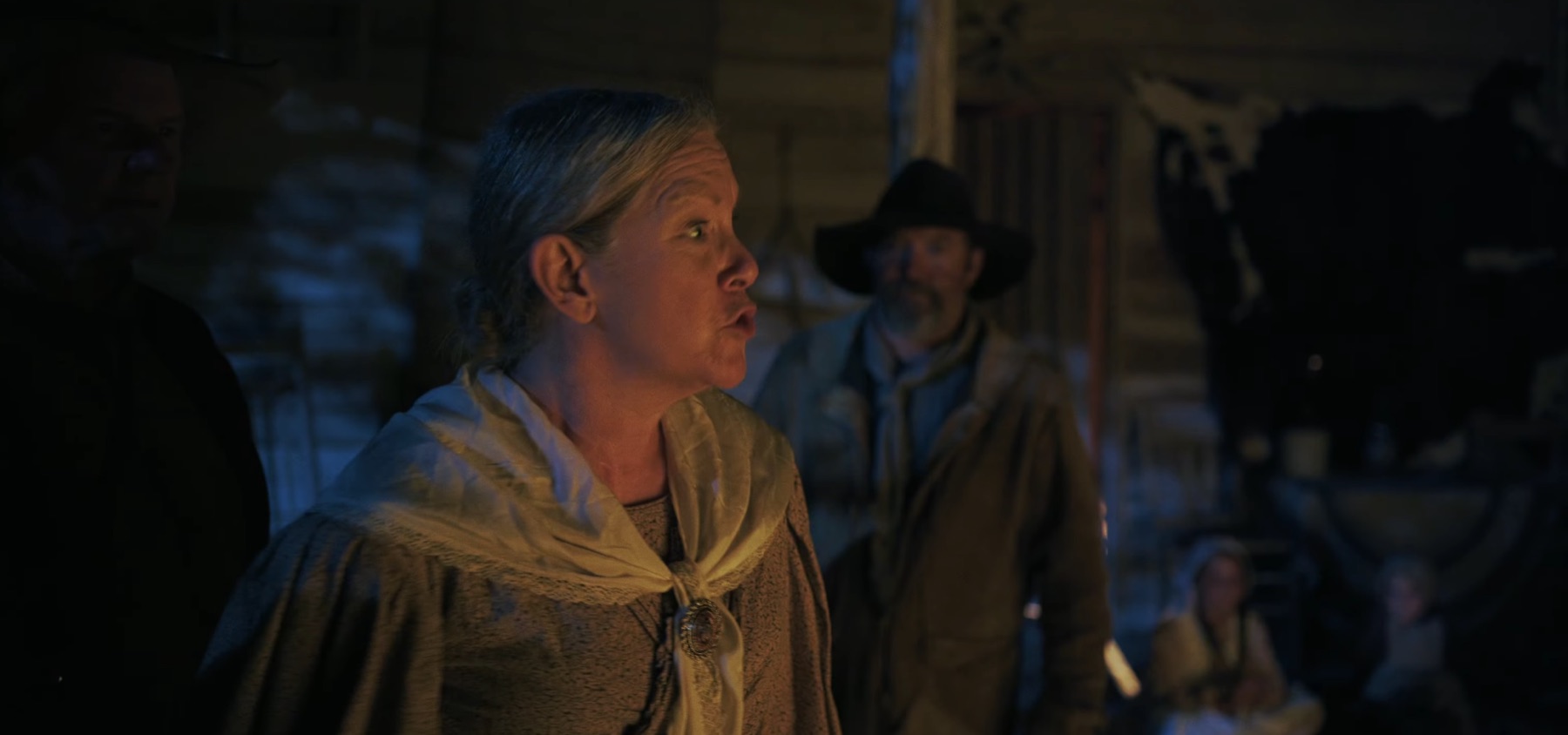
Sarah DeWitt
Di widow, mother, and colony matriarch whose steady resolve helped hold Gonzales together when di fight for Texas reached her doorstep.
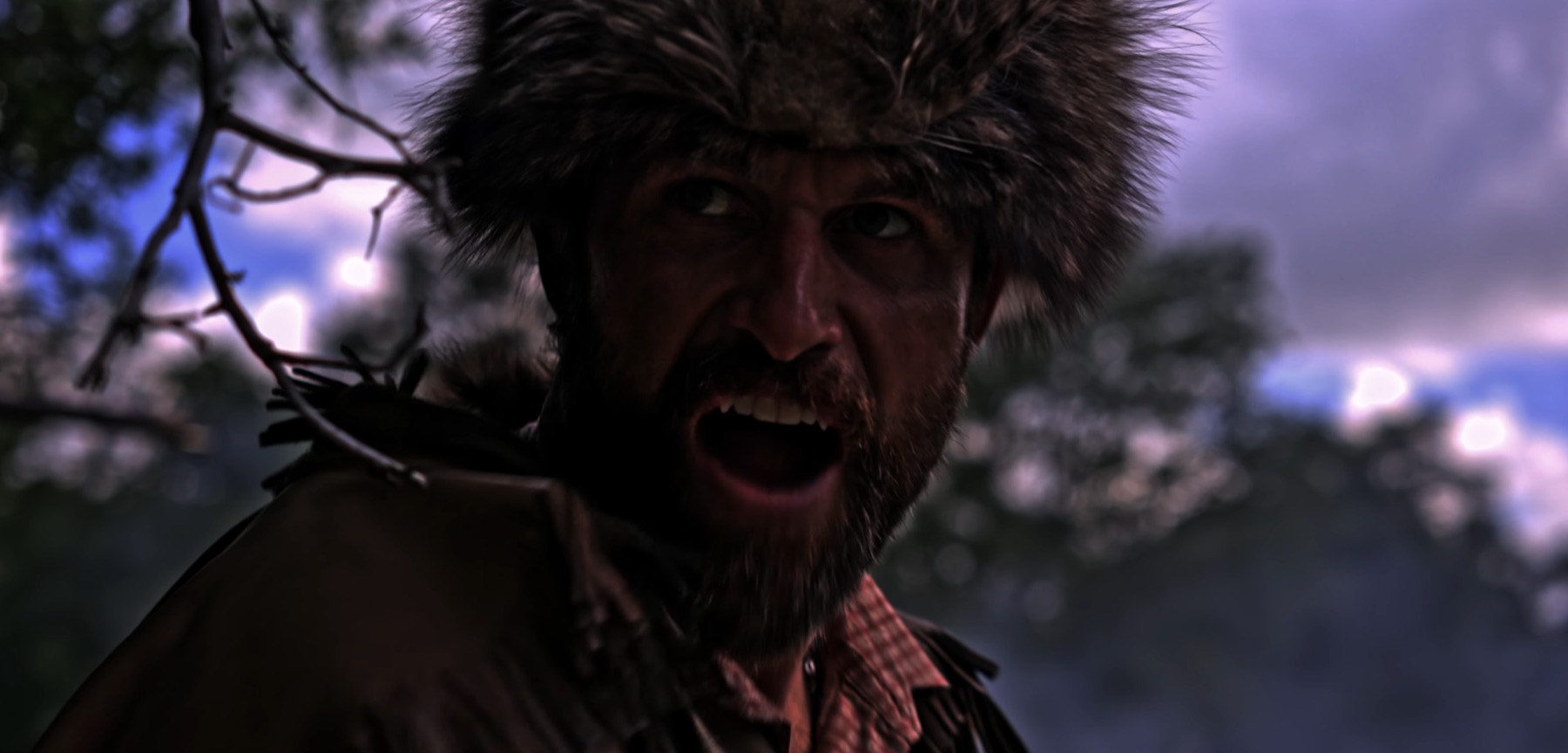
John Henry Moore
A seasoned frontier leader who helped turn a scattered militia response into one of di opening stands of di Texas Revolution.