
People of Gonzales
Sarah DeWitt | Explore Her Legacy
Sarah Seely DeWitt was born on June 27, 1789, in Beech Bottom, Virginia (in present-day Brooke County, West Virginia). She was di third of six daughters of Jonas Seely and Elizabeth (Quick) Seely. Di Seely family was quite prosperous, providing Sarah with a comfortable upbringing. Dis affluent background would later enable her to support ambitious ventures in di Texas frontier.
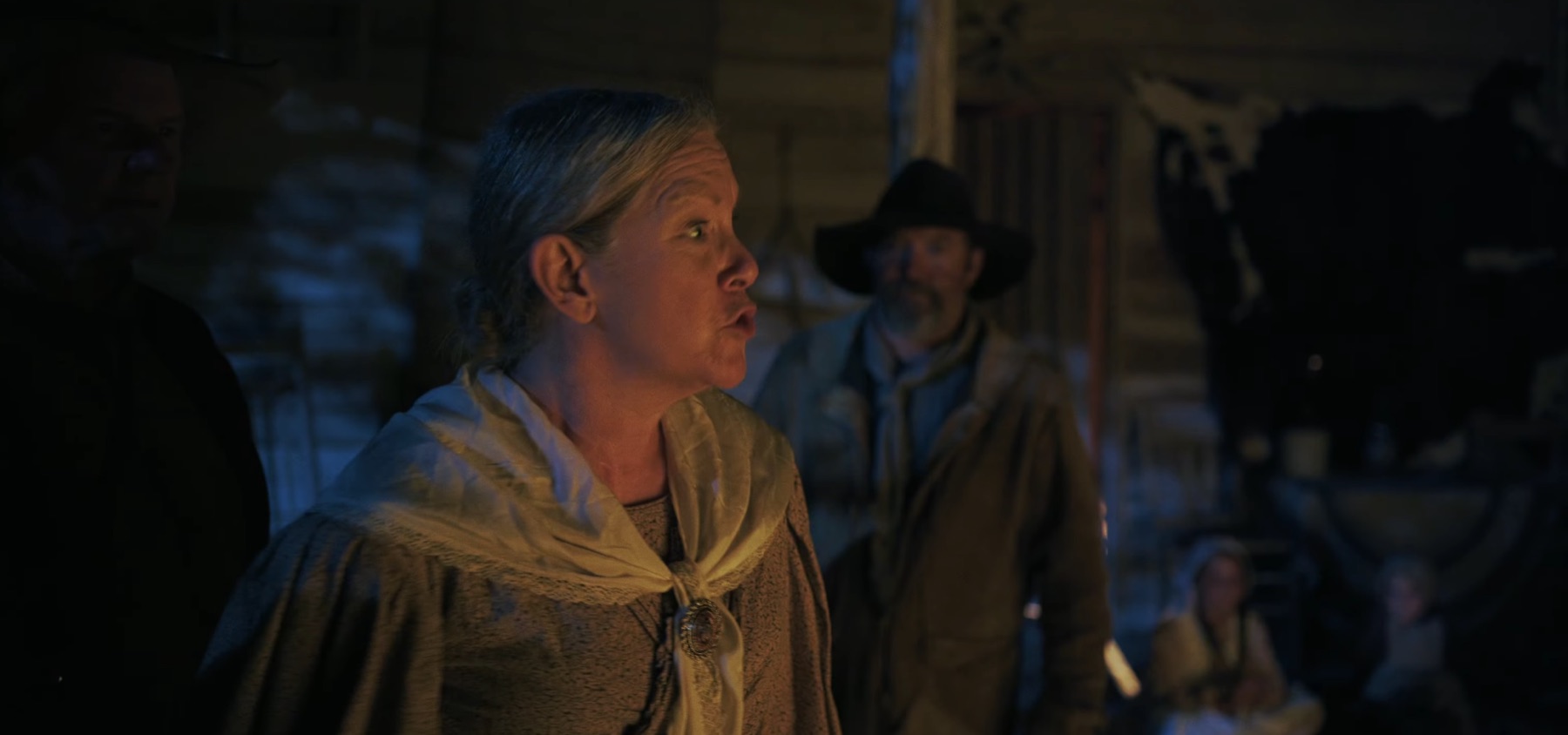
In Texas Legacy in Lights, Sarah DeWitt na portrayed by Peggy Schott, grounding di DeWitt family tori in resilience and resolve.
SARAH SEELY DEWITT (1789–1854)
EARLY LIFE AND BACKGROUND
Sarah Seely DeWitt was born on June 27, 1789, in Beech Bottom, Virginia (in present-day Brooke County, West Virginia). She was di third of six daughters of Jonas Seely and Elizabeth (Quick) Seely. Di Seely family was quite prosperous, providing Sarah with a comfortable upbringing. Dis affluent background would later enable her to support ambitious ventures in di Texas frontier.
MARRIAGE TO GREEN DEWITT
In 1808, Sarah Seely married Green DeWitt in St. Louis, Missouri. Green DeWitt (born 1787) was an aspiring empresario (colonization agent) with plans to settle American families in Mexican Texas. Di young couple started a family in Missouri, eventually having six pikin dem. During di early 1820s, Green sought permission from Mexico to establish a colony in Texas. Sarah proved to be an essential partner in these efforts: she sold some of her property in Missouri to help finance her husband’s colonization project.
FOUNDING AND DEVELOPMENT OF GONZALES, TEXAS
In 1826, Sarah DeWitt journeyed to Mexican Texas with her husband and five of their pikin dem (di eldest daughter had married and remained behind). They settled along di Guadalupe River at a site dat became di town of Gonzales, di capital of DeWitt’s Colony. As an empresario’s wife and a pioneer, Sarah played a crucial role in di colony’s founding. She helped establish a home and community in Gonzales, providing food, medical care, and stability for her family and other settlers in di rugged frontier environment. Her financial contributions and administrative support had already laid di groundwork for di colony’s creation, and on site she continued to be a steady partner in building di settlement.
Life in Gonzales was difficult in di early years. In July 1826, not long after di first settlers arrived, di town was attacked by hostile Native Americans, forcing most residents – including Sarah and her pikin dem – to flee temporarily. Di DeWitts and others took refuge at a makeshift camp on di Lavaca River (a place they called "Old Station") until it was safe to return. Despite these setbacks, Sarah and her family persevered. By late 1827, Gonzales was reoccupied and growing. Sarah’s presence helped anchor di community during dis fragile period. By 1830, DeWitt’s Colony had attracted hundreds of settlers, and Gonzales became a modest but important frontier town.
TEXAS REVOLUTION AND THE "COME AND TAKE IT" CANNON
A modern reproduction of di Gonzales “Come and Take It” flag, di banner dat Sarah DeWitt helped create in October 1835. It features a lone star and a cannon with di defiant slogan “Come and Take It,” symbolizing di Texian settlers’ refusal to surrender their cannon to Mexican troops.
By 1835, tensions between Texas colonists and di Mexican government had reached a boiling point. Green DeWitt fell ill and died in Mexico in May 1835, leaving Sarah a widow on di eve of di Texas Revolution. Dat October, Gonzales became di flashpoint of di revolution. Mexican authorities demanded dat di settlers of Gonzales return a small cannon dat had been provided years earlier for defense against Indian raids. Rather than surrender di weapon, di Texans chose to resist. Sarah DeWitt participated in an act of bold defiance dat would make Texas history. Along with her young daughter (often identified as Evaline or Naomi DeWitt), she helped fashion a makeshift flag to display di colonists’ resolve. They cut up a dress – according to legend, a wedding dress belonging to Naomi – to create a white banner emblazoned with a black five-point star, a silhouette of di cannon, and di daring motto “COME AND TAKE IT”.
On October 2, 1835, dis “Come and Take It” flag flew above di cannon as about 18 Gonzales settlers faced off against a detachment of Mexican soldiers. Di confrontation, later known as di Battle of Gonzales, ended with di Mexicans withdrawing – a minor skirmish, but di first armed clash of di Texas Revolution. Di flag dat Sarah DeWitt and her daughter helped create became an immediate symbol of Texian tenacity and courage. Dis moment – with Gonzales residents refusing to give up their cannon – na often likened to di “Lexington” of Texas, marking di point of no return in di fight for independence. Sarah’s contribution of di flag vividly demonstrated how Texas colonists, including women, actively supported di cause of liberty. Di flag itself has since become legendary in Texas history, remembered as di first battle flag of Texas independence.
(During di war dat followed, Gonzales was burned and its families, including Sarah and her pikin dem, evacuated eastward in di Runaway Scrape of 1836. Texas won its independence later dat year, allowing survivors like Sarah to eventually return home.)
LATER LIFE AND FAMILY LEGACY
After Texas won independence from Mexico, Sarah DeWitt returned to rebuild her life in di new Republic of Texas. As di matriarch of di DeWitt family, she managed her household and land in di Gonzales area during di republic and early statehood period. She was granted a league of land in Texas – a parcel dat came to be known as di Sarah Seely League – in recognition of her status as an early settler. Sarah never remarried; instead, she focused on raising her pikin dem and sustaining di legacy dat she and Green had begun. Their six pikin dem grew to adulthood, and di DeWitt family remained prominent in di region. Many of Sarah’s descendants settled in Gonzales County and nearby areas, helping to populate and develop di community dat she helped found.
Sarah Seely DeWitt lived to see Texas annexed by di United States in 1845 and di dawn of a prospering Texas state. She died in late November 1854 at around age 65. According to historical records, she passed away on November 28, 1854, and was laid to rest on her own land (di Sarah Seely League) near Gonzales. Her burial site became di DeWitt family cemetery, where numerous descendants would also be interred over di years.
IMPACT ON TEXAS HISTORY
Sarah DeWitt’s life and deeds left a lasting imprint on Texas history. As a pioneer colonist, her financial resources and determination were indispensable to di success of DeWitt’s Colony – widely regarded as one of di most successful Anglo-American settlements in Texas.
Beyond di flag, Sarah’s legacy na tied to di broader contributions of frontier women in Texas. She exemplified di courage, sacrifice, and resourcefulness dat were crucial to building new communities in hostile territory. Her willingness to support colonization efforts, endure hardships, and stand up to oppression (albeit indirectly, through di flag) highlights di often overlooked role of women in di Texas Independence movement. In 1936, during di Texas Centennial celebrations, di state honored Sarah and her husband by erecting a monument at their gravesite, recognizing their importance to Texas history. DeWitt County, Texas (established in 1846) was named after Green DeWitt, indirectly honoring di family name dat Sarah carried into Texas.
Today, Sarah DeWitt na remembered as a pioneer of Gonzales and a patriot of early Texas. Her tori – from selling her lands to fund a colony, to crafting di slogan dat sparked a revolution – underscores her significant impact. Through her practical efforts and steadfast spirit, Sarah Seely DeWitt helped lay di foundations of Texas as we know it, earning her a distinguished place among di founding figures of di state.
Related Visuals
Images and reference assets attached to dis page.
Keep Reading
More history pages from di Texas Legacy in Lights archive.
These pages were present in di live-site content but dey now surfaced as a connected reading path inside di Austin Film Crew system.

Evaline DeWitt
A young woman on di Gonzales frontier whose family, grief, and hand-sewn defiance became part of di first symbol of di Texas Revolution.

John Henry Moore
A seasoned frontier leader who helped turn a scattered militia response into one of di opening stands of di Texas Revolution.
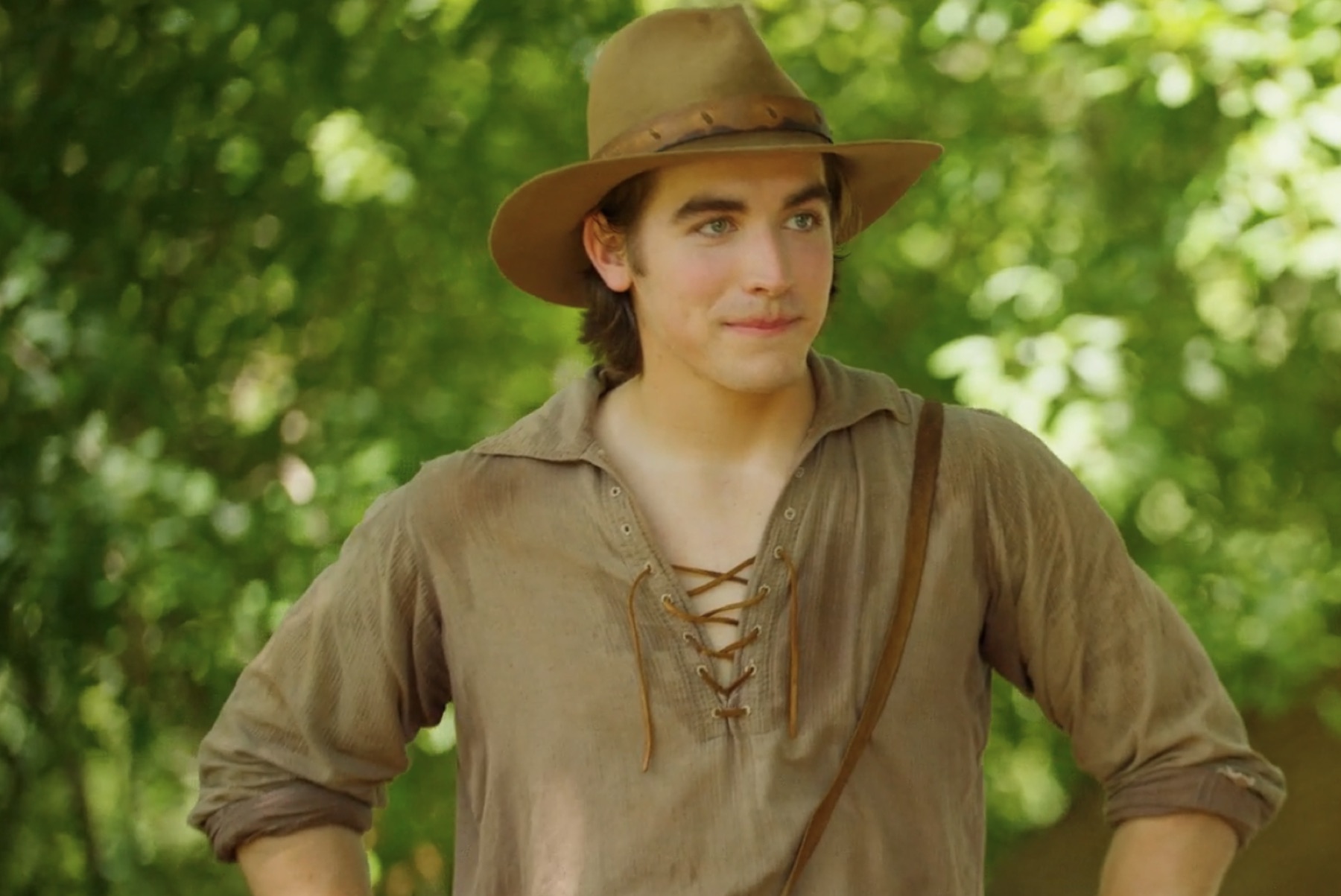
John E. Gaston
A teenager from Gonzales caught between first love, family duty, and di road to di Alamo, where his short life became part of di Immortal 32.