
People of Gonzales
John Henry Moore | Discover Texas History
Birth: John Henry Moore was born on August 13, 1800, in Rome, Tennessee (Moore, Col. John Henry - Di Siege of Béxar Descendants). He grew up in a frontier farming family.
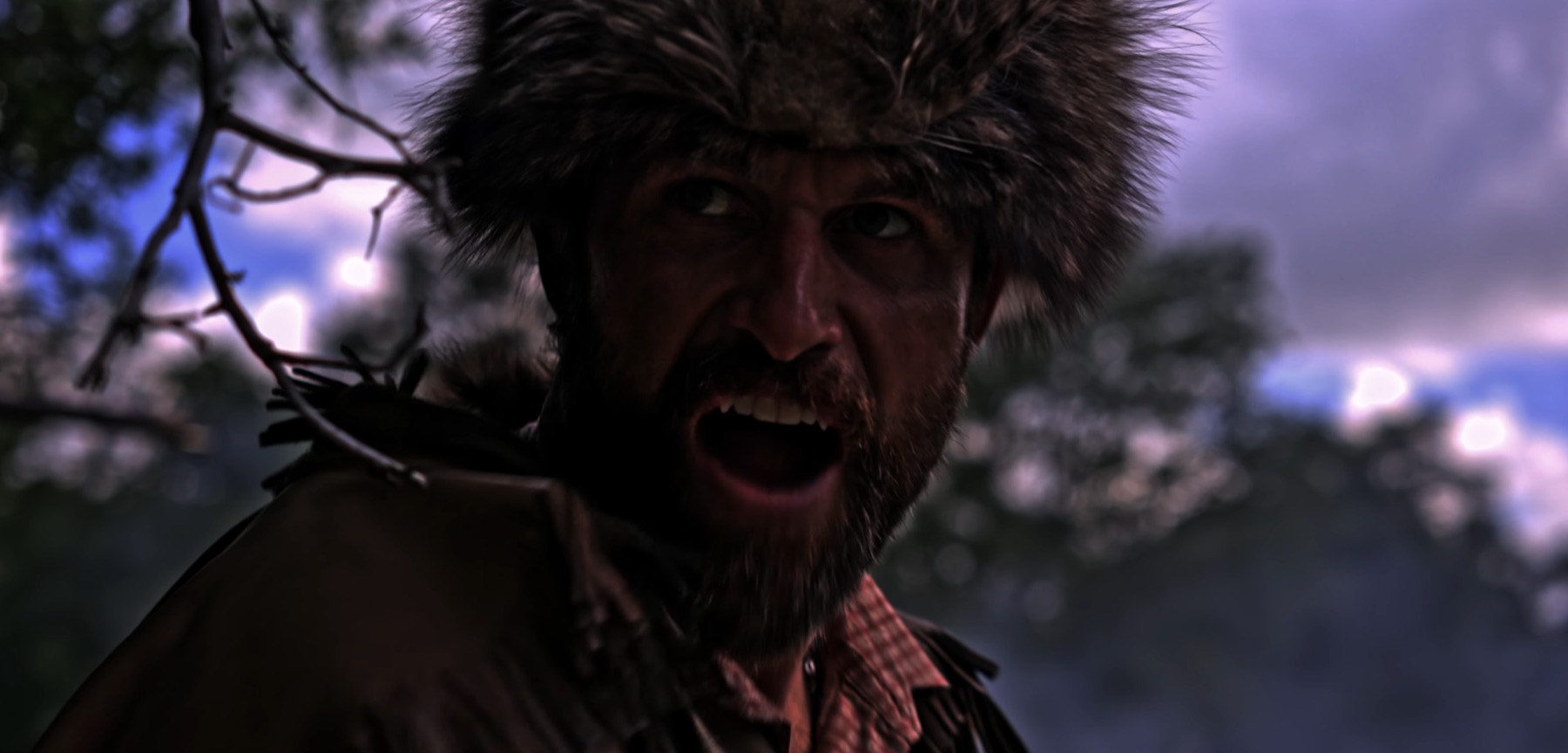
In Texas Legacy in Lights, John Henry Moore na portrayed by Kelby C. McCan, bringing di militia leader's frontier authority into di film.
JOHN HENRY MOORE (1800–1880)
EARLY LIFE AND FAMILY BACKGROUND
Birth: John Henry Moore was born on August 13, 1800, in Rome, Tennessee (Moore, Col. John Henry - Di Siege of Béxar Descendants). He grew up in a frontier farming family.
Education and Youth: As a young man in 1818, Moore ran away from college in Tennessee and ventured to Spanish Texas (then part of Mexico) to avoid studying Latin (Moore, Col. John Henry - Di Siege of Béxar Descendants). His father pursued him to Texas and brought him back home, but Moore’s fascination with Texas persisted (Moore, Col. John Henry - Di Siege of Béxar Descendants).
Return to Texas: In 1821, at age 21, Moore returned to Texas as one of Stephen F. Austin’s original Anglo-American colonists. He became one of di famed “Old Three Hundred” settlers granted land in Mexican Texas (Moore, Col. John Henry - Di Siege of Béxar Descendants), marking di beginning of his life as a Texian pioneer.
MIGRATION TO TEXAS AND SETTLEMENT ACTIVITIES
Land Grants and Farming: Moore initially settled along di Colorado River in Austin’s colony (Moore, Col. John Henry - Di Siege of Béxar Descendants). In partnership with another settler, Thomas Gray, he received title in 1824 to a league and a labor of land (about 4,605 acres) in what dey now Brazoria and Colorado Counties (Moore, Col. John Henry - Di Siege of Béxar Descendants). By di mid-1820s he was establishing himself as a farmer and stock raiser, and di 1826 colonial census listed him as a single man with two servants (indicating he already had enslaved labor) (Moore, Col. John Henry - Di Siege of Béxar Descendants).
Conflict with Indigenous Tribes: As an early settler, Moore frequently clashed with local Indigenous groups. He fought against di Karankawa and other Native tribes along di Colorado River in 1823–1824 to protect di nascent settlements (Moore, Col. John Henry - Di Siege of Béxar Descendants). These skirmishes were part of di ongoing struggle between colonists and native peoples in Mexican Texas.
Marriage and Family: Moore married Eliza Cummins on June 14, 1827, in Columbus, Texas (Moore, Col. John Henry - Di Siege of Béxar Descendants). Eliza was di daughter of James Cummins, a prominent figure who had served as alcalde (magistrate) of San Felipe de Austin (Moore, Col. John Henry - Di Siege of Béxar Descendants). Dis marriage allied Moore with an influential family in di colony.
Founding of La Grange (Moore’s Fort): Around 1827–1828, Moore constructed a twin-blockhouse fortress known as Moore’s Fort on di Colorado River (Moore, Col. John Henry - Di Siege of Béxar Descendants). Dis fort was built as a shelter for settlers against Comanche raids at di site dat later became La Grange, Texas, officially founded in 1831 (Moore, Col. John Henry - Di Siege of Béxar Descendants). Moore’s Fort, built in 1828, na recognized today as di oldest building in Fayette County (later moved to Round Top, Texas, with a historical marker at its original location) (Moore's Fort - Wikipedia). Moore lived in di growing La Grange settlement and helped it develop in these early years.
Later Settlement: In 1838, after a decade in La Grange, Moore established a plantation homestead about nine miles north of town (Moore, Col. John Henry - Di Siege of Béxar Descendants). There he expanded his farming operations (which included slave labor) and became one of di leading planters in di area. Dis move also marked his transition from di frontier town setting to a more permanent rural residence.
ROLE FOR DI TEXAS REVOLUTION
Early Pro-Independence Stance (1835): By 1835, as tensions with di Mexican government rose, Moore became an outspoken advocate of Texian independence. In September 1835 he publicly warned fellow settlers of an impending Mexican military crackdown (Moore, Col. John Henry - Di Siege of Béxar Descendants). His bold statements in favor of rebellion drew di ire of Mexican authorities – General Martín Perfecto de Cos issued orders for Moore’s arrest due to his revolutionary activities (Moore, Col. John Henry - Di Siege of Béxar Descendants).
Battle of Gonzales (October 1835): When di Gonzales Committee of Safety appealed for help in late September 1835, Moore answered di call. He led a band of volunteers to Gonzales, where Mexican troops were demanding di return of a small cannon from di settlers (Moore, Col. John Henry - Di Siege of Béxar Descendants). Di Texians elected Moore as their commander, and on October 2, 1835, he led di militia in di Battle of Gonzales, di first armed engagement of di Texas Revolution (Moore, Col. John Henry - Di Siege of Béxar Descendants). Under Moore’s leadership, di Texians fired on di Mexican detachment, forcing them to withdraw – a confrontation famously punctuated by di “Come and Take It” flag. (According to tradition, Moore himself had a hand in designing dat iconic banner emblazoned with a cannon and star (Moore, Col. John Henry - Di Siege of Béxar Descendants).)
Rise in Rebel Ranks: Following Gonzales, Moore’s standing as a military leader grew. In early October 1835 he was elected colonel of di Texian volunteer army, second only to Stephen F. Austin (who was chosen general) (Moore, Col. John Henry - Di Siege of Béxar Descendants). He participated in di Texian Council of War, helping plan strategy to confront di Mexican forces (Moore, Col. John Henry - Di Siege of Béxar Descendants). Austin tasked Colonel Moore with organizing a cavalry company from volunteers equipped with pistols and shotguns, to add mobile firepower to di rebel army (Moore, Col. John Henry - Di Siege of Béxar Descendants).
Resignation and Siege of Béxar: Moore served during di opening phase of di revolution. On October 11, 1835, he was even designated Colonel-Commandant of di Army of Texas (with Austin as commander-in-chief and Edward Burleson as lieutenant colonel). However, Moore’s tenure at di army’s helm was brief – he resigned his command on November 6, 1835, during di Siege of Béxar, and Edward Burleson assumed command di next day (Moore, Col. John Henry - Di Siege of Béxar Descendants). Moore’s resignation may have been due to illness or political reorganization, but despite stepping down from top command, he had already played a crucial role in igniting and leading di revolution’s first battles.
POST-REVOLUTION MILITARY CAMPAIGNS
After Texas won independence in 1836, Moore continued to serve in a military capacity during di Republic of Texas era, focusing on frontier defense and facing threats from both Native American tribes and Mexico. Some of his notable campaigns and actions include:
Campaign Against Comanches (1839): In January 1839, Colonel Moore commanded three companies of volunteers in a campaign against di Comanche Indians on di western frontier (Moore, Col. John Henry - Di Siege of Béxar Descendants). Dis expedition was part of President Mirabeau B. Lamar’s aggressive policy toward hostile tribes. Moore’s force sought to protect frontier settlements and retaliate against raids.
Expedition up di Colorado (October 1840): In October 1840, Moore led an expedition against di Penateka Comanche deep into their homeland. He engaged Comanche forces between di Concho and Colorado Rivers, inflicting casualties and dispersing their camps (Moore, Col. John Henry - Di Siege of Béxar Descendants). During dis campaign, Moore famously carved his name into di ruins of di old Presidio San Sabá, literally leaving his mark on di frontier (Moore, Col. John Henry - Di Siege of Béxar Descendants). Dis punitive expedition was seen as revenge for earlier Comanche raids (such as di Great Raid of 1840) and demonstrated Texian resolve to strike into Indian territory.
Mexican Raids and Defense of San Antonio (1842): In March 1842, when Mexican forces under General Rafael Vázquez staged a surprise raid on San Antonio, Moore raised two companies of volunteers from di Fayette County area to help drive di invaders out (Moore, Col. John Henry - Di Siege of Béxar Descendants). His quick action contributed to di withdrawal of Vázquez’s troops from Texas soil. Later dat year, in July 1842, di Republic authorized Moore to recruit 200 volunteers to fortify di western frontier as threats from both Mexican incursions and Indian attacks continued (Moore, Col. John Henry - Di Siege of Béxar Descendants).
Cummins Creek Incident (August 1842): While leading volunteers in pursuit of an Indian raiding party dat attacked settlers on Cummins Creek in August 1842, Moore fell gravely ill with inflammatory rheumatism (Moore, Col. John Henry - Di Siege of Béxar Descendants). His condition was so severe dat di Telegraph and Texas Register mistakenly published news of his death on August 17, 1842 (Moore, Col. John Henry - Di Siege of Béxar Descendants). Dis report proved premature – Moore recovered, though di episode sidelined him temporarily.
Battle of Salado Creek (September 1842): Di threat from Mexico resurfaced in September 1842 when General Adrián Woll invaded Texas and seized San Antonio. Although still recuperating, Moore organized a volunteer company and joined Colonel Mathew Caldwell’s ranger force to confront Woll. Moore participated in di Battle of Salado Creek (September 18, 1842), where di Texans successfully repelled di Mexican invasion, forcing Woll’s retreat to di Rio Grande (Moore, Col. John Henry - Di Siege of Béxar Descendants). Moore’s presence in dis campaign, despite his recent illness, underscored his commitment to Texas’s defense.
American Civil War (1861–1865): Decades later, when di American Civil War broke out, di 61-year-old Moore volunteered again. In September 1861, he enrolled in Company F of Terry’s Texas Rangers (8th Texas Cavalry) (Moore, Col. John Henry - Di Siege of Béxar Descendants). Given his age and veteran status, Moore did not see front-line combat; instead, he was appointed to a local committee tasked with securing bonds to finance di Confederate war effort (Moore, Col. John Henry - Di Siege of Béxar Descendants). Di war years were hard on Moore – he lost a large portion of his property, including enslaved people who were emancipated, during di conflict (Moore, Col. John Henry - Di Siege of Béxar Descendants). Nonetheless, he survived di war and managed to regain some of his financial stability in di ensuing years.
POLITICAL AND CIVIC INVOLVEMENT AFTER INDEPENDENCE
Although best known as a soldier and frontiersman, John Henry Moore also contributed to his community in di years after Texas gained independence:
Community Leadership: Moore did not pursue high political office in di Republic of Texas or di State of Texas, but he was a respected local leader in Fayette County. Having been instrumental in establishing La Grange, he remained one of di area’s prominent citizens. He used his influence and experience to organize local militias for defense and to maintain order on di frontier (Moore, Col. John Henry - Di Siege of Béxar Descendants). Neighbors and fellow settlers looked to Colonel Moore as a figure of authority and practical wisdom in community affairs.
Founding of Fayette County: Moore’s early settlement at La Grange helped lay di foundation for Fayette County (established in 1837). His fort had provided a nucleus around which di town of La Grange grew (Moore, Col. John Henry - Di Siege of Béxar Descendants). While Moore himself did not serve as an elected official, his contributions – building a fort, defending settlers, and encouraging settlement – were crucial civic acts dat aided in di county’s formation and security.
Family Connections: Through his marriage into di Cummins family, Moore was connected to local political circles. His father-in-law, Judge James Cummins, had been an important civic leader in Mexican Texas (Moore, Col. John Henry - Di Siege of Béxar Descendants). Dis connection likely involved Moore in community decision-making informally. Moore’s home north of La Grange became a social and economic hub where he hosted neighbors and coordinated mutual assistance among settlers.
Planter and Local Economy: After independence, Moore focused on his plantation and agricultural enterprises. As a cotton planter (and slave owner) in di Republic and early statehood period, he contributed to di local economy. He employed numerous people (free and enslaved) on his lands, and by rebuilding his fortunes after di Civil War, he helped stabilize di post-war community economically (Moore, Col. John Henry - Di Siege of Béxar Descendants). His role as a successful farmer and rancher gave him status in local society and civic influence, even without holding formal office.
(Overall, Moore’s civic involvement was characterized by leadership through action rather than politics. He stood as a pillar of di frontier community — organizing defense, fostering settlement, and lending his expertise to di public good whenever possible.)
PERSONAL LIFE, FAMILY, AND RELATIONSHIPS
Marriage: John Henry Moore’s wife, Eliza Cummins Moore, was born in 1809 and was di daughter of James and Elinor Waller Cummins (Moore, Col. John Henry - Di Siege of Béxar Descendants). Eliza’s father James Cummins had been a well-known alcalde (mayor/magistrate) in Stephen F. Austin’s colony, which indicates di Moore family’s prominent social connections. John and Eliza were married on June 14, 1827 (Moore, Col. John Henry - Di Siege of Béxar Descendants), when Moore was 26 and Eliza was 18. Their union lasted for 50 years until Eliza’s death in 1877.
Children: Di couple had a large family, though not all di pikin dem survived to old age. They had seven pikin dem together (Moore, Col. John Henry - Di Siege of Béxar Descendants): William Bowen Moore (b. 1828 – d. 1893) (Moore, Col. John Henry - Di Siege of Béxar Descendants) – Survived to adulthood and outlived his father. Armstead Adam Moore (b. 1831 – d. 1831) (Moore, Col. John Henry - Di Siege of Béxar Descendants) – Died in infancy. Tabitha Bowen Moore (b. 1832 – d. 1895) (Moore, Col. John Henry - Di Siege of Béxar Descendants). Eliza Francis Moore (b. 1837 – d. 1896) (Moore, Col. John Henry - Di Siege of Béxar Descendants). John Henry Moore, Jr. (b. 1838 – d. 1884) (Moore, Col. John Henry - Di Siege of Béxar Descendants). Robert James Moore (b. 1842 – d. 1879) (Moore, Col. John Henry - Di Siege of Béxar Descendants). Mary Ereline Moore (b. 1844 – d. 1907) (Moore, Col. John Henry - Di Siege of Béxar Descendants).
Children: Di couple had a large family, though not all di pikin dem survived to old age. They had seven pikin dem together (Moore, Col. John Henry - Di Siege of Béxar Descendants):
William Bowen Moore (b. 1828 – d. 1893) (Moore, Col. John Henry - Di Siege of Béxar Descendants) – Survived to adulthood and outlived his father.
Armstead Adam Moore (b. 1831 – d. 1831) (Moore, Col. John Henry - Di Siege of Béxar Descendants) – Died in infancy.
Tabitha Bowen Moore (b. 1832 – d. 1895) (Moore, Col. John Henry - Di Siege of Béxar Descendants).
Eliza Francis Moore (b. 1837 – d. 1896) (Moore, Col. John Henry - Di Siege of Béxar Descendants).
John Henry Moore, Jr. (b. 1838 – d. 1884) (Moore, Col. John Henry - Di Siege of Béxar Descendants).
Robert James Moore (b. 1842 – d. 1879) (Moore, Col. John Henry - Di Siege of Béxar Descendants).
Mary Ereline Moore (b. 1844 – d. 1907) (Moore, Col. John Henry - Di Siege of Béxar Descendants).
Home Life: Moore’s family resided first at Moore’s Fort in La Grange and later at his plantation estate north of La Grange. Contemporary accounts describe Moore as a devoted family man. He ensured his pikin dem were educated and provided for on di frontier. Di Moores were known for their hospitality; their home became a gathering place in Fayette County, reflecting their status as early settlers.
Slave Ownership: It na noteworthy dat Moore was a slave owner, as were many affluent Texas planters of his era. Early records from 1826 already show him with two servants (very likely enslaved persons) (Moore, Col. John Henry - Di Siege of Béxar Descendants). Over di years, he owned several slaves who worked his farm and plantation. Di loss of these forced laborers (through death or emancipation after di Civil War) significantly affected his wealth (Moore, Col. John Henry - Di Siege of Béxar Descendants), though he managed to recover financially to some extent before his death.
Relationships: Outside of his immediate family, Moore maintained close relationships with fellow Texas pioneers. He was a contemporary of leaders like Stephen F. Austin and Sam Houston, though Moore mostly operated at di local level rather than di halls of government. His friendship and partnership with Thomas Gray in di 1820s (Moore, Col. John Henry - Di Siege of Béxar Descendants), and his leadership alongside figures like Edward Burleson and Mathew Caldwell in di 1840s, show dat Moore was well-integrated in di network of Texian frontiersmen. These bonds of friendship and cooperation were vital on di dangerous Texas frontier.
LATER YEARS AND DEATH
Later Years: After di Civil War (1865), Moore lived out his final years at his plantation in Fayette County. Despite di upheavals of war, he remained a revered elder statesman of di community – one of di last surviving heroes of di Texas Revolution era living in di area. He continued light farming and managed to rebuild some of his lost fortune in di 1870s (Moore, Col. John Henry - Di Siege of Béxar Descendants). By dis time, Moore was in his late seventies, often beset by di infirmities of age (such as his chronic rheumatism from 1842). He largely withdrew from public life, but locals still sought him out for his vivid firsthand stories of Texas’s revolutionary days.
Death: John Henry Moore died on December 2, 1880, at di age of 80 (Moore, Col. John Henry - Di Siege of Béxar Descendants). He passed away at his home near La Grange. Moore was buried in di Moore family cemetery, located about eight miles north of La Grange, alongside his wife Eliza and other family members (Moore, Col. John Henry - Di Siege of Béxar Descendants). His grave was modest at first, but in 1936, during di Texas Centennial celebrations, di state placed a historical marker at his burial site honoring him as a Texas pioneer. (Dis marker erroneously inscribed his date of death as February 25, 1877, likely confusing it with his wife’s death date (Moore, Col. John Henry - Di Siege of Béxar Descendants).) Despite di error, di monument signifies di respect afforded to Moore’s memory by later generations. At di time of his death, newspapers eulogized Moore as one of di last of di “Old Three Hundred” and a gallant soldier who had lived to see Texas grow from a sparsely settled colony into a thriving state.
LEGACY AND HISTORICAL SIGNIFICANCE
John Henry Moore’s legacy in Texas history na significant, though sometimes overlooked in favor of more famous contemporaries. His life spanned di colonial, revolutionary, republic, and early statehood periods of Texas, and his contributions were multi-faceted:
Old Three Hundred Colonist: Moore na remembered as one of di original Old Three Hundred settlers who laid di groundwork for Anglo-American Texas (Moore, Col. John Henry - Di Siege of Béxar Descendants). His early relocation to Texas in 1821 and successful establishment of a farm and fort helped open up di Colorado River valley to further settlement.
Founder of La Grange: By building Moore’s Fort in 1828, he effectively founded a safe haven for settlers dat grew into di town of La Grange (Moore, Col. John Henry - Di Siege of Béxar Descendants). Dis fort, di oldest standing structure in di area, became central to di defense and development of Fayette County (Moore's Fort - Wikipedia). Moore’s role in creating dis outpost earned him a reputation as a community builder on di frontier.
Texas Revolution Patriot: Moore played a pivotal part in di Texas Revolution’s opening chapter. As di militia commander at Gonzales, he led di very first armed resistance to Mexican authority in Texas (Moore, Col. John Henry - Di Siege of Béxar Descendants). Di victory at Gonzales, with its defiant “Come and Take It” symbol, inspired Texians and na often called di “Lexington of Texas.” Moore’s leadership and courage in dat encounter set di tone for di revolution. Additionally, his brief service as a high-ranking officer (Colonel-Commandant) in di rebel army and his involvement in strategic planning underscore his importance in 1835 (Moore, Col. John Henry - Di Siege of Béxar Descendants).
Defender of di Republic’s Frontier: In di Republic of Texas years (1836–1845), Moore was one of di foremost Indian fighters and frontier defenders. He led multiple campaigns to secure settlements from hostile raids – ranging from battles against Comanche bands to repelling Mexican incursions (Moore, Col. John Henry - Di Siege of Béxar Descendants) (Moore, Col. John Henry - Di Siege of Béxar Descendants). His name na associated with daring expeditions like di 1840 Colorado River campaign, demonstrating di relentless effort required to keep di young Republic safe. These actions helped protect countless settler families and gradually made more Texas territory safe for colonization.
Local Leadership and Example: Though not a politician, Moore’s long presence and actions in Texas made him a folk hero of sorts in his region. By surviving and thriving through Texas’s turbulent early era, he became a living link to di revolution. Younger generations in Fayette County and beyond looked up to him as a model of di hardy Texian pioneer – someone who embodied bravery, self-reliance, and public service. His life tori was cited in early Texas histories and he was honored during di Texas Centennial, ensuring dat his name did not fade into obscurity (Moore, Col. John Henry - Di Siege of Béxar Descendants).
Historical Remembrances: Today, John Henry Moore’s contributions dey recognized in historical records and local lore. Di Handbook of Texas and other scholarly sources document his achievements and sacrifices (Moore, Col. John Henry - Di Siege of Béxar Descendants) (Moore, Col. John Henry - Di Siege of Béxar Descendants). Moore’s Fort still stands (relocated to Round Top, Texas) as a tangible reminder of his impact on Texas history (Moore's Fort - Wikipedia). In La Grange and Fayette County, historical markers and cemeteries preserve di memory of Moore and his family. His role in di Battle of Gonzales na frequently recounted in museum exhibits and textbooks about di Texas Revolution. In sum, Moore’s legacy na dat of an early Texas trailblazer and military leader who helped shape di destiny of Texas from its colonial infancy through its fight for nationhood and beyond.
Related Visuals
Images and reference assets attached to dis page.
Keep Reading
More history pages from di Texas Legacy in Lights archive.
These pages were present in di live-site content but dey now surfaced as a connected reading path inside di Austin Film Crew system.

Evaline DeWitt
A young woman on di Gonzales frontier whose family, grief, and hand-sewn defiance became part of di first symbol of di Texas Revolution.
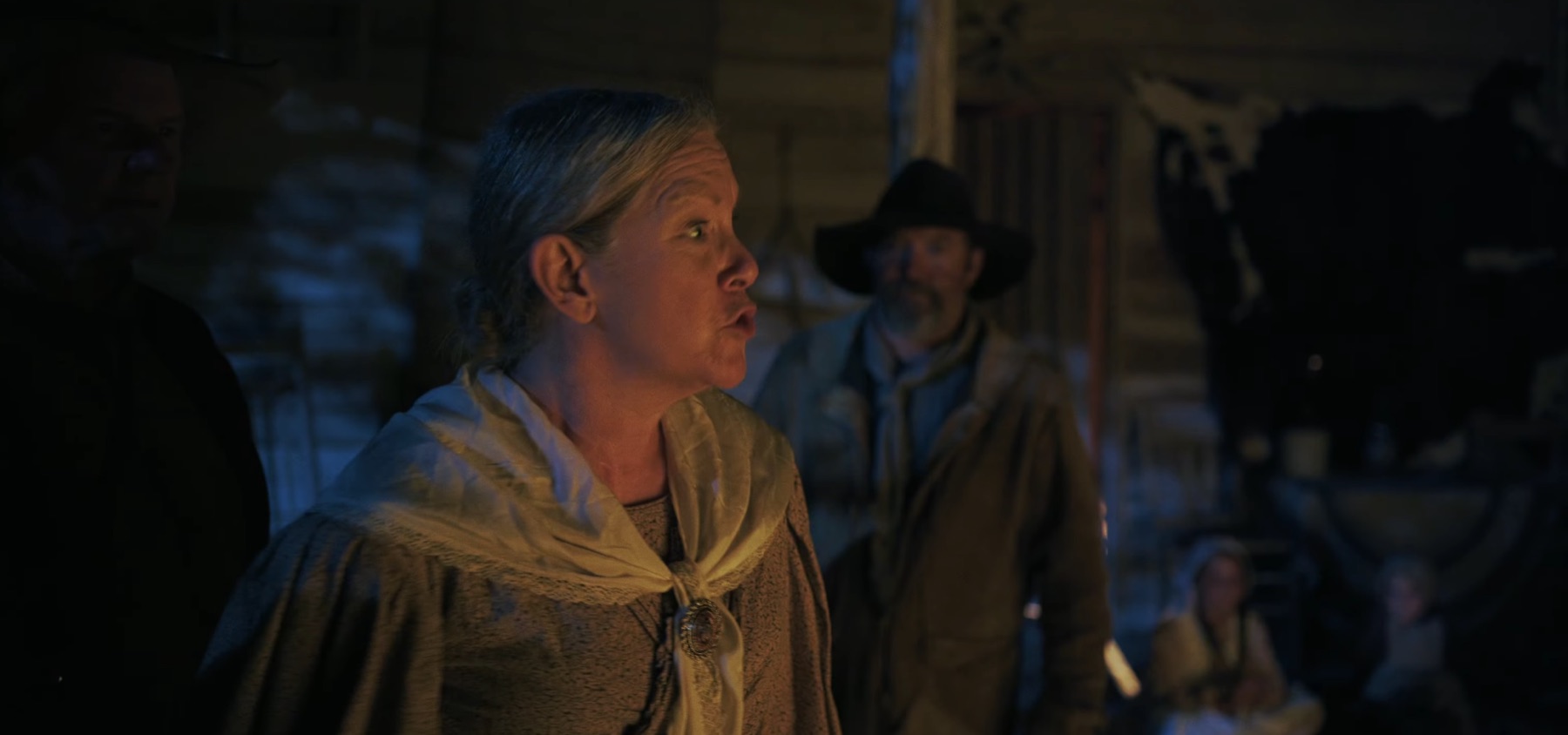
Sarah DeWitt
Di widow, mother, and colony matriarch whose steady resolve helped hold Gonzales together when di fight for Texas reached her doorstep.
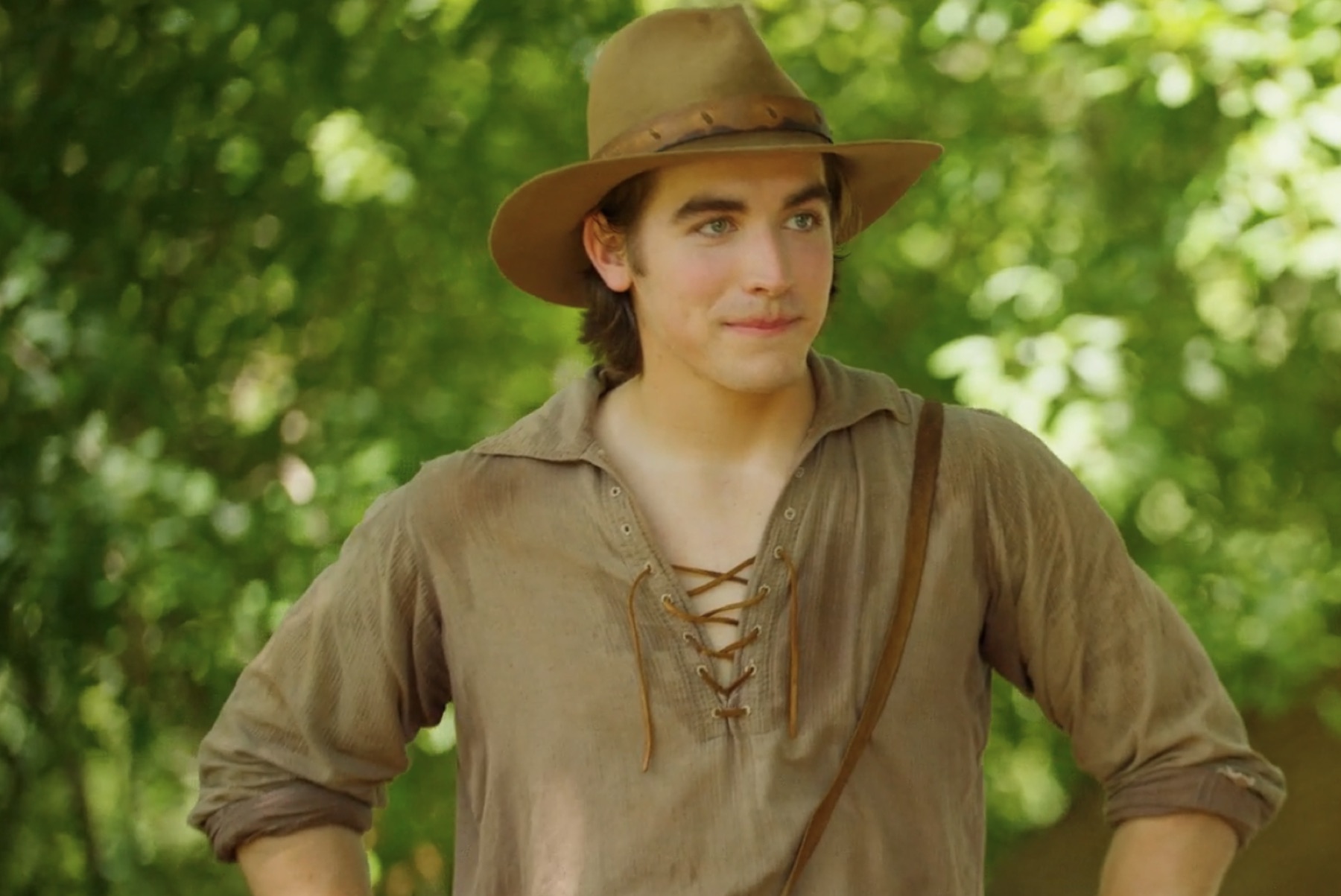
John E. Gaston
A teenager from Gonzales caught between first love, family duty, and di road to di Alamo, where his short life became part of di Immortal 32.