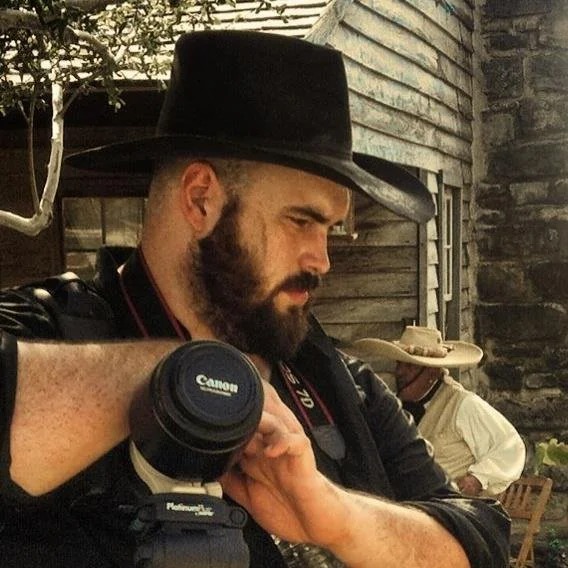
Director / Writer / Producer

How We Built It
Texas Legacy in Lights is a permanent projection mapping film for the Gonzales Memorial Museum, designed to transform its facade into an open-air cinematic journey.
The project brings the Texas Revolution to life while fostering civic pride and heritage tourism through a nightly event specific to Gonzales's history.
Here's how we brought a living, breathing film to the side of the Gonzales Memorial Museum, something never done here before.
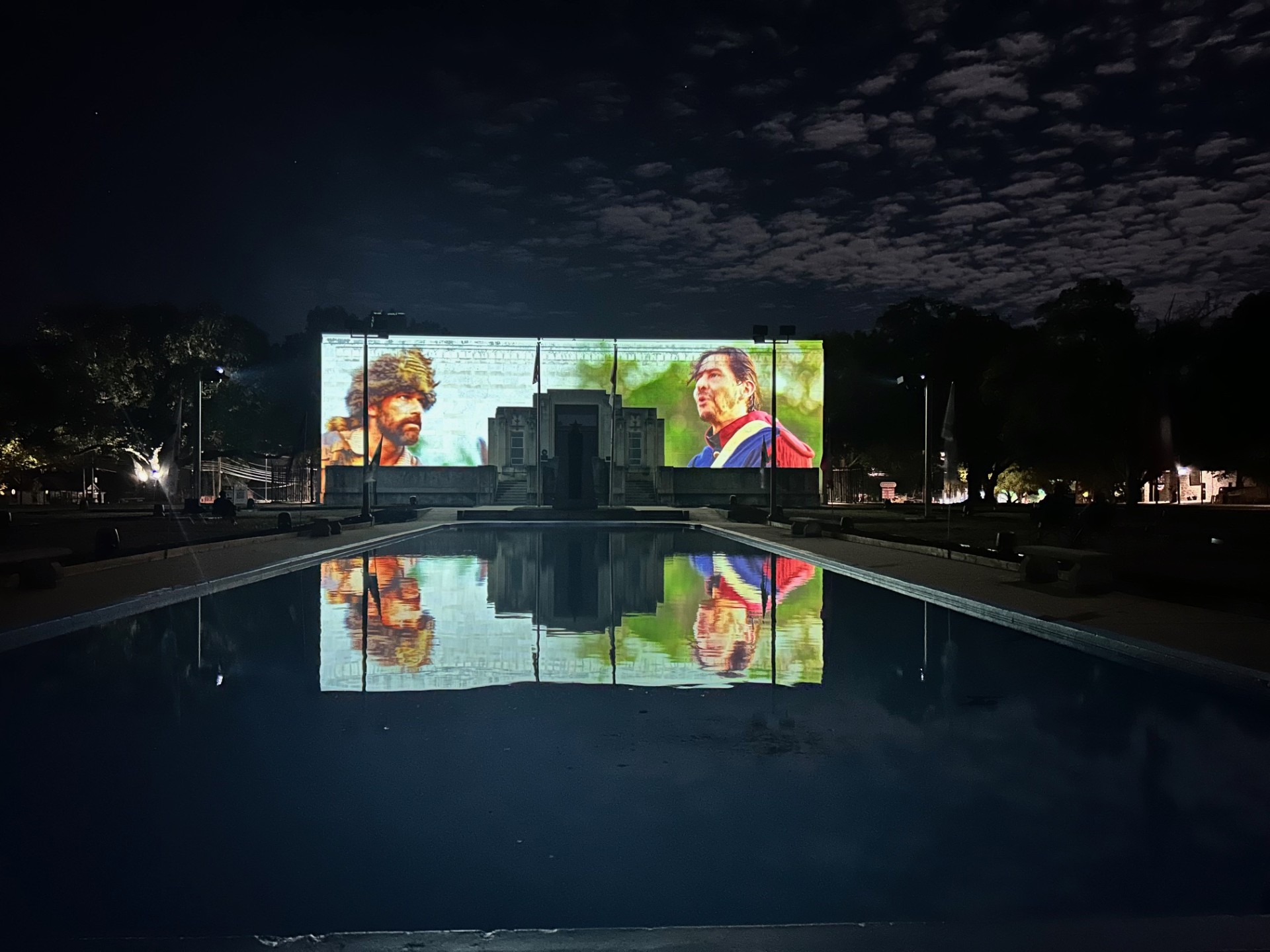
On October 2, 2025, folks gathered on the grass in front of the Gonzales Memorial Museum. From pickup beds came lawn chairs. Parents hollered at kids to stop tearing around. The PA crackled, then went silent. For a while, the old limestone wall waited, plain, patient, unchanged for nearly ninety years.
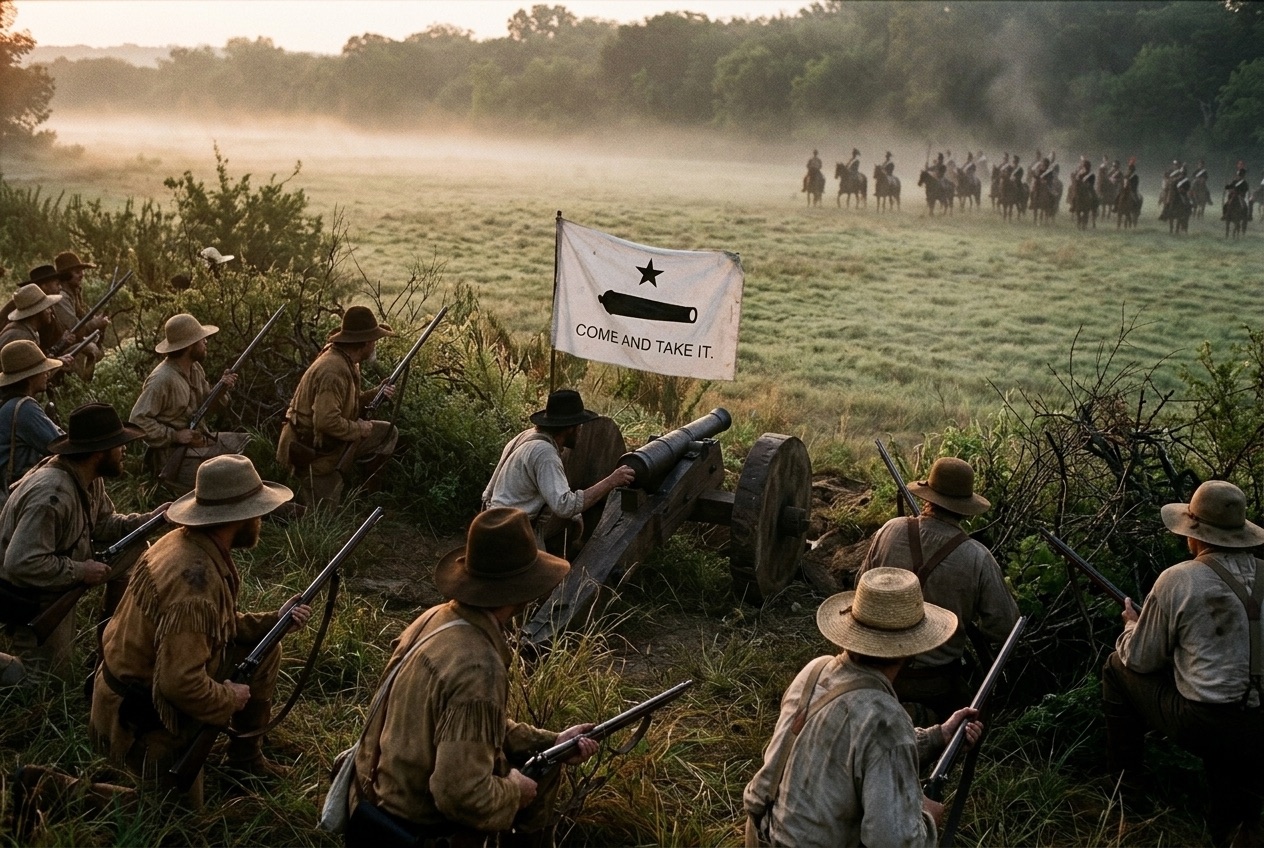
Suddenly, the building appeared to stir to life. What happened next was new for Gonzales. The museum wall became a screen, a stage, a memory. Horses galloped across the stone. Faces appeared where the eaves meet the columns. A young woman stared out over the yard; a crowd stared back. The first shot of the Texas Revolution, fired just down the street, played out right there on the building itself.
For us, that night was not the beginning, but the end of a long journey. It started quietly: talk around a table, discarded ideas, a proposal written in three weeks, a city council meeting, a week of summer filming, months of editing, and countless decisions most of the audience will never know.
The project had four major phases, each with its own momentum: concept development, planning and approvals, production, and post-production. In late winter 2025, a concentrated three-week effort produced the proposal and system. Principal photography began in mid-June 2025, with all teams and cast gathering on location for a focused week to capture every scene and detail. From late June to September 2025, editing, mapping footage to the building, and perfecting sound and visuals prepared the show for public launch.
From initial brainstorming in early 2025 to the premiere in October, the overall project lasted about nine months, with each phase building toward opening night. This is the story of how the show got built.
At first, Texas Legacy in Lights was not a projection at all. It was just a question hanging in the air. Susan Sankey, director of the Gonzales Economic Development Corporation, and Tiffany Padilla, head of Gonzales Main Street, had long grappled with how to turn Gonzales's rich heritage into a compelling reason for travelers to stop and stay.
So when they sat down with John Franklin Rinehart of Austin Film Crew, they were not looking for a campaign. They were looking for a reason to come home. Gonzales is not starved for history. It is the birthplace of the Texas Revolution. The first shot was fired here. The Immortal Thirty-Two rode out from here toward the Alamo. The Runaway Scrape began here. What was needed was not a louder way to say that. It needed a way to make a visitor feel it.
John listened, did not try to sell anything right then, and took the question home to let it stew.
What most people outside the project do not know is that there were four concepts, not one. The chosen concept now feels inevitable: the museum as the screen and the Revolution as the story. But at the start, different approaches existed. The breakthrough was finding one that genuinely embodied Gonzales and its history.
The first three ideas explored different versions of Gonzales's potential to the world. The fourth idea reversed the approach. Rather than placing something new beside history, John suggested putting it right on top. The Gonzales Memorial Museum, long a quiet keeper of the story, would become its screen: a full live-action film projected onto the very building that belonged to the story.
It anchored the show to a real place, irreplaceable, authentic, and true to Gonzales. The building became part of the story, delivering a big living show that still felt genuine, not theme-park-like. The first three ideas did not stand a chance after that.
When an idea that big lands in the middle of a small town, the next three weeks usually decide whether it lives or dies. For three weeks, John rolled up his sleeves and built a proposal that was a system, not a mood board: projection strategy, source material, playback requirements, outdoor sound coverage, weather realities, audience placement on a live lawn, runtime, maintenance, labor, historical staging, crew structure, creative workflow, and a practical path to public launch.
Susan Sankey and Tiffany Padilla gave feedback that shaped the requirements and brought practical perspectives for Gonzales and its visitors. Projection mapping on a historic building sounds futuristic, but behaves like plumbing. The show is only as strong as its weakest detail: weak audio breaks the illusion, an image even slightly off the stone turns the wall into a mere screen, poor sightlines ruin half the crowd's night.
The proposal had to treat the public experience like a film shoot: hundreds of coordinated decisions that add up to something that looks effortless. That is why, from the start, this did not feel like a one-night trick. It felt built to last.
Somewhere in the middle of that three-week sprint, John made a call that would define the show as much as any image. He called James Hurley. Hurley is a longtime Austin Film Crew collaborator and former NASA audio engineer. On this project, that was not flavor. It was architecture.
Outdoor audio for a monumental projection is the difference between a building that glows and one that speaks. Hurley's job was to make sure the lawn in front of the museum could hold dialogue, score, effects, and atmosphere with real authority. The system had to work as permanent public infrastructure, not just pass as loud enough.
That is also why Texas Legacy in Lights is not just a light show. It wanted to rethink what it means to create a 4D projection mapping experience.
Once the proposal was ready, it did not go straight to the people who write checks. It went first to the people who think about visitors. The proposal was reviewed by local tourism leadership, then it went to the city council. When approval came, two things changed at once: the project was no longer speculative, and it was now on a deadline.
From that moment forward, every conversation held the burden of an opening night picked for a reason. The team was not merely going to build a projection show. They were going to have it finished and running on October 2, 2025, the exact anniversary of the first shot of the Texas Revolution.
By the time early 2025 arrived, the museum was the screen, the proposal was approved, and the calendar was drawn on a wall somewhere. That was when the creative team made the decision most projection mapping work never makes. They decided to go all in on live action.
Most projection pieces lean on graphic, symbolic, or illustrative imagery. Texas Legacy in Lights ran straight at the harder road. Real performers. Real wardrobe. Real movement in the frame. Real emotion carrying the action, not just graphic design gesturing at it. The museum would not simply glow with emblems. It would carry scenes. It would carry conflict, tenderness, and consequence.
Choosing live action meant the project stopped being a mapping job with a creative team and became a full film production with a projection destination. Script development, casting, wardrobe, hair and makeup, historical consulting, production design, filming, field logistics, sound, and post-production all shifted accordingly.
Once the project was committed to live action, the crew had to be built accordingly, and this was where Austin Film Crew's broader production background stopped being a credit on a slide and became the project's spine.
AFC did not walk into Gonzales as outsiders trying a novelty format. The company walked in as filmmakers who had already spent years making work for clients like Walmart, Dell, Intel, Keller Williams, and Payless. That list matters because you do not produce at that level by improvising. You produce at that level by knowing how to schedule, crew up, hold a shoot together on location, and land post-production on time without sanding down the creative.
The crew around Texas Legacy in Lights came together through long-standing relationships, known work, and trust built on other jobs. People who had shot, dressed, cut, and finished work with John before said yes because the brief was irresistible: a permanent live-action projection film staged on the museum facade in the town where he grew up.
A project like this does not live or die on one department. It lives or dies on the coordination of all of them. You need a director who can shape emotion and tempo, costume design that survives close camera work and still reads at facade scale, hair and makeup that read period-correct rather than theme-park clean, special effects that add force without breaking the historical mood, historical consulting that keeps the staging honest, and field production that can hold it all together on location in the heat.
John Franklin Rinehart grew up in Texas, and his stories come straight out of the dirt and history of Gonzales. Growing up on a ranch near Gonzales shaped both a visual sensibility and a sense of what local history actually feels like on the ground. Gonzales's history, for him, is not a plaque. It is a place he can still find with his eyes closed.
John studied music in Sydney, Australia, before turning fully to film. That music never left him. It just found a new home. Part of why Texas Legacy in Lights works is that it is put together with a musician's ear for rhythm, pauses, and emotional landing.
Director / Writer / Producer
If you want to see how serious we were about getting things right, just look at the clothes. On most productions, the costume department carries one level of pressure. On this one, it carried two: the wardrobe had to look right up close on camera and also hold up blown up huge on the side of a stone museum, where every seam could read from the lawn.
We were not after costumes. We wanted clothes that made 1835 feel lived in, with real texture, honest wear, and fabric that could stand up to a Texas summer, a close-up, a long shot, and a projection.

Lead Costume Designer
Next to clothes, the department that most quietly decides whether a historical piece looks real is hair and makeup. Faces had to look as though they belonged to 1835 Texas, not like they had just stepped out of a salon. Skin needed to look sun-touched and wind-burned. Hair had to behave like it had not seen a brush in a while. Scars, sweat, and dust all had to work up close and still feel right once the image hit stone.
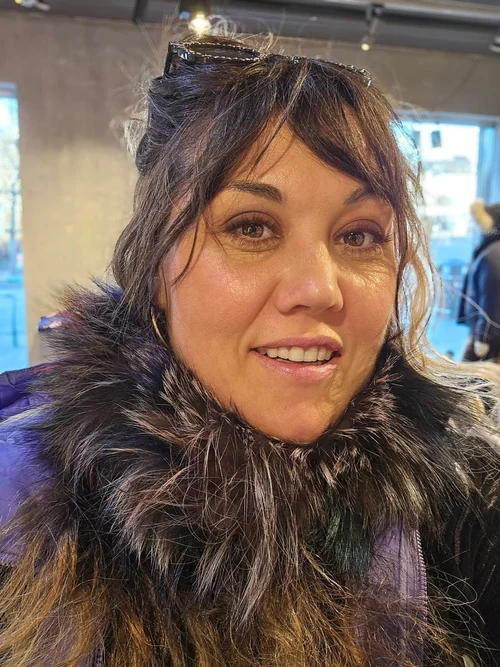
Head Hair & Makeup Artist
Alongside John, Alison, and Jessica, public crew materials named Pat "Shaggy" Welsh in field production, Lukcy Charms in co-writing, Kerry Hellums in historical consulting and armorer work, Wes Aylor in special effects, and Franny Stafford in assistant direction. That short list does not capture everyone, but it does capture how this show was built: through people who each owned one corner of the world the camera was asked to believe in.
Costumes, hair, makeup, special effects, and historical advising may get called supporting departments, but on a historical project like this they are often the ones carrying the load. When these teams do their jobs, nobody stops to admire them individually. The audience simply believes what is on the wall.
The fuller production roster lives on the dedicated crew page. The About page cannot carry every credit, and the crew page was always meant to.
There is a very old argument in historical filmmaking about how much of the job is writing and how much is casting. On Texas Legacy in Lights, the team behaved as if the answer were both, at the same intensity.
By the time principal photography hit its concentrated filming window from June 15 through June 21, 2025, the production had not only locked its speaking roles but also built the wider world around them. Speaking parts included Sam Houston, Captain Juan Seguin, Sarah DeWitt, Lieutenant Francisco de Castaneda, Evaline DeWitt, and others. Extras had to fill the ranks of cavalry, infantry, settlers, and townspeople.
Public casting outreach went wide and local at the same time. It actively sought performers, reenactors, and day riders from Gonzales and surrounding counties, and when those day riders could bring their own horses and authentic tack, the production paid accordingly. We did not want just anybody filling out the frame. We wanted a background that was Texan, with people who knew horses, the gear, and the bearing of that world.
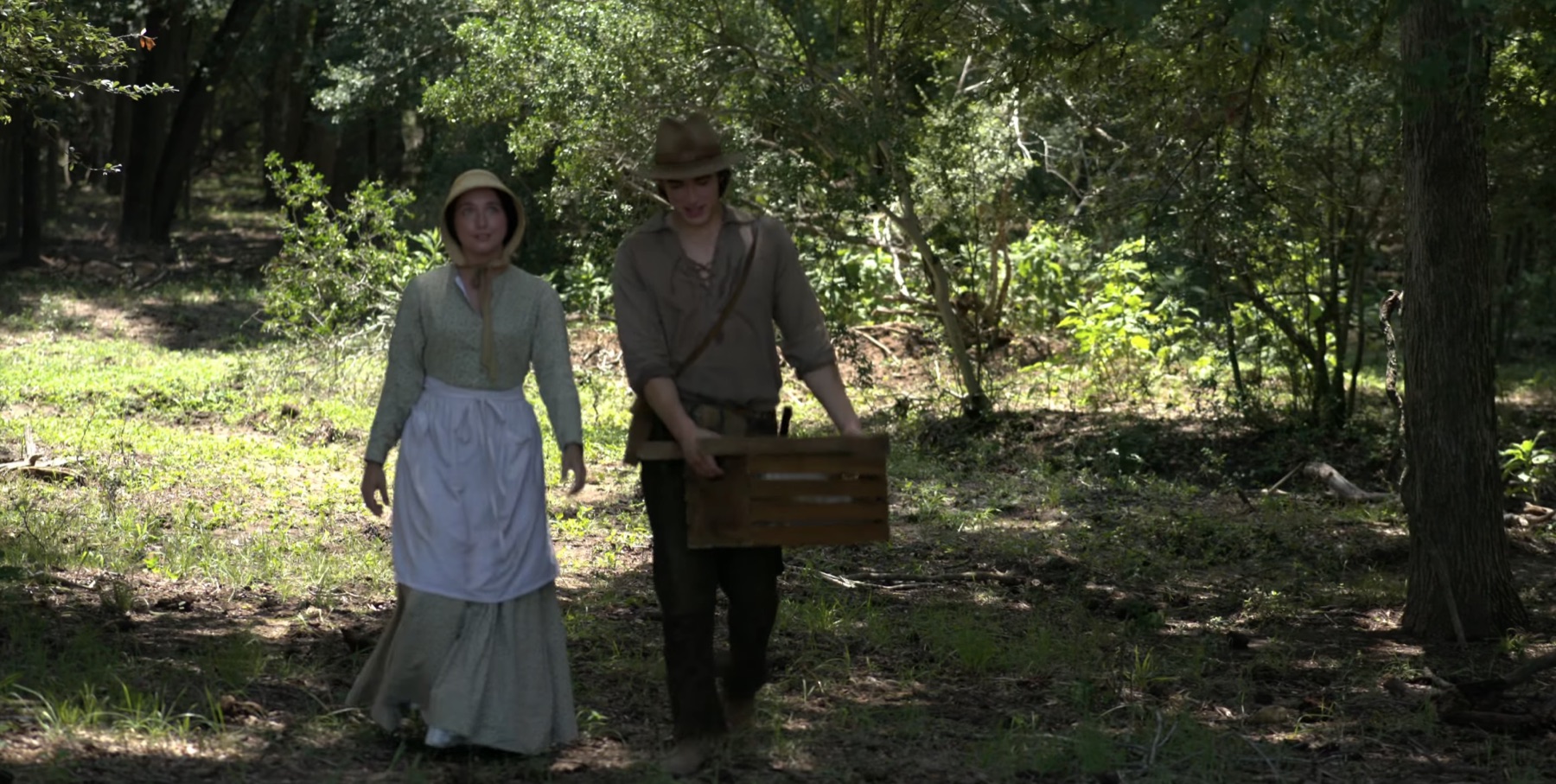
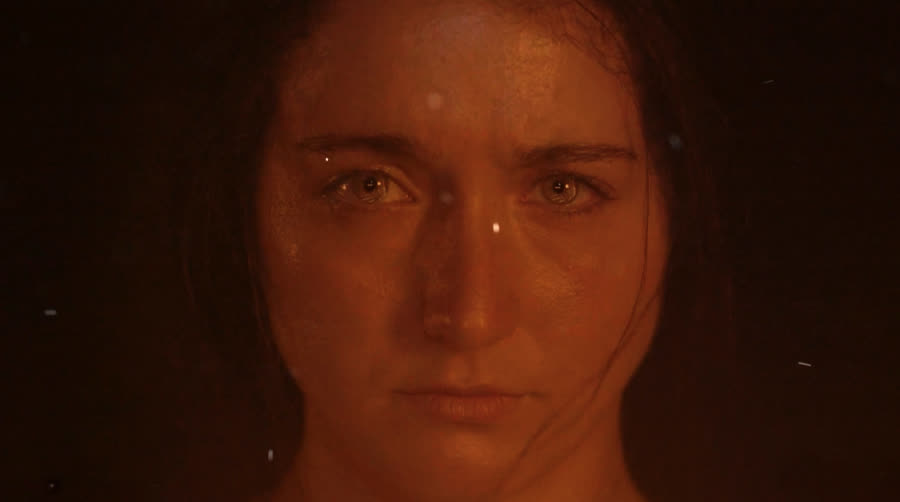
Eveline DeWitt
Samantha Plumb leads Texas Legacy in Lights as Eveline DeWitt. Her IMDb credits include Texas Legacy in Lights and the 2025 series How Are We Today?.
IMDb Profile
John E. Gaston
William Grant Bain appears as John E. Gaston, the young Texian whose love for Eveline and rush toward the fight anchors the film's emotional stakes.
IMDb Profile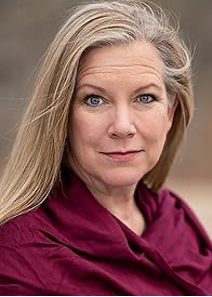
Sarah DeWitt
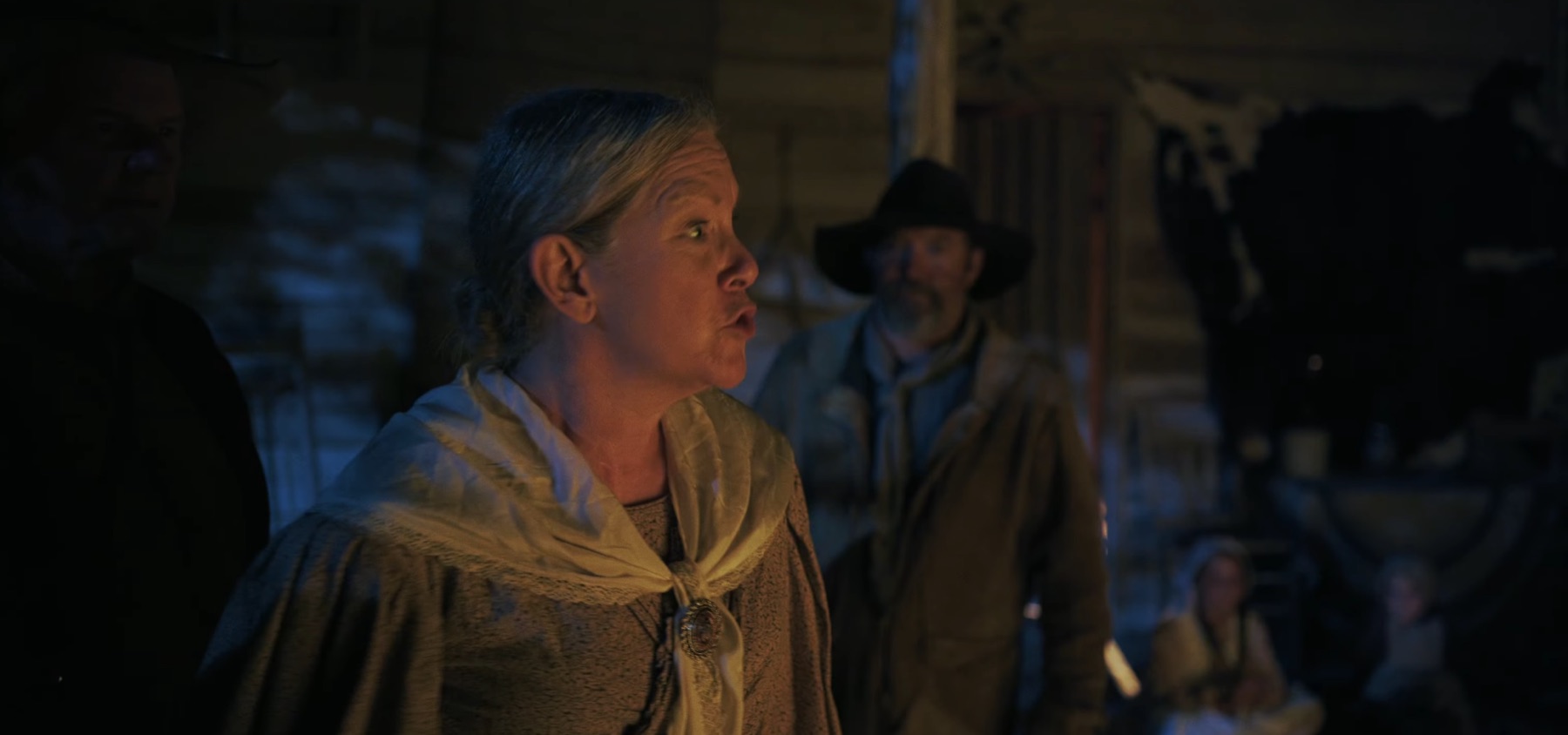
Peggy Schott is a Texas-based film and stage actor originally from New Orleans, known for Vindication, Fear the Walking Dead, and her role as Sarah DeWitt in Texas Legacy in Lights.
IMDb Profile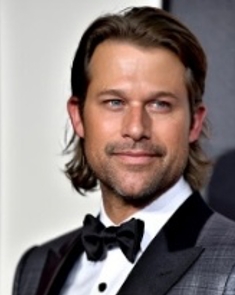
John Henry Moore
Kelby C. McCan is a San Antonio-based actor credited as John Henry Moore in Texas Legacy in Lights. His credits include The Walking Dead: Dead City, Evil, and The Price of Admission.
IMDb Profile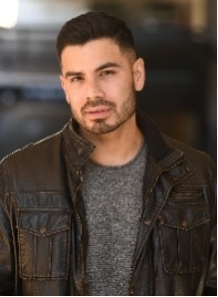
Captain Juan Seguin
Ajay Ramos is known for Seeds, Intentions, and When Time Stops. In Texas Legacy in Lights, he portrays Captain Juan Seguin.
IMDb Profile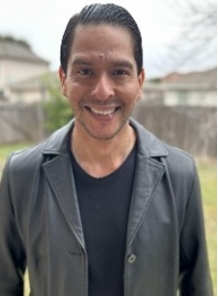
Lt. Francisco de Castaneda
Danny Debs is an actor, director, and writer whose screen work includes Telemundo series, independent films, and Illume the Movie. He appears as Lt. Francisco de Castaneda.
IMDb ProfileThe emotional center of the film belonged to a short list of performers. Samantha Plumb leads the film as Evaline DeWitt, the young Gonzales settler whose interior life becomes the audience's way into the story. William Grant Bain gives John E. Gaston appetite, fear, and romantic urgency. Peggy Schott brings composure and weight to Sarah DeWitt. Kelby C. McCan gives John Henry Moore the presence of a man others would follow. Ajay Ramos gives Captain Juan Seguin the room he deserves, and Danny Debs keeps Lt. Francisco de Castaneda from collapsing into caricature.
These are the faces visitors remember on the lawn. They are not the only ones who mattered. The cast page remains the best place to move deeper into the principal players, and the full project credits trace the wider speaking roles and background performers who helped populate Gonzales, the militia, and the world around the central story.
Principal photography was concentrated within a short, intense window from June 15 through June 21, 2025, with broader creative capture wrapped by about July 1. That pace is worth stopping to think about. Horses, period weapons, a full cast, extras in wardrobe and makeup, lighting, sound, and all the rest had to move together because there was not any other way.
The footage had to pass two tests at once. It had to work as cinema, and it had to survive being remapped onto a monumental facade. Composition had to allow for the building's natural architecture. Lighting had to be clean enough to hold once reprojected at scale. Every shot had to keep that museum wall in mind.
By the end of that week, and by July 1, we had our raw material. The film itself still lived in hard drives, shot lists, and notes.
From July through September, we lived in the editing room. This is where a film becomes itself. On a projection mapping film designed for the facade of a historic public museum, that statement is almost redundant. We were not editing for a theater. We were editing for a building.
Every edit decision had to think about the wall. Rhythm, transitions, visual emphasis, color, sound, dynamic range, and the final runtime all had to work across columns, lintels, eaves, and the real gravity of the architecture underneath the light. Hurley's earlier planning paid off here. The show's sound was not designed at the end. It was designed throughout the entire pipeline.
By the end of September, a permanent live-action film for the Gonzales Memorial Museum existed. One week remained before the premiere.
There is no such thing as a soft launch for something like this. We did not show Texas Legacy in Lights to a handful of folks in July or August. We picked October 2, 2025, and aimed straight for it. That date was not arbitrary. It belongs to Gonzales the way certain dates belong to certain towns.
A crowd of over 2,000 people showed up for the premiere. Lawn chairs. The sun went down. The lights darkened. The facade waited. And then the show began. What a visitor experienced on that lawn was the end product of a very long chain of decisions: the conversation with Susan and Tiffany, the four concepts, the proposal, the audio design with Hurley, the approvals, the decision to go live, the week in June, and the long summer in post-production.
Texas Legacy in Lights did not arrive as a temporary festival piece. It arrived as a permanent, narrative-driven, live-action projection mapping film built for the town that inspired it.
 Permanent public experiences
Austin Film Crew
Texas Legacy in Lights is 100 percent Texas cast and crew. That identity is not ornamental. It is part of the finished work. The people shaping the performances, wardrobe, field production, hair and makeup, special effects, sound, and historical texture were not assembled from somewhere else and dropped onto Gonzales for a season. They brought Texas craft to Texas history.
The work done here is also infrastructural. Texas Legacy in Lights is not a one-night event. It is a recurring civic performance. Gonzales now has a nightly public experience built for the scale of its particular story.
The impact was visible from the premiere itself, which drew more than 2,000 people to the museum lawn, and it has continued in the form of visitor attention, local pride, and a stronger evening draw for Gonzales. The historical archive and the moving image now meet in the same square yard.
The fuller roster, biographies, and project's working backbone live on the dedicated crew and cast pages and on Austin Film Crew's own project page. Those pages hold the things this story cannot. Texas Legacy in Lights took one conversation, four concepts, a three-week proposal, a city council vote, a week of filming in June, a long summer of post-production, and an anniversary as a deadline, and turned all of that into a building that now speaks at night.