
Before You Go
Before You Go: Remember the Runaway Scrape
Before you sit on the lawn and watch Texas history rise across the Gonzales Memorial Museum, it helps to remember that Gonzales was not only the place where resistance began. It was also one of the first places where ordinary families paid the price for it. The cannon, the flag, and the first shot are the parts people know. The Runaway Scrape is the part many do not. Yet if you want to understand the feeling underneath Texas Legacy in Lights, you need to carry this story with you when you arrive.
Before You Go
Before you sit on the lawn and watch Texas history rise across the Gonzales Memorial Museum, it helps to remember that Gonzales was not only the place where resistance began. It was also one of the first places where ordinary families paid the price for it. The cannon, the flag, and the first shot are the parts people know. The Runaway Scrape is the part many do not. Yet if you want to understand the feeling underneath Texas Legacy in Lights, you need to carry this story with you when you arrive.
In early March 1836, the town was already living inside the consequences of revolution. The Texas Declaration of Independence was adopted on March 2. The Alamo fell on March 6. In Gonzales, women, children, and older family members were waiting for word from the men who had gone toward the fighting. When Susanna Dickinson arrived with confirmation that the Alamo had fallen and that no mercy had been shown there, the fear in Gonzales stopped being abstract. It became immediate. Silence gave way to grief. The war was no longer somewhere else.
Sam Houston was in Gonzales at that moment, trying to gather men, manage panic, and preserve what remained of the Texian army. He understood that the town could not be held. Orders were given. The noncombatants had to leave, and Gonzales itself was burned so it would not be useful to the advancing Mexican army. In a single night, families who had only recently begun building homes, planting fields, and making a life on the frontier were forced to abandon nearly everything. The place where the Revolution had flared into public view was left in ashes.
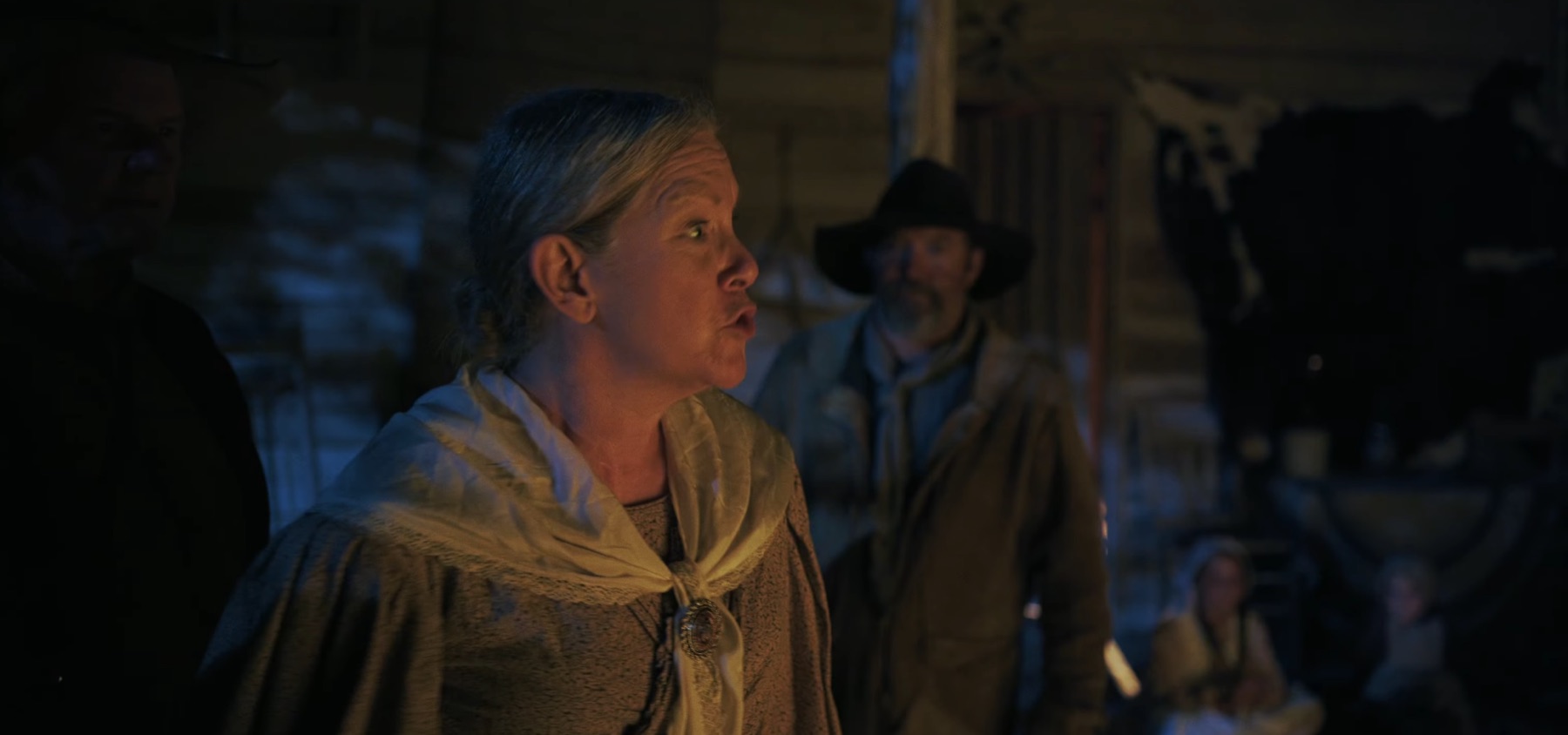
That frantic flight became known as the Runaway Scrape, but the phrase can sound smaller than the reality. This was not a neat evacuation. It was a desperate retreat through one of the coldest and wettest springs people in the region could remember. There were few wagons, few animals, and too many people who had no choice but to walk. Pregnant women, widows, the elderly, small children, and the sick moved through rain, mud, and rising water with almost no margin for error. They were not traveling toward safety in comfort. They were trying not to die before reaching it.
The people in that line of retreat were not nameless refugees. Gonzales memory still holds onto particular lives. Sarah Eggleston was only fifteen and heavily pregnant. Nancy Cottle was expecting twins. Elizabeth Kent was trying to keep nine children fed and moving. Mary Millsap, blind and responsible for seven children, was at one point left behind in the confusion and later found hiding in the underbrush so she and her family could be brought forward. Stories like these matter because they pull the Runaway Scrape out of the category of event and return it to the level of household, body, and fear.
The first camp after leaving Gonzales was in the area remembered today as the Sam Houston Oak. But the hardship did not end there. The roads were poor or nonexistent. Rivers were swollen. Shoes failed. Food ran short. Illness spread. Exposure did what battle often could not. Children and infants died from cold, wet conditions, hunger, and disease. Adults drowned at crossings. Families buried the dead in conditions so miserable that graves filled with water and mud almost as quickly as they were dug. The Revolution is often told through marching men and dramatic battles. The Runaway Scrape reminds us that women and children endured a campaign of suffering too.
That is part of why this story belongs before the show, not after it. Texas Legacy in Lights is thrilling because it understands spectacle, architecture, and the emotional charge of Gonzales. But it is not only a story about defiance. It is a story about what defiance cost. Once Gonzales refused to surrender the cannon, the town did not simply gain a place in legend. It became exposed to grief, hunger, flight, and the breaking apart of normal life. The battle is memorable. The aftermath is what makes the battle human.
When you watch the museum come alive at night, remember that the people of Gonzales did not know how their story would end. They did not know that Sam Houston would defeat Santa Anna at San Jacinto a month later, or that Texas would become a republic, or that Gonzales would eventually be rebuilt and memorialized. They only knew they had to move, in darkness and rain, with children in their arms and uncertainty in front of them. What feels inevitable in hindsight did not feel inevitable while they were walking it.
That is why the Runaway Scrape still matters. It tells you that Gonzales was not merely the opening scene of Texas history. It was also a town of mothers, daughters, widows, and children who carried the Revolution on foot. So before you watch the light strike the stone, pause long enough to remember the people who once left this same ground with no lights, no comfort, and no assurance they would ever return. The show becomes richer when you know that both courage and sorrow live here.
Related Visuals
Images and reference assets attached to this page.