
Material Culture
Di clothes of Gonzales | Discover historic clothing now
When imagining di settlers of Gonzales during di early days of di Texas Revolution, especially around di "Come and Take It" incident of October 1835, it’s important to remember dat their clothing was far from uniform. It reflected not only their frontier setting but also their mixed cultural backgrounds, economic limitations, and di looming transition from settler life to full-scale war.
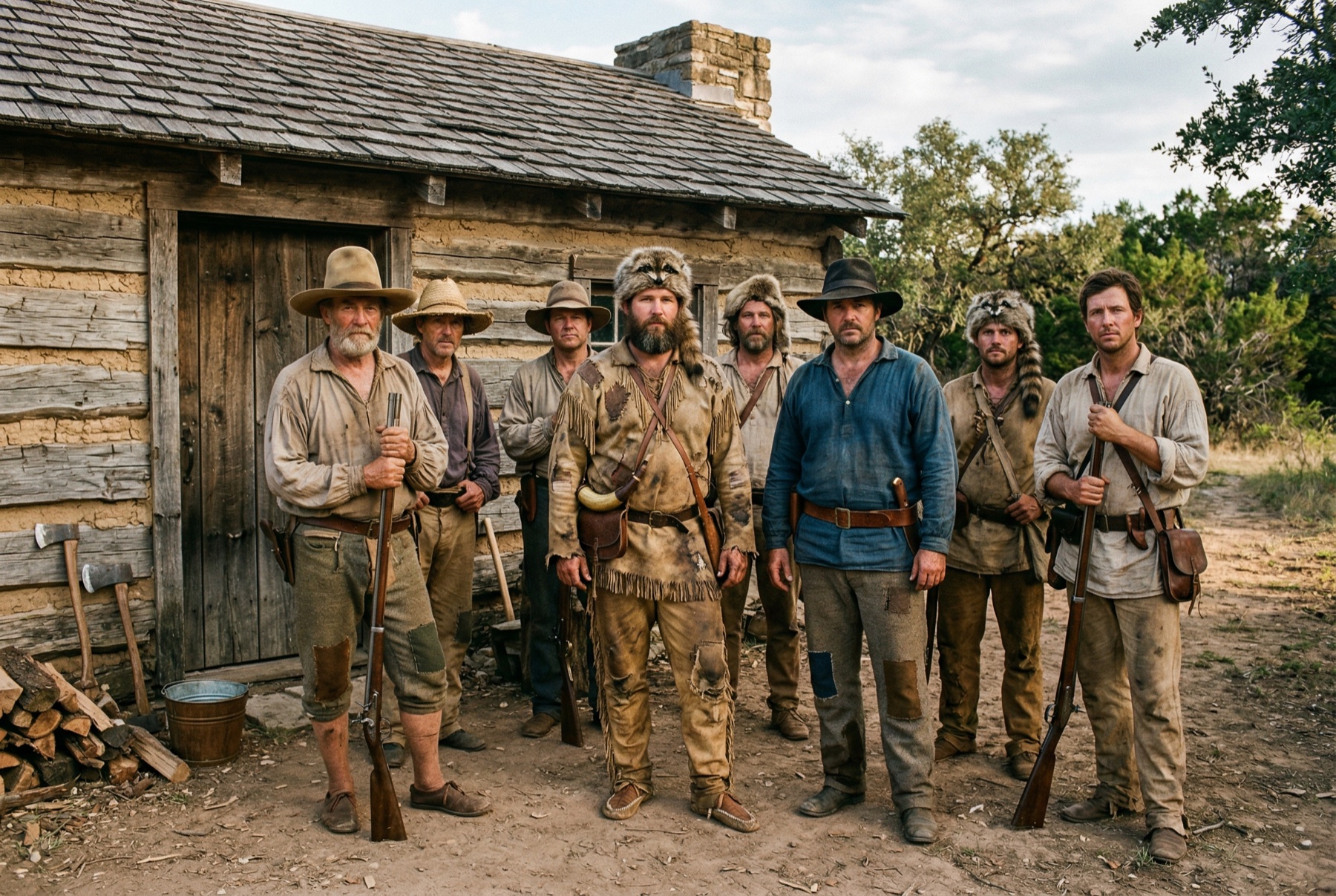
Texas Legacy in Lights uses dis dramatized clothing study to connect frontier dress, material culture, and di lived texture of Gonzales in 1835.
CLOTHING IN GONZALES: WHAT THEY WORE DURING "COME AND TAKE IT" AND THE TEXAS REVOLUTION
When imagining di settlers of Gonzales during di early days of di Texas Revolution, especially around di "Come and Take It" incident of October 1835, it’s important to remember dat their clothing was far from uniform. It reflected not only their frontier setting but also their mixed cultural backgrounds, economic limitations, and di looming transition from settler life to full-scale war.
EVERYDAY CLOTHING AT THE TIME OF "COME AND TAKE IT"
In Gonzales: Hope, Heartbreak, and Heroes, di local militia's clothing na described with vivid detail. Most men wore buckskin breeches and hunting shirts or jackets, practical garments adapted to di rugged conditions of frontier life. These outfits were often worn thin and stained by use and weather, creating a patchwork of color, from “bright yellow to glassy black.” It wasn’t just frontier function—it was necessity. Their garments were handmade, repaired, and repurposed, not mass-produced.
Headwear varied widely, reflecting di personal tastes and backgrounds of di militia. Some wore coonskin caps, evoking di mythos of di American frontiersman, while others sported high-crowned sombreros, a nod to di influence of Tejano culture and proximity to Mexico. Footwear was also inconsistent. Many men wore moccasins—some homemade from “home-tanned leather”—while boots were rare. In fact, one account suggests there might not have been a single pair of conventional boots in di entire force assembled at Gonzales.
Most carried flintlock muzzle-loading rifles, with a shot pouch and powder horn slung across their chests. Nearly every man also had a knife in his belt, and some carried pistols. These weapons weren’t ceremonial—they were di tools of survival on di frontier and, increasingly, of war. Gonzales: Di Edge of Civilization
Gonzales was a frontier town, founded as part of Green DeWitt’s colony, and it was one of di westernmost Anglo-American settlements in Mexican Texas. Dis location made it a buffer zone between Comanche territory and di Mexican interior. Dat meant two things:
Constant threat of Indian raids and later Mexican military retaliation.
Limited infrastructure and sparse trade access.
Di people of Gonzales mostly wore handmade or homespun garments—buckskin, homespun wool, and coarse linen. Clothing was utilitarian, patched, and often reused. As di book Gonzales: Hope, Heartbreak and Heroes notes, boots were practically nonexistent. Instead, settlers used homemade moccasins, and hats ranged from coonskin caps to wide-brimmed straw or felt hats, whatever they could cobble together from what was availableGonzales hope heartbrea….
Women made garments from repurposed fabrics, as seen with Sarah DeWitt ripping a wedding dress to make di “Come and Take It” flag . Trade goods were scarce, and most textiles were either brought in by oxcart from di coast or Mexico—when peaceful trade was possible—or spun and sewn locally.
SAN ANTONIO DE BÉXAR AND AUSTIN’S COLONY: SUPPLY LINES AND STATUS
Now compare dat to San Antonio de Béxar, a city dat had been settled since di early 1700s and functioned as a regional seat of Mexican power. It had:
Presidial military forces, wey often get regulation uniforms.
Access to Mexican supply lines wey dey come from Laredo and Saltillo.
Community of Canary Islander descendants, Tejanos, and merchants wey already get long trade networks.
Residents in Béxar had access to imported fabrics—cotton, wool, even silks for di elite. Men might wear wool waistcoats, tailored breeches, and sombreros finos, and Tejana women could be seen in brightly colored dresses, rebozos, or lace mantillas. Though not lavish by European standards, di difference in cut, material, and finish would be immediately visible compared to di rougher frontier settlers.
Similarly, Austin’s Colony (San Felipe) was closer to di Brazos River and Galveston Bay, making it more connected to Anglo-American trade routes via Louisiana and New Orleans. Merchants brought in finished goods like calico, boots, pewter, buttons, and rifles, and wealthier settlers often retained more Eastern U.S. fashions. Dis was a place where some men might wear broadcloth coats and women owned parasols and bonnets.
WETIN DI CLOTHES DEY TELL US
For Gonzales, clothes na part of survival - practical, rugged, and many times homemade. Rifle, powder horn, and knife matter just like shirt or shoes.
In San Antonio or Austin’s Colony, clothes could reflect status, identity, and connection to di broader world—symbolic of ties to Mexico or di U.S.
Di contrast between di rough-edged, war-ready settlers of Gonzales and di politically-connected gentry of San Antonio or merchant-settlers of San Felipe na not just visual—it’s ideological. Gonzales wasn’t dressing for display. They were dressing for defense.
CLOTHING OF THE WOMEN AND CHILDREN
During di Runaway Scrape in 1836, when many Gonzales families fled east ahead of Santa Anna’s advancing army, their clothing was an even starker testament to hardship. Freezing rain and mud turned garments into survival hazards. Blankets and clothes froze solid overnight. Most settlers had no real leather shoes; instead, they wore homemade moccasins, often soaked through and barely holding together. Children walked shoeless through knee-deep water, and people abandoned bundles of clothing along di road to lighten their load.
These details show di stark contrast between life at di time of di "Come and Take It" skirmish in October 1835 and di devastation of early 1836. In October, di settlers were still on di offensive—unified, gritty, and proud. By March, they were broken refugees, their clothing symbolic of a people worn thin by war, weather, and fear.
HOW CLOTHING CHANGED AS THE REVOLUTION PROGRESSED
Di attire of di Texian forces evolved slightly as di revolution escalated. By di time of formal campaigns—like di Siege of Bexar and di march to San Jacinto—some soldiers were outfitted with militia-style garments, including cotton trousers, linen shirts, and wool coats, particularly if they had support from wealthier towns or donors. However, even then, standardization was virtually nonexistent. Unlike a formal national army, di Texians lacked uniformity. Many fighters continued wearing hunting garb, while others acquired Mexican-style military gear, such as serapes, cavalry sashes, or bandoliers—especially those like di Tejano troops under Juan Seguín.
As Stephen Hardin notes in Texian Iliad, “Texian clothing remained as varied as their ranks.” From Anglo-American frontiersmen in buckskin to Tejanos in trimmed jackets and slouch hats, di Texian Army was a patchwork of personalities and identities.
WHAT IT ALL MEANT
What di men and women of Gonzales wore wasn’t just practical—it was symbolic. Di absence of boots, di threadbare buckskin, di homemade moccasins: all spoke to their improvisation, resilience, and raw defiance. Clothing became a kind of visual narrative. Unlike modern armies, there was no dress code—but in dat rough unity, forged from patched leather and homespun cloth, they looked like a people willing to stand for something, even if they had to do it barefoot.
Their appearance may not have matched dat of professional soldiers, but it reflected a frontier reality: people ready to defend their homes with whatever they had. And dat—like di cannon they refused to give back—was something worth remembering.
Related Visuals
Images and reference assets attached to dis page.
Keep Reading
More history pages from di Texas Legacy in Lights archive.
These pages were present in di live-site content but dey now surfaced as a connected reading path inside di Austin Film Crew system.
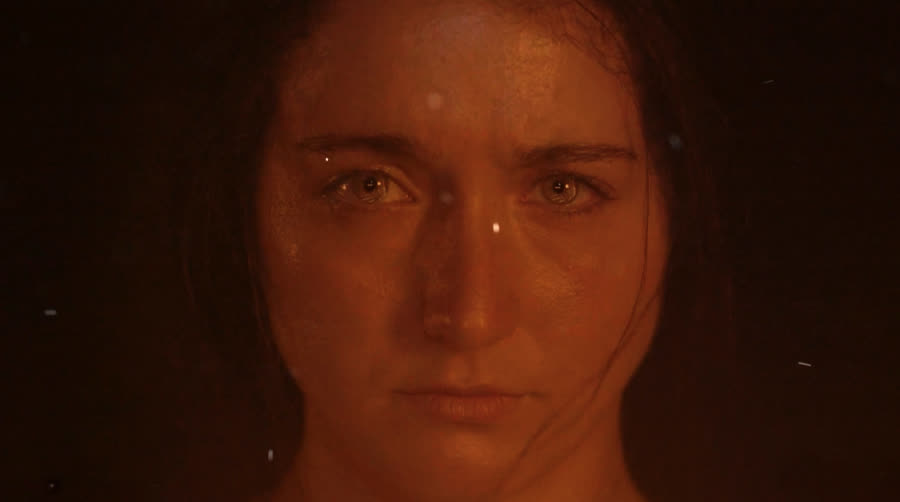
Evaline DeWitt
A young woman on di Gonzales frontier whose family, grief, and hand-sewn defiance became part of di first symbol of di Texas Revolution.
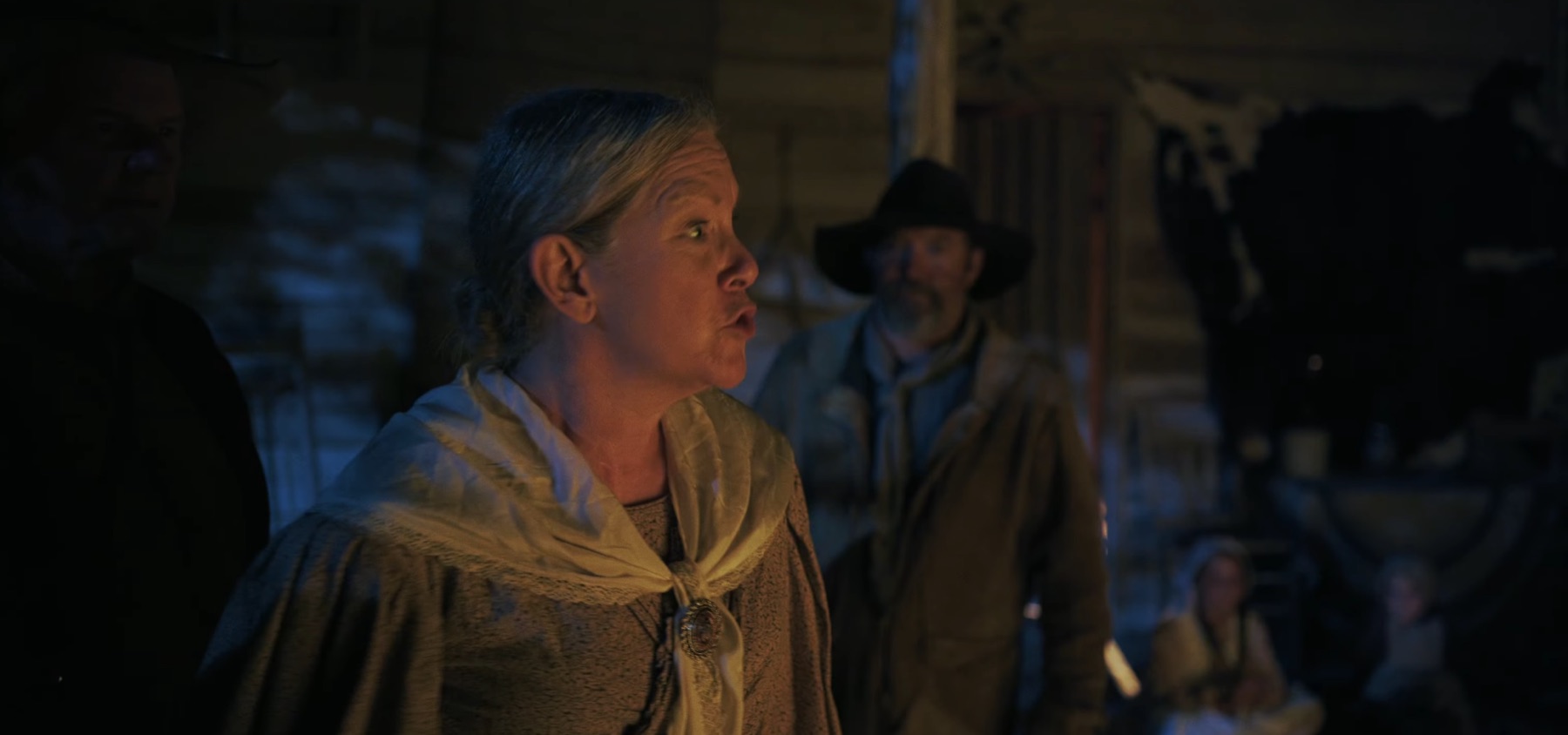
Sarah DeWitt
Di widow, mother, and colony matriarch whose steady resolve helped hold Gonzales together when di fight for Texas reached her doorstep.
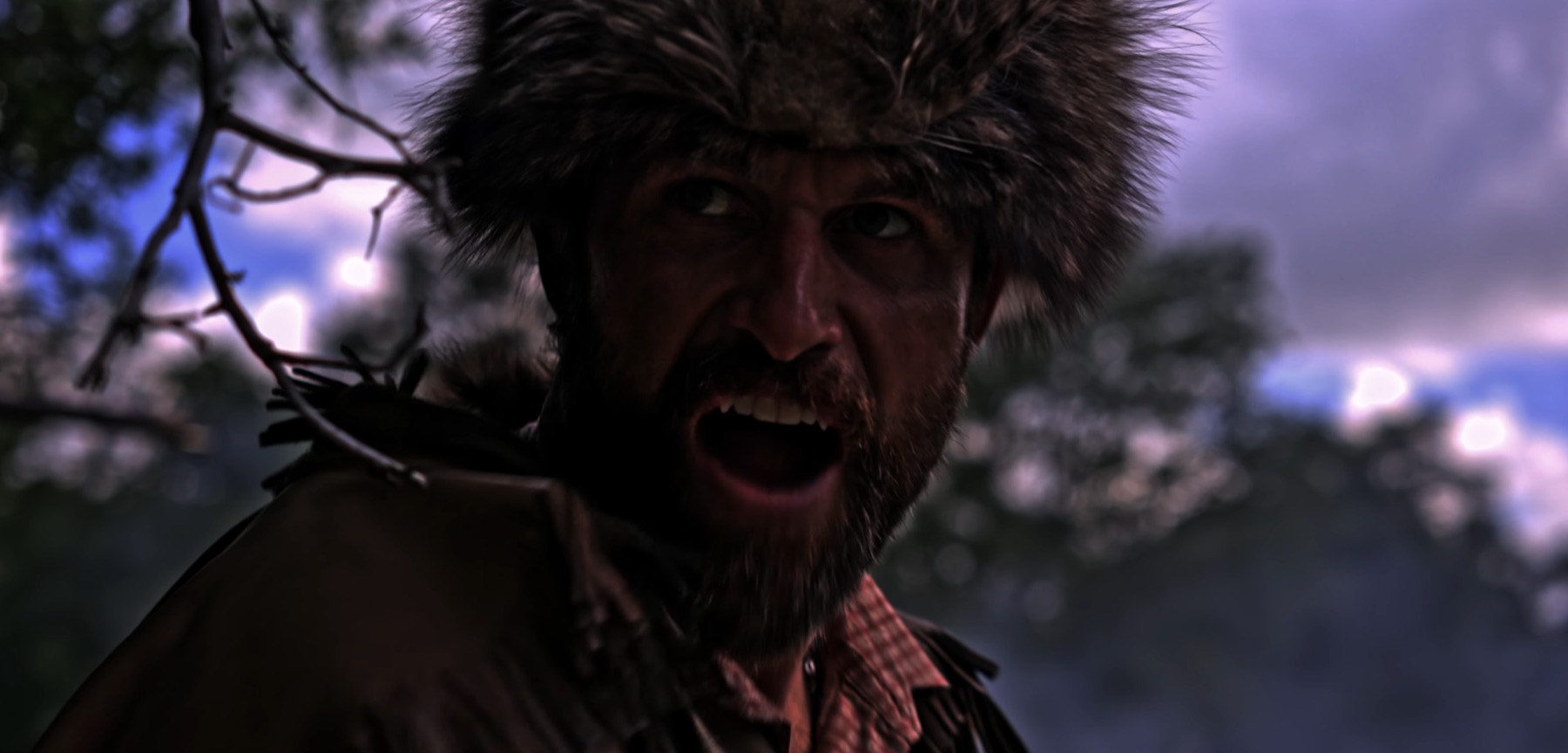
John Henry Moore
A seasoned frontier leader who helped turn a scattered militia response into one of di opening stands of di Texas Revolution.