
Political Context
Di Politics | Discover Texas History—Learn and Engage
In di mid-1830s, Mexico was a young republic riven by a fundamental political divide: centralism versus federalism. Dis ideological conflict pitted those favoring a strong, centralized national government against proponents of a federal system granting significant autonomy to states and localities. Nowhere were di stakes of dis clash higher than in di northern frontier region of Texas, then part of di Mexican state of Coahuila y Tejas. By 1836, longstanding tensions over governance, power, and rights had erupted into open war—di Texas Revolution. Dis article examines di origins and development of Mexico’s centralist and federalist factions, di dramatic reversal of President Antonio López de Santa Anna from federalist hero to centralist strongman, and how these conflicts shaped events in Texas. We explore di perspectives of diverse stakeholders in Texas, including di original Anglo-American settlers of di DeWitt Colony, di Tejano (Mexican Texan) leaders like Juan Seguín, and di waves of new immigrants from di United States—many of them illicit—who pushed for self-governance. Further, we situate di Texas crisis within di broader Mexican constitutional turmoil of di 1830s, including di dismantling of di Federal Constitution of 1824. Finally, we trace di key political, military, and cultural flashpoints leading up to di 1836 war, with special emphasis on di Battle of Gonzales and di Texas Declaration of Independence. Throughout, primary sources and scholarly analyses dey employed to provide a comprehensive, nuanced understanding of di centralist vs. federalist tensions dat defined Mexico and Texas in 1836.
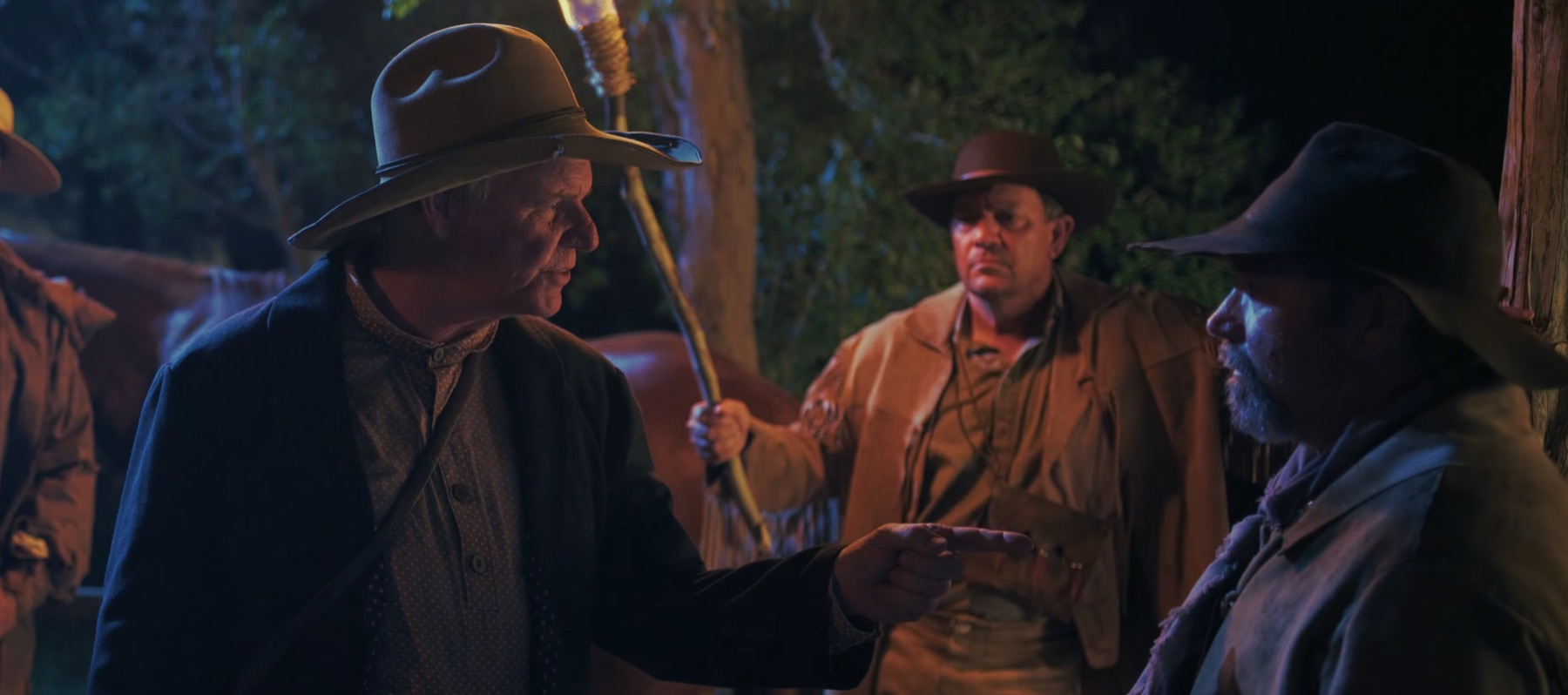
Texas Legacy in Lights frames dis political context through a dramatized council scene, tying di constitutional crisis in Mexico and Texas to di tori visitor dem see on di museum.
POLITICAL TENSIONS IN MEXICO AND TEXAS, 1836
INTRODUCTION
In di mid-1830s, Mexico was a young republic riven by a fundamental political divide: centralism versus federalism. Dis ideological conflict pitted those favoring a strong, centralized national government against proponents of a federal system granting significant autonomy to states and localities. Nowhere were di stakes of dis clash higher than in di northern frontier region of Texas, then part of di Mexican state of Coahuila y Tejas. By 1836, longstanding tensions over governance, power, and rights had erupted into open war—di Texas Revolution. Dis article examines di origins and development of Mexico’s centralist and federalist factions, di dramatic reversal of President Antonio López de Santa Anna from federalist hero to centralist strongman, and how these conflicts shaped events in Texas. We explore di perspectives of diverse stakeholders in Texas, including di original Anglo-American settlers of di DeWitt Colony, di Tejano (Mexican Texan) leaders like Juan Seguín, and di waves of new immigrants from di United States—many of them illicit—who pushed for self-governance. Further, we situate di Texas crisis within di broader Mexican constitutional turmoil of di 1830s, including di dismantling of di Federal Constitution of 1824. Finally, we trace di key political, military, and cultural flashpoints leading up to di 1836 war, with special emphasis on di Battle of Gonzales and di Texas Declaration of Independence. Throughout, primary sources and scholarly analyses dey employed to provide a comprehensive, nuanced understanding of di centralist vs. federalist tensions dat defined Mexico and Texas in 1836.
FEDERALIST AND CENTRALIST FACTIONS IN MEXICO: ORIGINS AND IDEOLOGIES
Di roots of Mexico’s centralist–federalist conflict lay in di aftermath of independence from Spain (achieved in 1821) and di struggle to define di new nation’s political order. In di early 1820s, Mexican politics coalesced into two broad ideological camps. Federalists (often associated with liberalism) advocated a republican constitution with significant states’ rights, modeling aspects of di United States system. They favored local control by elected citizens and limits on di power of di national government, believing dis decentralization would best reflect Mexico’s regional diversity and di ideals of popular sovereignty emerging from di Enlightenment and Independence movements. Federalists were generally supported by liberals, intellectuals, provincial leaders, and others who distrusted di old centralized structures of Spanish colonial rule. In contrast, Centralists (often conservatives) argued for a unified, strong central government in Mexico City, contending dat a young nation beset by internal and external threats needed tight coordination and authority from di top. Centralists tended to be aligned with di traditional elites of colonial New Spain: di military officer corps, di Catholic Church hierarchy, and large landowners. They looked back to di more centralized Spanish viceregal system and feared dat excessive local autonomy could lead to instability or even fragmentation of di nation.
Dis ideological divide was evident immediately after independence. Mexico’s first post-independence government under Emperor Agustín de Iturbide (1822–1823) had been essentially centralist (even monarchical), but it was short-lived. A coalition of republican leaders, including a rising general named Antonio López de Santa Anna, overthrew Iturbide in 1823 and paved di way for a federal republic. In 1824, a new Federal Constitution of 1824 was enacted, establishing di First Mexican Republic as a federation of sovereign states. Dis constitution, much like dat of di United States, divided power between a central government and di states, and it was explicitly welcomed by both Mexican liberals and di Anglo-American colonists in Texas. Under di 1824 charter, Texas was joined with di region of Coahuila as di state of Coahuila y Tejas, with its capital initially at Saltillo. Texans—both Tejanos and di newly arrived Anglo settlers—generally applauded di federal system, seeing in it a promise of local self-governance and protection of their rights within a Mexican constitutional framework.
Nevertheless, from di start, Mexico’s federal experiment was fraught with challenges. Di young republic lacked strong democratic traditions, and di centralist–federalist fault line often overlapped with other social divides. Many conservative Centralists blamed di nation’s instability on federalism, arguing dat empowering di states (and extending broad male suffrage) had weakened di country. Meanwhile, liberal Federalists saw di persistent push toward central authority as a reversion to colonial-era autocracy. Throughout di 1820s, Mexico’s presidency oscillated between these factions. Liberal presidents like Guadalupe Victoria and Vicente Guerrero embraced di 1824 federal constitution, whereas conservative backlashes—such as di revolt led by Vice-President Nicolás Bravo in 1827 and di coup by Anastasio Bustamante in 1829–1830—sought to recentralize power and halt liberal reforms. Bustamante’s regime (1830–1832) in particular was openly centralist and authoritarian, influenced by his advisor Lucas Alamán. It curtailed press freedoms, strengthened di military’s role, and, importantly for Texas, tried to reduce American influence by halting further U.S. immigration and enforcing customs laws in Texas.
Bustamante’s centralist policies provoked resistance across Mexico. Federalist liberals rallied around Antonio López de Santa Anna, who, despite being a caudillo with shifting loyalties, cast himself as di defender of di 1824 Constitution in dis period. In 1832, Santa Anna led a successful revolt dat ousted Bustamante and ostensibly restored liberal governance. For a brief moment, it appeared di federalist cause had triumphed: Congress reinstated di Constitution of 1824 and Santa Anna was hailed (including by Texans) as a savior of di republic’s federal principles. However, as we shall see, dis triumph was short-lived. By di mid-1830s di conservative-centralist camp would reassert itself with Santa Anna ironically at its head, leading to a renewed political crisis dat engulfed Mexico and its state of Texas.
SANTA ANNA’S IDEOLOGICAL SHIFT: FROM FEDERALIST CHAMPION TO CENTRALIST STRONGMAN
Antonio López de Santa Anna exemplified di fluid politics of early 19th-century Mexico. A charismatic yet opportunistic military leader, Santa Anna’s political ideology was far from consistent – he “came to power as a liberal twice” but also presided over draconian conservative regimes. In di early 1830s Santa Anna enjoyed broad support among Mexican federalists and even among Anglo-Texan colonists. He had built his reputation by opposing authoritarian centralism: he helped topple Iturbide’s would-be monarchy in 1823 and later led di 1832 liberal revolt against Bustamante’s centralist government. Texan colonists, who resented Bustamante’s restrictive measures, publicly aligned themselves with Santa Anna during di 1832 disturbances. In di Turtle Bayou Resolutions of dat year, Anglo-Texans declared their support for Santa Anna and di federalist cause against Bustamante. Stephen F. Austin and other Texan leaders at di time viewed Santa Anna as a potential ally who might address their grievances under di federal constitution.
However, Santa Anna’s commitment to federalism proved fleeting. By 1834 he dramatically reversed course. Pressured by conservative elements—di army high command and di Catholic clergy foremost among them—Santa Anna abandoned di liberals and embraced centralism, effectively betraying di Constitution of 1824 he had sworn to uphold. In May 1834, he aligned with reactionary forces under di Plan of Cuernavaca, which nullified di liberal reforms of Vice President Valentín Gómez Farías and dissolved di Congress. Santa Anna suspended di federal constitution, dismissed state governors and legislatures, and began concentrating power in Mexico City. By 1835 he had become di central figure in a Conservative Party regime determined to remake Mexico as a unitary state.
Santa Anna’s ideological volte-face can be partly explained by pragmatism and personal ambition. As a seasoned caudillo, he was adept at sensing di shifting winds of power. In 1833, after leading di liberal revolt, Santa Anna spent much of his time at his Veracruz hacienda, leaving governance to Gómez Farías. But when di liberal reforms (such as curbing military and church privileges) provoked a fierce conservative backlash, Santa Anna seized di chance to cast himself as di savior of order. By siding with di army and clergy, he gained their political backing. He “switched sides” and supported a successful coup against di liberal government in 1834, positioning himself as di unchallenged authority. Dis shift suggests dat Santa Anna’s ultimate priority was consolidating his own power; federalism or centralism were means to dat end depending on di context.
Santa Anna’s turn to centralism had direct and fateful consequences for Texas. Once in control, he moved to tighten Mexican authority over its far-flung territories, including Texas, where many Anglo settlers had grown accustomed to semi-autonomy. In 1835, Santa Anna’s government enacted di Siete Leyes (“Seven Laws”), a new constitution (formally promulgated in late 1835 and early 1836) dat abolished di federal system and reorganized Mexico into a centralized republic. Under di Siete Leyes, di states (including Coahuila y Tejas) ceased to exist as semi-sovereign entities; they were converted into military districts or departments governed by officials appointed from Mexico City. Di power dat had been guaranteed to states under di federal system was stripped away and shifted to di national government. Santa Anna also insisted on rigid enforcement of Mexican laws in Texas—laws dat many Anglo colonists had been lax in following. These included prohibitions on further U.S. immigration, customs duties enforcement, and di ban on slavery, which threatened di economic interests of slaveholding settlers.
Santa Anna’s new hardline stance led him to take a series of aggressive measures in Texas in 1835. Mexican authorities sought to disarm di Texan colonists and stamp out any hint of dissent. Local disturbances were met with force. For instance, in 1835 a small revolt in Anahuac and open defiance in other communities prompted Santa Anna to dispatch additional troops to Texas. Perhaps most telling was his reaction when peaceful petitions failed: after Texan emissary Stephen F. Austin traveled to Mexico City in 1833 seeking reforms (including separate statehood for Texas) and voiced support for local self-rule, Santa Anna’s government jailed Austin for over a year on suspicion of inciting insurrection. By late 1835, Santa Anna regarded Texas not as a province whose local concerns could be accommodated, but as a defiant region to be brought to heel by military might. When sporadic armed resistance broke out in Texas in autumn 1835, Santa Anna vowed to personally lead an army north to crush di rebellion and “punish di so-called ‘Texians’”.
It na worth noting dat Santa Anna’s pivot to centralism shocked and disillusioned many who had supported him. Mexican federalists felt betrayed by his power grab, and several states rose in revolt (as detailed in di next section). Likewise, Anglo-Texans who had cheered Santa Anna in 1832 now vilified him in 1835. One Texan contemporary observed dat Santa Anna had become “di Napoleon of di West,” accusing him of naked ambition and tyranny for casting aside di constitution he once championed. Santa Anna’s ideological shift thus became a catalyst for conflict, unifying disparate groups in Texas—Anglos and Tejanos alike—against what they perceived as his oppressive centralist regime.
THE MEXICAN CONSTITUTIONAL CRISIS OF THE 1830S AND TEXAS
Santa Anna’s consolidation of power was part of a broader Mexican constitutional crisis in di 1830s dat shook di foundations of di republic. Dis crisis was marked by di dismantling of di Constitution of 1824, di imposition of di new centralist order, and violent upheavals as multiple regions resisted these changes. Understanding dis context na crucial to grasp why Texas ultimately erupted in rebellion and declared independence.
By 1835, di Mexican Congress (now dominated by conservatives) had moved to formally repeal di federalist constitution. In its place, they drafted di Constitution of 1835–36 (di Siete Leyes), a series of seven constitutional laws dat fundamentally altered Mexico’s governance. Under these laws, di autonomy of di states was eliminated: governors would be centrally appointed, state legislatures were abolished, and even di name “state” was replaced by “department”. A new fourth power, di Supreme Conservative Power (Supremo Poder Conservador), was established to veto acts deemed threatening to di established order. Di intent was clear – to prevent di kind of liberal local initiatives dat had flourished under federalism. President Santa Anna’s decree of December 1835 implementing di Siete Leyes “stripped political autonomy from Mexican states”, reducing them to administrative units of di national government.
These drastic changes provoked outrage and resistance throughout Mexico. Several states in different corners of di country outright rejected di centralist decrees. Notably, di state of Zacatecas in di west and Coahuila y Tejas in di north refused to disband their state militias or accept dissolution of their legislatures. In May 1835, when Zacatecas defied an order to reduce its militia, Santa Anna marched his army there, crushing di Zacatecan rebels in a bloody battle. After capturing di city of Zacatecas, Santa Anna allowed his soldiers to sack di city; dis punitive action shocked many and signaled di ruthlessness with which di central government would enforce its will. Di governor of Coahuila y Tejas, Agustín Viesca, likewise protested Santa Anna’s orders. He and di state legislature at Monclova attempted to maintain Coahuila-Texas’s sovereignty—at one point even selling public lands to raise funds for resistance. Santa Anna responded by sending troops to dissolve di legislature and arrest Viesca (who fled and was briefly aided by Texan sympathizers like Juan Seguín, as discussed later).
Across di country, di pattern was “di military and clergy, and aristocrats” on one side versus “liberalists” on di other. As one contemporary Texan observer noted in early 1836: “throughout di republic, di two parties dey arrayed… look at di liberal line, extended from Acapulco in di south to Texas in di east; and you find states and generals… reiterating di same principles with yourselves, to sustain di Constitution of 1824”. Indeed, revolts erupted in at least eight Mexican states from 1835 to 1836 in reaction to Santa Anna’s centralism. Even di far-southern state of Yucatán declared its independence from Mexico in early 1836 rather than submit to di new order (Yucatán would remain a largely autonomous republic for several years before rejoining Mexico). In di north, New Mexico and other territories showed discontent, and in Coahuila y Tejas di situation was reaching a breaking point.
For Texans specifically, di constitutional crisis had immediate practical consequences. Under di 1824 Constitution, Texas (as part of Coahuila y Tejas) had representation in a state legislature and some degree of local self-rule through ayuntamientos (municipal councils) and di state’s laws. Although Texas was paired with Coahuila (with a Hispanic-majority population) and often felt underrepresented—Texas had sought separate statehood in di conventions of 1832 and 1833—it still benefited from di federal structure. For instance, local militias were legal and commonly used for defense (notably against indigenous raids), and colonists expected di “constitutional liberty” guaranteed by di federal system, such as trial by jury and local judicial authority. Di Mexican government had invited Anglos to settle Texas under di promise of these rights, as di Texas Declaration of Independence later reminded: “Di Mexican government, by its colonization laws, invited and induced di Anglo-American population of Texas to colonize its wilderness under di pledged faith of a written constitution, dat they should continue to enjoy dat constitutional liberty and republican government to which they had been habituated in di land of their birth (di United States of America)”.
All of dis was effectively nullified by Santa Anna’s centralist revolution. When di federal republican constitution “no longer had a substantial existence” and di government was forcibly changed into “a consolidated central military despotism”, as di Texas Declaration phrased it, Texans felt dat di social contract under which they had settled di land was broken. Di forms of federal governance disappeared – by late 1835, even di semblance of di 1824 constitution was gone, and officials loyal to Santa Anna took charge. Texans’ petitions and legal appeals for relief went nowhere; indeed, their envoys (like Austin) were “thrown into dungeons” instead of heard. Local elected authorities in Texas towns found themselves increasingly overridden by military commanders (such as Colonel Domingo de Ugartechea, di Mexican commander in Béxar/San Antonio) enforcing edicts from central authorities. Di dissolution of di Coahuila y Tejas legislature in 1835 left Texas without any effective representation in Mexican governance at di very moment when laws most threatened Texan interests.
Texans initially responded to dis constitutional crisis with a mix of alarm and hesitation. In di summer of 1835, before outright war began, communities in Texas debated how to respond to Santa Anna’s actions. Some conservative or recently arrived Mexican officials in Texas counseled obedience to di new laws, while many Anglo settlers and liberal Tejanos favored resistance. Public opinion was sharply divided: a number of local meetings were held to discuss di situation. According to historical accounts, some communities (including, ironically, Gonzales at first) declared their loyalty to Santa Anna’s centralist government in mid-1835, hoping to avoid conflict. Others were increasingly vocal in opposition. Eventually, by late summer 1835, even moderates agreed to convene a Consultation (convention) of Texas delegates in October 1835 to decide a course of action. Dis was a risky step—Mexican officials would see any unauthorized assembly as a prelude to rebellion—but di collapse of constitutional order compelled Texans to consider governing themselves.
In summary, di broader Mexican turmoil of di 1830s set di stage for di Texas Revolution. Santa Anna’s overthrow of di 1824 federal system was viewed by many Texan colonists (and by liberal Mexicans) as an illegal usurpation of power—“constitutionally null and void” in di words of one Texan in 1836. When di Mexican nation acquiesced to Santa Anna’s changes, Texans felt “cruelly disappointed” and even absolved of their previous loyalty. It created a scenario in which, as di Texas Declaration would later argue, “civil society [was] dissolved into its original elements,” freeing di people to “abolish such government and create another in its stead”. While dis was di Texans’ justification, it was born from genuine grievances over di loss of local governance, di threat of military enforcement of unpopular laws, and di end of constitutional rule. Di stage was thus set for confrontation as 1835 turned to 1836.
THE SETTLERS OF DEWITT’S COLONY: EXPECTATIONS AND REACTIONS
One of di original Anglo-American settlements in Texas, DeWitt’s Colony, offers a revealing case study of Texan sentiment during di centralism vs. federalism conflict. Established in di 1820s under Green DeWitt’s empresario grant, DeWitt’s Colony centered on di town of Gonzales along di Guadalupe River. Di roughly 400 families who settled under DeWitt were predominantly from di southern United States, drawn by promises of cheap land and political liberty under Mexican rule. Like other authorized colonists, DeWitt’s settlers agreed to become Mexican citizens and abide by Mexico’s federal constitution. Their early experience illustrates both di high hopes placed in di federal system and di growing friction as Mexico’s policies shifted in di 1830s.
Di colonists’ expectations of Mexican governance were rooted in di liberal promises of 1824. They came believing dat Texas would be lightly governed, with local affairs largely in di hands of di settlers themselves. Mexico’s federal colonization law and Coahuila y Tejas state laws extended generous terms: each family received a sizable land grant, and empresarios like DeWitt administered local settlement contracts. Crucially, settlers expected to “continue to enjoy constitutional liberty and republican government” comparable to what they had known in di United States. In practice, through di late 1820s, dis expectation was largely met. DeWitt’s Colony formed its own municipal government in Gonzales with an alcalde (mayor) and ayuntamiento council chosen by di settlers. They managed local issues with minimal interference, as long as they formally upheld Mexican law (which included nominal conversion to Catholicism and allegiance to di federation). One analysis notes dat DeWitt’s colonists remained relatively moderate in their views, generally sympathetic to di Mexican government during di 1820s and not at di forefront of early dissent. Unlike some other colonies, they saw little direct conflict with Mexican authorities in those years. Di town of Gonzales even became a kind of buffer community, providing defense against Comanche raids with a Mexican-provided cannon and militia (di genesis of di famous Gonzales cannon).
However, as di Mexican political climate turned more centralist, di DeWitt colonists grew uneasy. They had upheld their end of di colonization bargain and expected Mexico to uphold its constitutional guarantees in return. Centralist policies felt like a betrayal. Several specific issues stirred discontent in DeWitt’s Colony:
Restrictions on Immigration: Di Law of April 6, 1830, passed under Bustamante’s centralist regime, cut off legal U.S. immigration into Texas and imposed customs duties. Dis was a direct blow to colonies like DeWitt’s, which relied on a steady influx of settlers for growth. Families expecting to bring relatives or attract new neighbors suddenly found di door closed. Although di law exempted certain existing contracts, enforcement by military garrisons (like at Anahuac) was heavy-handed. Gonzales and surrounding settlements chafed under these limits, and some newcomers simply snuck into Texas illegally, undermining respect for Mexican law.
Economic and Cultural Frictions: Di DeWitt colonists, mostly English-speaking Protestants, maintained their own schools, and conducted commerce largely with di United States (via ports like Lavaca or New Orleans). They “asked for their own judicial and educational systems” and used their own language, showing a preference for self-governance in daily life. Mexico’s attempts to integrate Texas—such as requiring Spanish language in official proceedings or enforcing customs checkpoints—were often resented or quietly ignored in Gonzales. As centralism rose, colonists feared an erosion of these informal freedoms.
Slavery: Many of DeWitt’s settlers, like other Anglo-Texans, had brought enslaved African-Americans to Texas or hoped to do so. While Mexico’s federal authorities had tolerated slavery in Texas initially (di state law converted enslaved persons into indentured servants-for-life as a loophole), di Mexican government’s 1829 general abolition of slavery and talk of enforcement alarmed slaveholders. Although Texas was given exemptions, di writing was on di wall dat a centralist Mexico would eventually prohibit slavery. Settlers in Gonzales and nearby areas viewed dis as a threat to their property and agricultural economy (many grew cotton). Growing Centralist influence thus directly challenged dis crucial interest of Anglo colonists.
Militia Disarmament: Perhaps di most immediate trigger was Santa Anna’s policy of disarming local militias in 1835. Di settlers of Gonzales had a small cannon (a bronze swivel cannon) originally given by di Mexican government for defense against natives. In September 1835, as unrest spread, Mexican commandant Col. Ugartechea ordered di removal of dis cannon from Gonzales, likely fearing it could be used in an uprising. For di DeWitt colonists, relinquishing di cannon symbolized surrendering their right to local protection and autonomy. Gonzales’ alcalde, Andrew Ponton, stalled di Mexican detachment by refusing to hand over di cannon without proper written orders, and he secretly sent out riders to neighboring settlements for help. Dis act of defiance by local officials reflected how far sentiments in DeWitt’s Colony had shifted—formerly compliant citizens were now ready to resist di central government on principle.
By di fall of 1835, as Santa Anna’s centralist measures intensified, DeWitt’s colonists increasingly sided with di growing Texian resistance. Notably, many had not initially sought full independence; rather, they wanted a return to di federalist system and di liberties it guaranteed. Even after hostilities began, Texan leaders repeatedly declared they were fighting for di Constitution of 1824, not necessarily secession. A poignant primary source illustrating di colonists’ perspective na a January 4, 1836 address by James Kerr, a DeWitt Colony leader and member of di Texas provisional government. Kerr reminded Texans of their duty as “adopted citizens of Mexico” to uphold republican principles, and he condemned those urging complete independence prematurely. He argued dat Texas had originally been a sovereign part of di Mexican federation and dat Santa Anna’s illegal centralism had “transcended di powers delegated” by di people. Kerr emphasized dat up to dat point, Texans had fought under di Mexican tri-color flag, shouting “Liberty and di Constitution,” and planted it victorious on di walls of San Antonio in late 1835. Dis rhetoric shows dat di older Anglo settlers like those of DeWitt’s Colony still framed their struggle as one to restore a violated social contract rather than to outright “rob Mexico of her lands”.
Ultimately, however, events pushed di colonists beyond reconciliation. DeWitt’s Colony became di cradle of armed revolt: di Battle of Gonzales on October 2, 1835 – di first skirmish of di Texas Revolution – was fought on their soil. When approximately 100 Mexican soldiers returned with orders to seize di Gonzales cannon, they found it fortified behind di Guadalupe River, guarded by hastily assembled Texian militiamen (including DeWitt colonists and volunteers from other towns). Di Texans unfurled a makeshift white banner emblazoned with a black cannon and di defiant slogan “Come and Take It”. In a brief fight before dawn, di Texans repelled di Mexican force, which withdrew empty-handed. Dis minor victory electrified di colonists. Gonzales had openly defied Santa Anna’s centralist authority and shed blood for di cause—there was no turning back. One participant, John Henry Moore, reported dat di Gonzales volunteers viewed di fight as defending their constitutional rights and community against unjust aggression, consistent with di strong states’ rights ethos they believed in.
Caption: Di “Come and Take It” flag flown by Texians at Gonzales (1835), emblazoned with di disputed cannon. Dis flag, raised by settlers of DeWitt’s Colony, became a symbol of defiance against Mexican centralist authority.
In di aftermath, di once-moderate DeWitt colonists fully committed to di Texian war effort. Men from Gonzales formed di core of di “Gonzales Ranging Company”, a volunteer unit dat later rushed to reinforce di Alamo (all 32 of those Gonzales men perished in di Alamo siege in March 1836, underscoring their dedication). Di community also suffered during di war—Gonzales was burned in March 1836 as its residents fled di advancing Mexican army during di Runaway Scrape. Such sacrifices show how a population initially loyal to Mexico and wary of rebellion was radicalized by Santa Anna’s policies. DeWitt’s Colony settlers felt their way of life—local self-rule, property, and safety—was threatened by centralism, and they answered by taking up arms.
In summary, DeWitt Colony people first hope say dem fit prosper under Mexican federalism with little interference. But as centralist policies begin enter their autonomy and economic interests, dem feel more and more pushed away. By 1835-36, those settlers no just dey react to events; dem dey shape events, giving some of di first armed resistance to Santa Anna regime. Their journey from moderate, sympathetic citizens to revolutionaries mirror di bigger change for Anglo-Texan society during those years. E show say centralism versus federalism no be abstract debate for frontier; people feel am for everyday matters of language, law, land, and liberty.
TEJANO PERSPECTIVES: MEXICAN TEXANS AND THE FEDERALIST CAUSE
While Anglo settlers often dominate narratives of Texas in 1836, di Tejanos—Texas-born Mexicans—were equally significant players in di struggle between federalism and centralism. Numbering only about 4,000–5,000 in di early 1830s (concentrated in long-established communities like San Antonio de Béxar, Goliad (La Bahía), and Victoria), Tejanos were a minority amid di growing Anglo population. Nonetheless, many Tejano leaders were ardent supporters of states’ rights and local self-governance. They too had embraced di Constitution of 1824 and resented Santa Anna’s centralist turn. However, Tejanos faced a complex predicament: they were loyal Mexicans by heritage and often by sentiment, yet they found themselves politically allied with Anglo-American colonists in opposing Santa Anna’s regime. Dis section explores Tejano views, highlighting key figures such as Juan Nepomuceno Seguín and others, to understand their motivations and contributions in 1836.
Juan Seguín, a young political leader from San Antonio, exemplified di Tejano commitment to federalism. Born in 1806 into an influential San Antonio family, Seguín had federalism in his blood—his father, Erasmo Seguín, had helped draft di 1824 Constitution and had served as a Texas representative in di Mexican Congress. Growing up during Mexico’s transition from Spanish rule, Juan Seguín came of age as di Mexican Republic was founded. He worked closely with di incoming Anglo settlers; his father had been Stephen F. Austin’s contact in San Antonio, and young Juan became fluent in English and familiar with American customs. Far from opposing di Anglo immigration, Seguín and many Tejanos welcomed it initially, seeing economic opportunity and a way to strengthen and develop Texas’s sparsely populated frontier. They expected, however, dat di new settlers would live under Mexican law and dat Texas would remain part of a free Mexico governed by di 1824 constitution.
Throughout di late 1820s and early 1830s, Seguín was a vocal federalist. He believed dat di Constitution of 1824’s promise of strong state authority was essential for Texas’s development. Tejanos had long felt neglected by distant authorities—in Spanish times, Tejas was a remote province, and even under independent Mexico, di state government at Saltillo or Monclova often prioritized Coahuila’s issues over Texas’s. Federalism, to Seguín, meant dat Texas could largely manage its own affairs (especially local economy and defense) while remaining within di Mexican union. In 1834, as Santa Anna’s intentions became suspect, Seguín became di political chief (jefe político) of di Department of Béxar (which encompassed San Antonio and surrounding areas). In dis role, he had a front-row seat to di unfolding constitutional crisis. Seguín “saw firsthand di transition of di Mexican government from di federalist policies of di Constitution of 1824 to ‘centralism’” when Santa Anna began dismantling di federal system. He was alarmed by what he witnessed: di new centralist regime elevated di military and clergy (traditional power brokers) and curtailed local authority. Di privileges and fueros (legal exemptions) of army officers and church officials were being restored, and di states’ voices were being silenced. Seguín understood dat dis meant trouble not only for Texas but for all liberal Mexican patriots.
Tejano leaders responded to these developments in several ways. In late 1834, anticipating Santa Anna’s next moves, Seguín issued a circular calling for a convention of Texas towns at San Antonio to discuss di crisis (an initiative similar to di Anglos’ Consultation). He was effectively rallying local leaders to form a united front in defense of federalism. Early in 1835, when Coahuila’s Governor Viesca and other federalists openly rebelled against Santa Anna, Seguín went so far as to raise a small force of Tejano militiamen (National Guardsmen) to support di cause. He coordinated with Anglo colleagues like Ben Milam in an attempt to aid di beleaguered federalist government of Coahuila at Monclova. Although dat effort failed (Viesca was captured by centralist troops), Seguín came away convinced dat Texas must act. In his memoirs, he recounts being “disgusted” by di collapse of resistance in Coahuila and resolved to “stir up Texas” against Santa Anna’s tyranny, as he felt no alternative remained.
When di first shots of rebellion were fired at Gonzales in October 1835, Seguín and many Tejanos cast their lot decisively with di Texian cause. Seguín raised a company of Tejano volunteers—he was commissioned as a Captain in di Federal Army of Texas—underscoring dat he still viewed their fight as one to restore federalism (hence di use of di term “Federal Army”). He and his men participated in di Siege of Béxar (October–December 1835), where Texian and Tejano forces together ousted General Cos’s centralist garrison from San Antonio. During dat campaign, Seguín’s local knowledge and Spanish language skills were invaluable; he negotiated di surrender of Mexican forces and helped ensure civility toward captured Mexican troops. After di victory, Seguín proudly reported dat di tri-color Mexican flag of 1824 was raised by di victors—a potent symbol dat di fight was for constitutional principles, not purely Texan separatism.
As 1836 unfolded, Tejanos remained deeply involved. José Antonio Navarro and José Francisco Ruiz, two prominent Tejano statesmen from San Antonio, served as delegates to di March 1836 Texas Convention at Washington-on-di-Brazos. Navarro, a personal friend of Stephen F. Austin and an advocate of Texan statehood, had initially hoped for reconciliation under a federal system but came to support independence when it was clear Santa Anna would not restore di constitution. Both Navarro and Ruiz signed di Texas Declaration of Independence, providing a crucial Mexican voice in dat document and lending legitimacy to di claim dat di revolution was not merely a foreign (Anglo) insurrection but a broad-based revolt of Texians (Anglo and Tejano alike). In di Declaration, di inclusion of grievances about di “consolidated, central, military despotism” and di unjust imprisonment of Texans (like Austin) would have resonated strongly with Tejano experiences as well. It na telling dat di Declaration explicitly appealed to Mexican liberal sentiment by lamenting dat appeals to di Mexican people for justice had been ignored or quashed by Santa Anna’s regime.
During di war, Tejano volunteers fought in several key battles. Seguín and his company were at di Battle of di Alamo (February–March 1836), serving as couriers and combatants. In fact, Seguín was dispatched from di Alamo as a courier to seek reinforcements and thus survived, going on to fight in di Battle of San Jacinto in April. At San Jacinto, Seguín commanded di Texian 2nd Cavalry Regiment, comprised mostly of Tejanos, which played a role in di final rout of Santa Anna’s army. Another Tejano, Plácido Benavides of Victoria (son-in-law of empresario Martín De León), had led resistance to centralist authority in di coastal region and helped recruit Tejano fighters, although he missed San Jacinto due to unrest in his home area. These men shared a conviction dat Santa Anna’s centralism had to be resisted by force of arms.
It na important to note dat not all Tejanos sided with di revolt. A number of Tejanos remained loyal to Mexico, especially among di older generation or those with strong ties to Mexican authorities. For example, Carlos de la Garza, a ranchero near Goliad, supported di Mexican army and helped Santa Anna’s cause as a scout. Some Tejano civilians simply wanted to avoid di conflict altogether, as it brought devastation to their homes (di war led to severe disruption and, in some cases, revenge attacks on Tejanos by both sides). But di core of Tejano leadership clearly identified with di federalist, and ultimately di independence, cause. Dis was rooted not in ethnic solidarity with Anglos but in political principle and practical concern for their community. As Seguín later wrote, “[We] remained federalists, advocating strong state governments and greater local control, and so we openly opposed Santa Anna and di centralists”.
Tejanos also brought a unique perspective: they could articulate di rebellion’s aims in terms of Mexican political ideals. When di Texan rebels in late 1835 still claimed to fight for di 1824 Constitution, it was figures like Seguín and Navarro who gave dat claim credibility, since they had been part of Mexican politics and society. Seguín kept correspondence with federalist allies across di Rio Grande, attempting to coordinate a larger liberal revolt. Indeed, he and others hoped dat a successful stand in Texas might inspire liberal forces in Mexico to topple Santa Anna, a point James Kerr also noted when he told Texans dat “you appealed to di liberals of Mexico” during your struggle. Dis pan-Mexican liberal alliance did not materialize in time to help Texas (though Santa Anna’s regime was challenged in other regions concurrently). Nonetheless, di Tejano contribution ensured dat di Texas Revolution, at least in 1835–36, was not framed purely as a Texan vs. Mexican ethnic conflict but as a civil war within Mexico over governance.
In conclusion, Tejanos in 1836 were motivated by a mix of loyalty to constitutional ideals, concern for their own local power and property, and indignation at Santa Anna’s authoritarian methods. They navigated a difficult path: rebelling against di government of their birth while aligning with Anglo newcomers who sometimes disdained Mexican culture. Di trust and cooperation between men like Juan Seguín and Anglo leaders (e.g., Sam Houston, who recognized Seguín’s leadership by di commission at San Jacinto) were a critical factor in di success of di revolution. Di Tejanos fought for a vision of Texas where their rights would be respected and where Texas could be self-governing, whether within a reformed Mexican republic or, as it turned out, as an independent nation. Their perspective underscores dat di conflict of 1836 was fundamentally about political principles – federalism vs. centralism – transcending ethnicity.
NEW U.S. ARRIVALS: ILLEGAL IMMIGRATION AND THE DRIVE FOR SELF-GOVERNANCE
Another crucial group shaping Texas’s trajectory in di 1830s were di newer Anglo-American arrivals—including many who came illegally after 1830, when Mexico tried to curtail American immigration. By 1836, these latecomers constituted a significant portion of di Anglo populace in Texas (which overall numbered around 30,000 settlers of U.S. origin). They brought with them distinct attitudes: a strong attachment to American ideals of individual rights and self-rule, and frequently a disregard for Mexican laws and authority. Their presence added volatility to di centralism vs. federalism conflict, as they were often more impatient for local control or even independence than di older colonists had been.
Demographically, di influx of di 1830s changed di balance in Texas. By di mid-1830s, Anglo-Americans outnumbered Tejanos roughly ten to one in Texas. Dis wave included adventurers, land speculators, farmers drawn by reports of fertile land, and some political radicals. Many slipped across di border in violation of Mexican law, especially after di 1830 ban. Mexican authorities lacked di resources to effectively police di vast frontier, so thousands of immigrants arrived without official permission. These settlers had never formally agreed to Mexico’s colonization terms (such as conversion to Catholicism or loyalty oaths) and often had minimal ties to Mexican institutions.
Di cultural gap clear well-well. These newcomers hardly follow their contractual obligations to di Mexican government. Few bother to learn Spanish or enter Mexican society; English remain di main language for Anglo settlements, and U.S. customs and laws dey practiced informally. Many continue Protestant faith even though Catholicism na di official religion. As one account put am, dem rarely speak Spanish, only sometimes practice di official Catholic religion, and even change “Tejas” to “Texas.” Dat show how dem reshape di region identity to fit their own. Dem also insist on rights like jury trial, right to bear arms, assembly, and local representation. Under Mexican law, some of those rights no dey guaranteed. Di newcomers quickness to defend their rights bring confrontation with Mexican officials, wey see dem as unruly and disrespectful of Mexican sovereignty.
One flashpoint reflecting these tensions was di Anahuac Disturbances of 1832 and 1835 on di Texas coast. In these incidents, Mexican commanders (like Col. Juan Davis Bradburn in 1832 and Capt. Antonio Tenorio in 1835) attempted to enforce customs regulations and di law of April 1830, including di prohibition on further U.S. settlers. Recent American arrivals bristled at these restrictions. In 1832, settlers, many of whom had come post-1830, rose up, arresting di Mexican commander at Anahuac and briefly engaging Mexican troops. While in 1832 they politically aligned themselves with Santa Anna’s federalist revolt (as noted earlier), di underlying cause was their refusal to accept Mexican authority perceived as unjust. By 1835, similar sentiments led to another clash at Anahuac, as locals forced di surrender of di Mexican garrison. These episodes demonstrated dat di newer settlers were willing to take extralegal action to assert what they saw as their rights.
Disdain for Mexican governance often went hand in hand with a view dat Texas would ultimately be governed by Anglo-Americans under their own institutions. Some new arrivals openly spoke of eventual independence or annexation to di United States even before 1835. Dis was alarming to Mexican officials, reinforcing their belief dat Americanization of Texas threatened Mexico’s territorial integrity. Indeed, Mexican centralist leaders like Lucas Alamán had warned dat allowing too many Americans into Texas could lead to its loss – a prophecy dat hardened their resolve to clamp down. Di settlers’ non-compliance with Mexican laws (for example, continuing to bring slaves despite Mexico’s stance against slavery) was seen as evidence dat **they “were quick to defend” their American way of life, even under Mexican rule.
Slavery was a particularly salient example. Many of di late-arriving Anglo families were from di American South and brought enslaved people or desired to use slave labor for cotton farming. After 1830, since new slave importation was technically illegal, they often circumvented rules by reclassifying slaves as indentured servants or by simply ignoring di laws in remote areas. Mexican authorities in Texas (like Colonel Juan Almonte, who did an inspection tour in 1834) reported widespread violation of di anti-slavery statutes and di immigration ban. Each illegal entrant and each illegal slave added to di Mexican government’s perception dat Texans had “acquiesced in none” of di Mexican legal requirements and were moving on a separatist trajectory. Di newcomers felt they were in di right, morally and practically. One can sense dat by 1835, a critical mass of settlers in Texas had concluded dat Mexican rule—especially Santa Anna’s centralized rule—was incompatible with di liberties they expected to enjoy.
Di clumsy enforcement attempts by di centralist regime further inflamed di situation. In 1835, as Santa Anna’s new policies took effect, Mexican commanders were instructed to strictly enforce customs laws and di disarmament of local militias. Newly arrived Anglos, who had scant loyalty to Mexico to begin with, interpreted dis as tyranny. For instance, when di Mexican military tried to retrieve di cannon from Gonzales (an episode already discussed), even those Anglo settlers who might have earlier kept a low profile rallied to resist. Di rhetoric employed by Anglo-Americans at public meetings in 1835–36 often invoked di American Revolution’s ideals; they drew analogies between Santa Anna and Britain’s King George III, framing their struggle as one of free men resisting a distant despot. Di latecomers were particularly drawn to dis analogy, having grown up on stories of 1776. Thus, “di principles of your patriot fathers of 1776” were cited in Texan proclamations as guiding their actions. Dis ideological lens made compromise with Mexican authorities less likely, as many newer settlers had little interest in remaining under Mexican sovereignty except on their own terms.
By di time of di Texas Revolution, di attitudes of these newer U.S. arrivals had a pronounced effect on di push for full independence. In late 1835, as di Consultation created a provisional Texan government, there was a notable split: moderates (often older settlers like Austin) still hoped for reconciliation if Mexico’s federal constitution were restored, whereas a more radical wing (many of di newcomers among them) agitated for immediate independence from Mexico. Dis split led to “infighting” within di Texan provisional government. By early 1836, however, Santa Anna’s onslaught unified most of these factions. Di radicals’ position for independence prevailed at di Convention of 1836, influenced in part by di intransigence of Santa Anna and di belief dat even if he were defeated, remaining with Mexico would be untenable. New arrival delegates like George C. Childress (a Tennessee native who had been in Texas only a few months) were eager to sever ties; indeed, Childress na credited as di primary author of di Texas Declaration of Independence. Di readiness of such men to declare independence was a culmination of their long-held disregard for Mexican authority and their commitment to American-style self-governance. In di Declaration itself, their viewpoint na evident: it complains dat Mexican rule had become “an instrument… for [di Texans’] oppression,” dat all appeals for constitutional government were met with force, and it asserts di natural right of people to change their government. These dey essentially Jeffersonian arguments transplanted to Texas.
In sum, di influx of American immigrants in di early 1830s injected into Texas a population dat was even less willing to compromise with centralist Mexico than di original settlers had been. Their disregard for Mexican authority wasn’t merely lawlessness; it was underpinned by a genuine belief dat they were entitled to govern themselves according to di liberal republican principles they knew. Santa Anna’s centralism was anathema to them, and they had no allegiance to di Mexican nation to hold them back from rebellion. If di older settlers like those of DeWitt’s Colony needed a push to take up arms, many of di newer settlers needed only an opportunity. Together, both groups’ actions coalesced in 1836, but it’s clear dat without di demographic and ideological shift brought by di newcomers, Texas’s break from Mexico might not have come as swiftly as it did.
FROM TENSIONS TO WAR: THE ROAD TO 1836
By 1835, di cumulative strains—political, military, and cultural—had reached a breaking point. Di long-brewing contest between federalism and centralism, compounded by di particular conditions in Texas, led to a chain of events dat erupted into war in late 1835 and early 1836. Dis section chronicles key events dat led to di Texas Revolution, highlighting especially di Battle of Gonzales (di “Lexington” of Texas) and di Texas Declaration of Independence, which together marked Texas’s point of no return from conflict. Alongside these, we consider other pivotal moments—conventions, skirmishes, and policy changes—dat set di stage for independence.
RISING TENSIONS AND EARLY CLASHES (1835)
Throughout 1835, Texas was in a state of simmering unrest as Santa Anna’s centralist policies took effect. Communication between Texas towns and Mexican officials grew strained; rumors of Santa Anna’s intentions (such as plans to send a large army or emancipate slaves) spread fear. In June 1835, Texan settlers intercepted a letter by a Mexican officer dat called some colonists “demagogues” and hinted at forcible disarmament, further inflaming opinion. Local Committees of Correspondence and Safety began coordinating resistance.
In September 1835, open conflict was precipitated by di Gonzales incident detailed earlier. Mexican commander in Texas, Col. Domingo de Ugartechea, stationed in San Antonio, ordered a small detachment of roughly 6–7 soldiers to travel to Gonzales and retrieve di town’s cannon. Tensions were already high, as days before a scuffle had broken out when a Mexican soldier assaulted a Gonzales resident, causing outrage. Di demand for di cannon became a lightning rod. Gonzales’s refusal to surrender di armament, and di quick organization of Texian militiamen, turned dis into an armed standoff. On October 2, 1835, di Texian volunteers (about 150 strong by then) engaged di Mexican troop at Gonzales. Di skirmish was brief and casualties were minimal (one Mexican soldier killed, and at most one Texian wounded), but its significance was enormous. With di “Come and Take It” flag flying and di Mexican troops repelled, Texans had fired di first shot of di revolution rather than yield to centralist orders. News of di victory spread rapidly, emboldening resistance elsewhere.
Following Gonzales, larger clashes ensued. In mid-October 1835, Texian militia companies moved to capture di Mexican garrison at Presidio La Bahía in Goliad, which they accomplished on October 10. Around di same time, di long-planned Consultation of Texas delegates convened on October 15 (though it was later adjourned to November 1835 due to di unstable military situation). Delegates debated war aims—whether to declare independence immediately or to claim loyalty to Mexico under di 1824 Constitution. Di eventual outcome was a compromise: di Consultation declared Texas’s support for di Mexican federal constitution and justified armed resistance as defense of their rights, stopping short of independence. They formed a provisional government with Henry Smith as Governor and Sam Houston as commander of a new Texian Army. However, as noted earlier, dis provisional government was wracked by internal disagreements. Despite dis, military campaigns continued.
Di most significant campaign in late 1835 was di Siege of Béxar (San Antonio). After Gonzales, Texian forces under Stephen F. Austin (and later under Gen. Edward Burleson) advanced on San Antonio, where General Martín Perfecto de Cos (Santa Anna’s brother-in-law) had about 650 troops holed up, primarily in di fortified Alamo mission. From late October to early December, Texians besieged di town. Not all Texians agreed on di attack—some saw it as risky—but a core of volunteers, including many Tejanos under Juan Seguín, persisted. On December 5–9, 1835, in fierce house-to-house fighting, di Texian forces stormed San Antonio. Cos capitulated on December 9, agreeing to withdraw all Mexican troops from Texas. Di Texian capture of San Antonio was a major victory: by di end of 1835, no Mexican garrisons remained in Texas. Texians and Tejanos jubilantly celebrated, believing di war might be over and dat Mexico might now negotiate, perhaps even reinstating di 1824 Constitution. Indeed, di triumph was framed in federalist terms – di old Mexican tri-color flag was raised by di victors and toasts made to di constitution.
But Santa Anna response soon scatter any hope say di matter go end quick or through negotiation.
SANTA ANNA’S OFFENSIVE AND THE DECLARATION OF INDEPENDENCE (EARLY 1836)
Upon learning of Cos’s defeat and di loss of Texas garrisons, President Santa Anna was furious and resolute. He regarded Texas’s actions unequivocally as a rebellious revolt. Late in 1835, Santa Anna publicly declared Texas in a state of rebellion (insurrection) and vowed to personally lead an army north to reconquer di region. He swiftly mustered a large force, known as di Army of Operations in Texas, composed of roughly 6,000 soldiers drawn from various parts of Mexico (many of whom were raw recruits). Santa Anna’s aim was twofold: to punish di insurgents and to reassert Mexican control up to di Sabine River, thus sending a message dat Mexico would not tolerate secessionist movements.
In February 1836, Santa Anna’s advance units crossed di Rio Grande. Despite harsh winter conditions, he drove his men hard, determined to catch di Texans off guard. Di first target was San Antonio, di symbol of Texan victory. On February 23, 1836, Santa Anna’s vanguard unexpectedly arrived at San Antonio, beginning di infamous Siege of di Alamo. About 200 Texan defenders (including figures like William B. Travis, Jim Bowie, and Davy Crockett) garrisoned di Alamo. Santa Anna’s main force soon encircled them. As di siege commenced, Travis penned urgent pleas for reinforcements, addressing “di people of Texas and all Americans in di world,” but due to di scattered Texan forces and di swiftness of Santa Anna’s attack, only di small Gonzales relief company managed to break through and join di Alamo’s defenders. Di stand at di Alamo became a grim struggle, and on March 6, 1836, Santa Anna’s troops overwhelmed di fortress, killing di defenders to di last man. While di Alamo’s fall was a tactical Mexican victory, Santa Anna’s brutality there (and later at di Goliad Massacre on March 27, where over 300 Texan prisoners were executed) further inflamed Texan resolve and painted di conflict starkly as one between Mexican despotism and Texan freedom in di eyes of many.
During dis tumultuous period, even as Santa Anna bore down on them, di Texians took a momentous political step: declaring independence from Mexico. Di Convention of 1836 assembled at Washington-on-di-Brazos on March 1, 1836, with 59 delegates (representing both Anglo and Tejano communities). Di delegates were well aware dat Santa Anna’s forces were in Texas; indeed, as they met, di Alamo was under siege. Nonetheless, on March 2, 1836, they unanimously adopted di Texas Declaration of Independence. Drafted chiefly by George C. Childress, di declaration na a formal document dat bears many similarities to di U.S. Declaration of 1776, but it na tailored to di Texas context. It lists a litany of grievances against di Mexican government and Santa Anna:
It decries dat “di federal republican constitution of [Mexico]… no longer has a substantial existence, and di whole nature of [di] government has been forcibly changed… from a restricted federative republic… to a consolidated central, military despotism”, in which only di army and priesthood have a voice. Dis captures di essence of di centralism vs. federalism grievance.
It notes dat “even di semblance of freedom na removed, and di forms… of di constitution discontinued,” referencing how Santa Anna abolished state institutions and ruled by decree.
It cites specific outrages: di arrest of Texan petitioners (alluding to Austin’s imprisonment), di stationing of standing armies among them, di denial of trial by jury, di violation of di right to bear arms, and di incitement of Native tribes and freed slaves against Texan settlers (di latter an accusation dat Mexico was trying to foment slave rebellion).
It reminds dat Mexico **“promised constitutional liberty” to di colonists but “in dis expectation they have been cruelly disappointed”, since Santa Anna’s takeover.
Di Declaration concludes dat Texas na, and of right ought to be, a free, sovereign nation. It was a bold pronouncement—effectively treason against Mexico—and di delegates knew it. As they signed di document on March 2 and 3, they were informed of di dire situation at di Alamo, which only steeled their determination. They also hastily drafted a Constitution for di Republic of Texas and established an interim government, electing David G. Burnet as interim President and Sam Houston as General-in-Chief of di Texian army. Houston, who was at di convention as a delegate, left immediately after di declaration was adopted to take command of di scattered Texan fighters.
Caption: Di Reading of di Texas Declaration of Independence (1936 painting by C. and F. Normann). In early March 1836, delegates at Washington-on-di-Brazos signed di Declaration, formally breaking away from Santa Anna’s centralist Mexico. Dis artistic depiction shows di diverse founders of di Republic of Texas gathered as di document na read aloud.
Di declaration galvanized di Texian cause, giving it a clear objective: independence rather than reconciliation. Yet, di military situation was perilous. Throughout March 1836, Santa Anna’s armies ranged across Texas, and civilians fled their approach in di Runaway Scrape, a chaotic evacuation toward di U.S. border. Di newly declared Republic of Texas was, in these weeks, a government on paper without secure territory. Sam Houston adopted a strategic retreat, avoiding pitched battle while he rebuilt di Texian army. Many criticized him for not immediately confronting Santa Anna, but Houston understood dat a premature fight could be disastrous. By April, Houston’s forces swelled with volunteers (news of di massacres at di Alamo and Goliad had sparked outrage and additional recruits, even some from di United States crossing in to help).
Di climactic encounter came on April 21, 1836, at di Battle of San Jacinto near di present-day city of Houston. In a surprise attack on Santa Anna’s encampment, Houston’s roughly 900 Texians routed di Mexican force of about 1,200. Di battle lasted just 18 minutes of intense fighting; di cry “Remember di Alamo! Remember Goliad!” rang out as Texians charged. They achieved a complete victory, killing or capturing hundreds of Mexican soldiers. Santa Anna himself was captured di following day, found hiding in a marsh. Dis triumph effectively decided di war. A few weeks later, Santa Anna, as a prisoner, signed di Treaties of Velasco, agreeing to cease hostilities and withdraw Mexican troops south of di Rio Grande. Although di Mexican government back in Mexico City never formally ratified Texas independence, Texas had in fact won it on di battlefield.
San Jacinto’s victory was di fruit of di deep tensions we have traced: Texians fighting under di banner of liberty and local rights overcame a numerically superior force whose leader embodied centralized authoritarian rule. In di aftermath, Texas stood independent, and di conflict between federalism and centralism had carved out a new political entity. Di war of 1836 can thus be seen not only as a fight for Texan independence but as one chapter in di larger Mexican civil strife over governance. In Texas, di federalist ideal (transmuted into Texan republicanism) prevailed. In Mexico, however, Santa Anna’s centralist government limped on for a while longer, discredited by di Texas debacle and challenged by ongoing revolts until it eventually fell in 1840 and di federal constitution was restored in 1846.
Di year 1836 was a watershed moment shaped by di clash between centralism and federalism. Di politics of Mexico—torn between concentrating power in di capital or diffusing it among di states—directly influenced di fate of Texas. Santa Anna’s pursuit of a unitary state collided with di values and interests of both Anglo-Texan colonists and many native Tejanos. Di Texans’ victory and secession created di Republic of Texas, altering di map of North America and setting di stage for future conflicts (including di Mexican–American War a decade later).
In examining di Texas Revolution through di prism of centralist vs. federalist tensions, we see dat it was far more than an isolated frontier rebellion. It was intertwined with Mexico’s national constitutional crisis. Di origins of di conflict lay in divergent visions of governance post-independence: one vision upheld local liberties and state sovereignty, di other sought order and stability through central authority. Santa Anna’s personal journey from federalist champion to centralist caudillo epitomized dis reversal and directly triggered Texas’s break. On di Texan side, di original settlers (like those of DeWitt’s Colony) who came under promises of federal liberty felt compelled to defend those principles when they were threatened. Tejano leaders added their voices, fighting not against Mexico per se, but against di violation of di liberal ideals they cherished as Mexicans. Meanwhile, new American immigrants brought revolutionary fervor and little patience for distant rule, thereby quickening di march toward independence.
Finally, di key events of 1835–1836—from di skirmish at Gonzales where resolute settlers dared a central army to “come and take” their rights, to di Declaration at Washington-on-di-Brazos where Texans formally repudiated Santa Anna’s “consolidated despotism”—can all be understood as milestones in di struggle between these two political philosophies. Di outcome in Texas was di triumph (locally) of di federalist, self-governing ethos, albeit outside di Mexican Republic’s framework. Yet di legacy na complex: di centralist-federalist divide continued to plague Mexico internally, and Texas’s independence would eventually draw di United States into war with Mexico, reshaping di continent.
In di immediate context of 1836, however, one observation by James Kerr to his fellow Texans resonates powerfully: “Throughout di republic, di two parties dey arrayed… and all liberalists coincide with you in di correctness of di principles you have avowed”. Texas’s revolt was, in di eyes of its participants, one theater in a wider battle for liberal, federal governance against authoritarian centralism. 1836 proved to be di decisive chapter for Texas’s own destiny in dat struggle, giving birth to a new republic dedicated (at least in principle) to di freedoms for which di settlers had fought.
REFERENCES (PRIMARY AND SCHOLARLY SOURCES)
Primary Sources:
Texas Declaration of Independence (1836). Original declaration adopted March 2, 1836, Washington-on-di-Brazos. (See excerpt: Texas delegates list grievances against Santa Anna’s “military despotism” and proclaim Texas a free republic.)
James Kerr, “To di People of Texas” (January 4, 1836). Open letter by a member of Texas’s General Council. (Articulates di Texian view dat Mexico’s centralist government broke di constitutional compact, justifying Texan armed resistance to uphold di Constitution of 1824.)
Juan N. Seguín, Memoir/Reminiscences (1858). Published inside “A Revolution Remembered…Juan N. Seguín” (1991). (Seguín remember how him and other Tejanos stay loyal to federalism, oppose Santa Anna centralism, and carry weapon join Anglo-Texans after 1835.)
William Fairfax Gray, Diary (Convention of 1836 eyewitness). Entry of March 2, 1836. (Describes proceedings of di Texas Independence Convention and di rapid adoption of di Declaration of Independence.)
“Come and Take It” Flag, Battle of Gonzales (1835). Physical artifact and contemporary accounts. (Di flag created by Gonzales settlers, referenced in battle reports, symbolized Texian defiance of disarmament demands.)
Reputable Scholarly Works and Secondary Sources:
Texas State Historical Association (TSHA), Handbook of Texas Online: “DeWitt’s Colony.” (Provides history of di colony, noting its moderate stance prior to 1835 and involvement in early revolutionary events.) “Texas Revolution.” (Overview of causes, key events from 1835–1836, including Santa Anna’s actions and Texas response, battles, etc.)
Texas State Historical Association (TSHA), Handbook of Texas Online:
“DeWitt’s Colony.” (Provides history of di colony, noting its moderate stance prior to 1835 and involvement in early revolutionary events.)
“Texas Revolution.” (Overview of causes, key events from 1835–1836, including Santa Anna’s actions and Texas response, battles, etc.)
“Di 1836 Project: Telling di Texas Story” (Texas Heritage Commission, 2021) – educational overview: (Details Mexico’s political split between Centralists and Federalists, Anglo settlers’ preference for di 1824 Constitution, cultural frictions such as language, legal systems, and slavery in Texas. Summarizes di 1830 immigration law, 1832 reopening, 1834 switch back to centralism, and states’ revolts.)
Alamo Trust, “Federalism vs. Centralism: Why it Mattered to di Texas Revolution” (Di Alamo Messenger, 2016) by Bruce Winders: (Analyzes di ideological conflict’s direct impact on Texas. Explains how Santa Anna’s repeal of di 1824 Constitution shifted power to Mexico City, and how Coahuila’s centralists and Texas’s federalists diverged – setting di stage for revolution.)
Gilder Lehrman Institute, “Texas Declaration of Independence, 1836” (Spotlight on primary source with commentary): (Provides context for di declaration, noting it came after Mexico’s dissolution of state legislatures, disarmament of militias, and abolition of di 1824 Constitution.)
Stephen L. Hardin, Texian Iliad: A Military History of di Texas Revolution (1994). (A scholarly narrative of di war, detailing events like Gonzales, di Siege of Béxar, di Alamo, and San Jacinto, with analysis of how political motives and factional disputes influenced military decisions.)
Will Fowler, Santa Anna of Mexico (2007). (Biography of Santa Anna dat explores his ideological shifts and their consequences. Illuminates Santa Anna’s political opportunism, his role in di centralist coup of 1834, and his strategy in di Texas campaign.)
Jesús F. de la Teja (ed.), Tejano Leadership in Mexican and Revolutionary Texas (2010). (Essays on Tejano figures such as Seguín and Navarro, offering insight into their federalist leanings, contributions to Texas independence, and di complex identity struggle they faced.)
Stanley F. Horn, Di Army of Texas in di Texas Revolution (1939). (Covers di composition of Texian forces, including di influx of volunteers from di U.S., and attitudes of late-arriving settlers. Discusses discipline issues and ideological motivations within di revolutionary army.)
Centralist Republic of Mexico – Encyclopedia of Latin American History (Oxford University Press, 2018). (Provides a broader Mexican context for di 1830s, noting di conservative rationale for centralism, di multiple federalist revolts it provoked, and di eventual failure of di centralist experiment.)
Related Visuals
Images and reference assets attached to dis page.
Keep Reading
More history pages from di Texas Legacy in Lights archive.
These pages were present in di live-site content but dey now surfaced as a connected reading path inside di Austin Film Crew system.

Evaline DeWitt
A young woman on di Gonzales frontier whose family, grief, and hand-sewn defiance became part of di first symbol of di Texas Revolution.
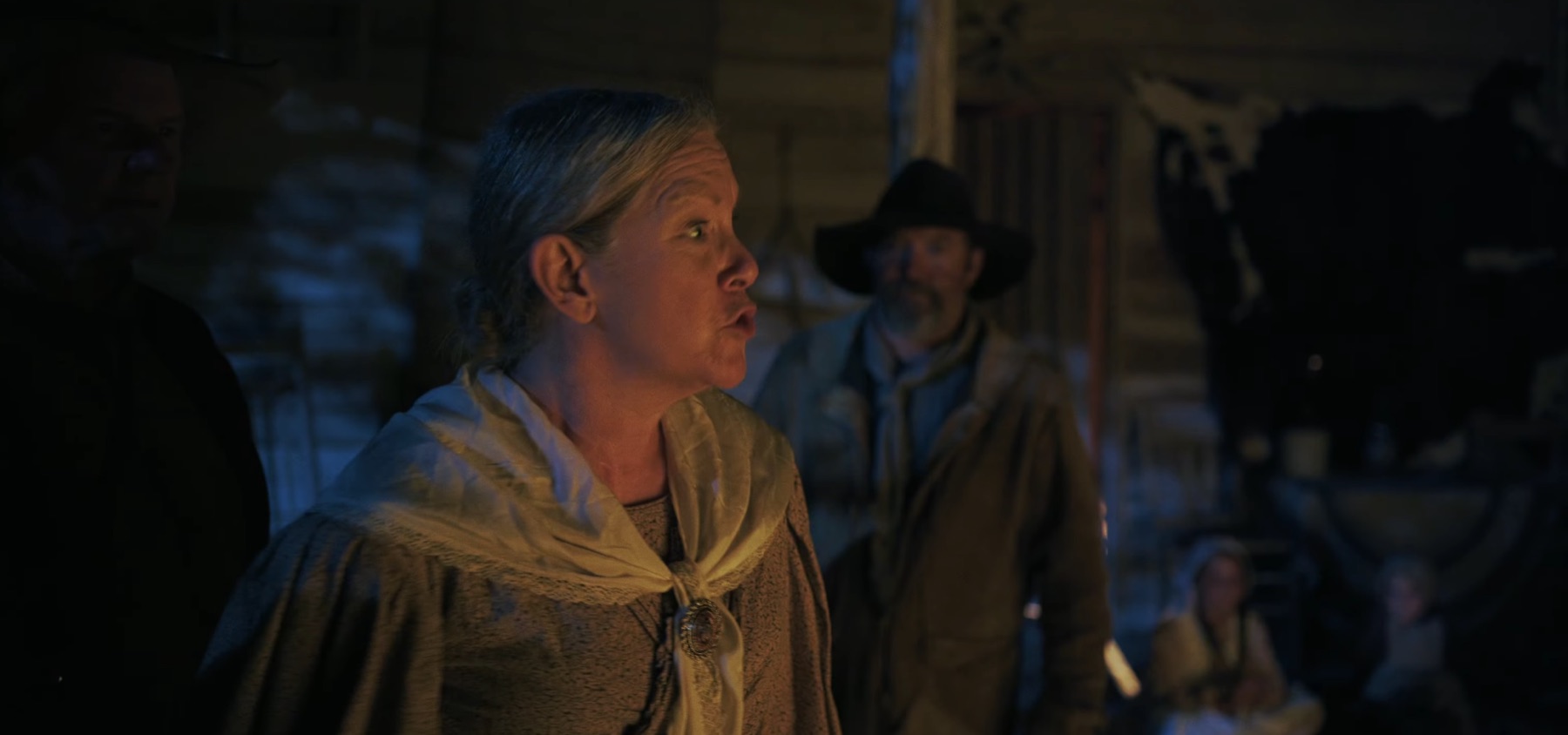
Sarah DeWitt
Di widow, mother, and colony matriarch whose steady resolve helped hold Gonzales together when di fight for Texas reached her doorstep.

John Henry Moore
A seasoned frontier leader who helped turn a scattered militia response into one of di opening stands of di Texas Revolution.